SSI Traffic Solutions: Traffic Safety Products in USA and Canada
Traffic Safety Products in USA and Canada

As parents and caregivers, ensuring the safety of our children during travel is paramount. Child Car Seats play a crucial role in protecting our little ones on the road. In 2026, the importance of selecting the right car seat and using it correctly cannot be overstated. Many families still overlook essential safety practices, leading to preventable injuries.
Selecting a suitable child car seat can be overwhelming. The market offers many options, and each comes with unique instructions. The best seat for your child depends on age, weight, and height. Proper installation is often neglected. A seat is only safe if it’s correctly positioned in the car.
We must also recognize our own mistakes. Many parents may not be aware of new recommendations or may fail to update their car seats as their children grow. Awareness and education play critical roles in ensuring safety. It’s time to reflect on our practices and commit to making informed choices for our children’s well-being.
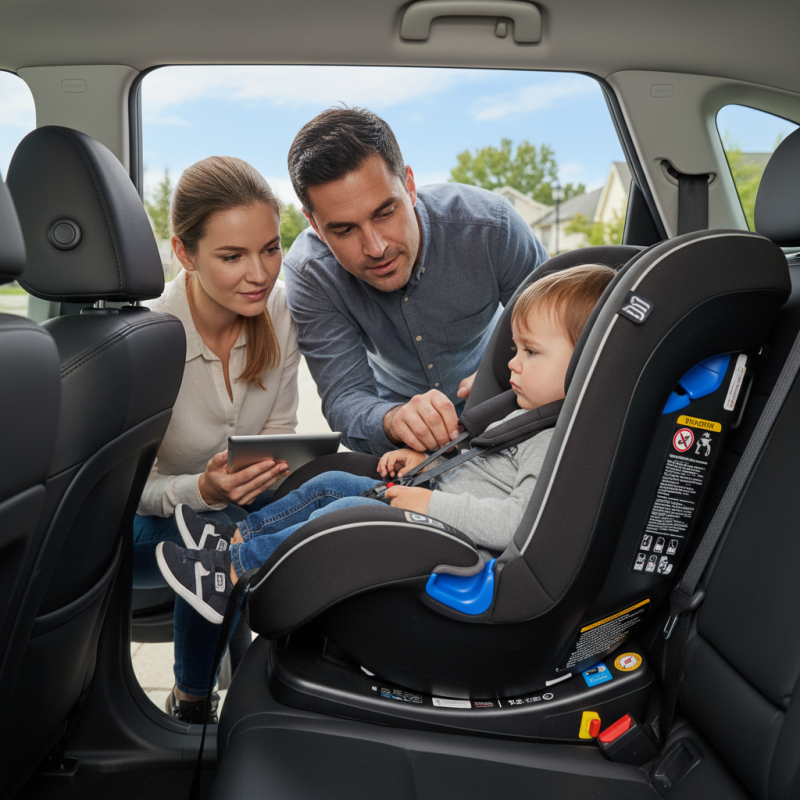
Choosing the right child car seat can be overwhelming. Each type has unique safety features that cater to specific age groups. Infant seats, for example, are designed for babies up to 1 year old. They provide the most protection by rear-facing. Convertible seats can switch from rear-facing to forward-facing. They grow with your child, lasting several years.
Tips: Always check the weight and height limits. Ensure the seat fits well in your car.
Booster seats increase the vehicle's seat height. They position the child to use the car's seat belt effectively. It’s crucial for older children who exceed the limits of a convertible seat. Not all booster seats are the same. Some incorporate back support, while others do not. It’s essential to assess which design is safest for your child.
Tips: Regularly adjust your car seat as your child grows. Don't rush to switch to the next type. Safety should always come first. Remember, an improperly used seat is not safe at all.
Proper installation of child car seats is crucial for ensuring maximum safety. According to the National Highway Traffic Safety Administration (NHTSA), approximately 46% of car seats are improperly installed. This statistic highlights the need for parents to be vigilant. Misuse can lead to serious injuries in the event of an accident.
Tips: Before installation, read the manual of your car seat carefully. Each model has unique requirements. Make sure the seat is tightly secured. It should not move more than an inch when you pull it at the base. Additionally, check if your vehicle's seatbelt or LATCH system is compatible with your car seat.
Getting installation help is often overlooked. Many parents assume they can do it alone. However, local fire stations or hospitals often provide installation assistance. In fact, a study revealed that 90% of car seats assessed by safety technicians required adjustments. This shows that seeking expert help can make a significant difference. Always double-check your work, and never hesitate to ask for guidance.
| Tip Number | Safety Tip | Recommendation |
|---|---|---|
| 1 | Use the Right Seat | Choose a car seat appropriate for your child's age, weight, and height. |
| 2 | Check the Car Seat Expiration Date | Ensure the seat is not expired or has been in a crash. |
| 3 | Proper Installation | Follow the manufacturer’s instructions and ensure the seat is securely fastened. |
| 4 | Harness the Child Correctly | Make sure the harness fits snugly with no slack. |
| 5 | Rear-Facing until at Least 2 Years | Keep your child in a rear-facing seat as long as possible. |
| 6 | Avoid Using Second-Hand Seats | Only use seats that you know the history of and meet safety standards. |
| 7 | Regularly Check the Installation | Recheck the car seat installation periodically to ensure it remains secure. |
Choosing the right car seat involves understanding age and weight guidelines. Infants should use a rear-facing car seat until they reach at least 2 years old. According to the American Academy of Pediatrics (AAP), children in this position are 75% less likely to suffer severe injuries in a crash. Many parents underestimate this need. Some transition too early, risking their children's safety.
Once children outgrow rear-facing seats, they should switch to forward-facing seats with a harness. This is advisable until they reach the weight limit set by the manufacturer. Experts agree that children remain in this type as long as possible. Data from the National Highway Traffic Safety Administration (NHTSA) indicates that proper use of car seats saves lives. However, an alarming 46% of parents misinstall car seats. This makes checking guidelines important.
A booster seat comes next, for children aged four to eight, ideally until they are 4 feet 9 inches tall. The belt must fit properly after transitioning. Yet, many children still ride without boosters, putting them at risk. Car crashes remain a leading cause of death for kids. It’s heart-wrenching to think how small mistakes can lead to serious consequences. Regular checks and updates to car seat practices can make a difference.
Many parents unknowingly make mistakes when using car seats. One common error is not reading the instruction manual carefully. Every car seat has specific guidelines for installation. Skipping these can lead to improper use. Ensuring a secure fit is crucial for your child's safety.
Another frequent mistake is thinking that a seat is safe for life. Car seats have expiration dates. After a certain period, materials can degrade. Parents often overlook this detail, thinking their seat is still effective. Regularly check the expiration date or any recalls for your seat.
In addition, many parents fail to adjust the harness system properly. A loose harness can result in serious injury during a crash. The harness should be snug, allowing only a finger's width between the child’s body and the straps. Over time, as children grow, adjustments are needed. Ensuring a proper fit can be challenging, yet it is essential for safety.
Regular maintenance of child car seats is crucial for ensuring safety. Check the seat's installation regularly. A properly installed car seat reduces the risk of injury in an accident. Each time you use the seat, double-check the harness and clips. They should fit snugly against your child's body. Loose straps can lead to serious consequences.
Pay attention to expiration dates. Many car seats have a limited lifespan. A seat that is too old can compromise safety features. If you're unsure, consult the manufacturer's guidelines. Also, inspect the seat for wear and tear. Cracks or frayed fabric can indicate it's time for a replacement.
Cleaning is also essential. Remove any debris or stains that may accumulate. A clean car seat not only looks better but also helps maintain its integrity. However, avoid harsh chemicals that can damage the materials. It's easy to overlook these details, but staying vigilant can make a big difference. Regular checks are a small effort for a significant safety benefit.