SSI Traffic Solutions: Traffic Safety Products in USA and Canada
Traffic Safety Products in USA and Canada

Choosing the right Webbing Sling is crucial for safe and efficient lifting tasks. Tom Harris, a leading expert in lifting equipment, once stated, "Selecting the correct sling can make all the difference in your operation's safety."
Webbing Slings come in various types, materials, and configurations. This variety can be overwhelming, especially for those new to this field. Understanding your specific needs is essential. Consider the weight of your load, the environment, and the type of lift involved. Each factor will play a role in determining which sling is best suited for your task.
Another aspect to reflect on is regular inspection and maintenance of your Webbing Sling. Even the best slings can become compromised over time. It's essential to check for wear and tear regularly, as neglecting this can lead to accidents. By taking the time to choose wisely and maintain properly, you enhance safety and efficiency in your operations.
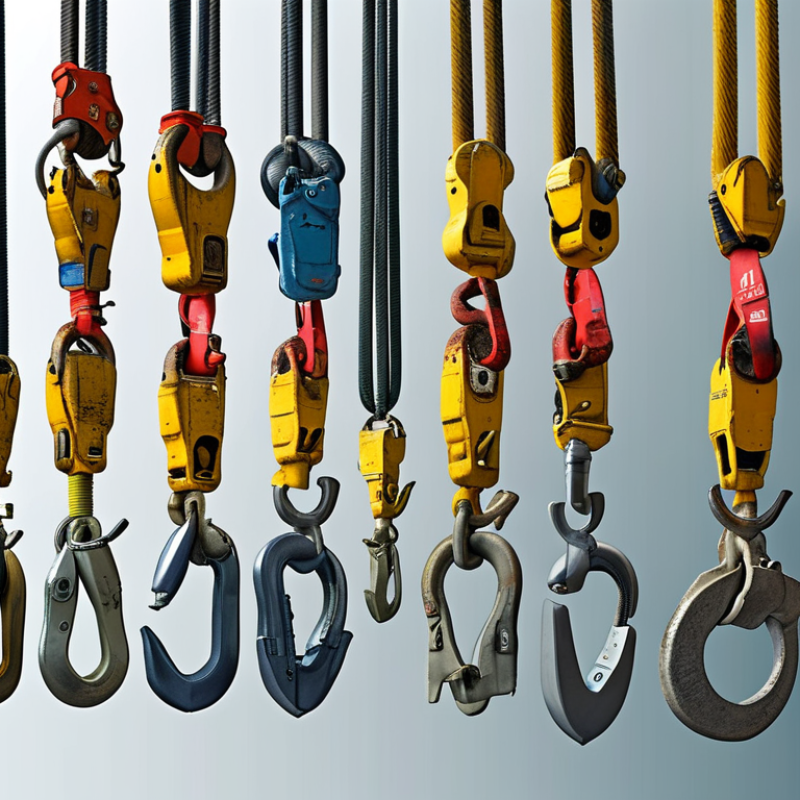
When selecting a webbing sling, understanding the types and materials is crucial. There are primarily three types: flat slings, round slings, and endless slings. Flat slings are versatile and commonly used in lifting heavy loads. They have a wide surface area, which helps distribute weight evenly. Round slings, made from a continuous loop of fiber, are often lighter and more flexible. They are great for lifting odd-shaped objects. Endless slings are similar but provide even more strength in specific lifting tasks.
The materials used significantly affect the sling’s performance and durability. Polyester slings are popular due to their resistance to abrasion and UV rays. They work well in various environments but can deteriorate under extreme temperatures. Nylon slings, on the other hand, offer excellent elasticity and are often used for heavy lifting. However, they can stretch under load, which might not be ideal in all scenarios. Reflecting on these attributes can help ensure you make an informed choice that suits your lifting needs while also being aware of potential limitations.
| Type of Webbing Sling | Material | Load Capacity (lbs) | Common Uses |
|---|---|---|---|
| Flat Slings | Polyester | 1,000 - 12,000 | Lifting heavy equipment, construction |
| Round Slings | Nylon | 1,500 - 18,000 | Rigging, lifting cylindrical objects |
| Edge Protectors | Polypropylene | Varies by application | Protection for webbing slings |
| Custom Slings | Various | Varies by specifications | Specific needs and applications |
When choosing a webbing sling, assessing load capacity is crucial. Each sling has a maximum load rating. This rating should be more than the actual load you plan to lift. For example, if you are lifting items weighing 1,000 pounds, it's wise to choose a sling with a 1,500-pound rating. This extra margin improves safety.
Safety ratings are vital for webbing slings. Different configurations, like vertical and basket hitches, affect these ratings. A vertical lift has a standard capacity, but a basket hitch can double it. It’s important to understand these variations to make informed choices. Regularly inspect slings for wear and damage. This is often overlooked. Minor frays can lead to major accidents.
Consider the environment where the sling will be used. Some materials resist moisture and chemicals better than others. Reflecting on your operating conditions can guide your selection. Trust your instincts on safety; if something feels off, reevaluate your choice. Proper training in sling safety protocols enhances overall effectiveness.
Choosing the right webbing sling is crucial for various industries. Each sector has specific requirements that must be addressed. For construction, slings are often used to lift heavy materials. According to a report by the National Institute for Occupational Safety and Health (NIOSH), improper sling selection is a leading cause of accidents. This underscores the importance of understanding the load type, weight, and environmental conditions when selecting webbing slings.
In the manufacturing sector, webbing slings are utilized for transporting goods. Data indicates that 70% of injuries result from misuse of lifting equipment. This highlights the need for thorough training and appropriate sling selection. Applications vary from delicate fabric handling to heavy machinery lifting. Recognizing these variations is key. In the automotive industry, for example, lightweight slings are preferred for quick assembly and disassembly tasks. Adjusting sling choices based on specific applications can significantly enhance safety and efficiency.
Waste management organizations also rely heavily on webbing slings. They often face unique challenges, such as handling sharp or hazardous materials. A misstep here could lead to significant injuries. Thus, employing the right webbing sling adapted for such environments isn’t just advisable; it’s essential for operational safety. Considering these factors helps in making informed decisions in sling selection.
When selecting a webbing sling, assessing sling length and configuration is crucial for optimal performance. A sling that is too short may lead to unsafe lifting angles and increased stress on the material. Conversely, an excessively long sling can result in inefficient lifting, causing unnecessary wear and tear. According to industry standards, the length of the sling should typically match the load’s height to maintain balance and safety.
Configuration plays a significant role as well. A choker configuration, for example, provides a tighter fit around the load, improving stability. On the other hand, a straight or basket configuration offers more load-bearing surface, ideal for heavier items. The Sling Manufacturers Association reports that correct configuration can enhance a sling's capacity by up to 15%. However, improper configurations can lead to accidents, highlighting the importance of understanding the specific requirements for different tasks.
It’s essential to reflect on the operational environment. External factors, like the load's weight and shape, directly influence the sling’s performance. Load stability should never be compromised, and regular inspections are necessary to ensure slings are in safe operating condition. Even minor wear can drastically affect capability. Thus, prioritizing length and configuration, alongside ongoing evaluation, empowers users to make informed decisions for safe lifting operations.
When it comes to maintaining and inspecting webbing slings, regular checks are crucial. First, always examine slings for wear, tears, or frayed edges. Each sling should be visually inspected before and after use. Check for discoloration or any signs of chemical damage. These small details can indicate a serious issue.
The environmental factors also impact sling longevity. Heat, sunlight, and moisture can degrade materials over time. Store slings in a cool, dry place, free from direct sunlight. Regularly note any changes in sling condition. Documenting these findings helps track the sling's performance over time.
Training users on sling inspection can improve safety. Workers should understand how to identify potential problems. Encourage them to ask questions about what to look for in a sling. This empowers the team while ensuring safer lifting practices. A culture of safety and awareness can make a significant difference.