SSI Traffic Solutions: Traffic Safety Products in USA and Canada
Traffic Safety Products in USA and Canada

Traffic safety cones are small, bright, and easy to overlook. Yet they perform a critical job wherever road users and work activities share limited space. They guide drivers, separate pedestrians, mark temporary hazards, and create visible boundaries around maintenance areas. A cone cannot stop an inattentive vehicle. It can, however, communicate an immediate change in road conditions.
The Federal Highway Administration reported 891 fatal crashes in work zones during 2022. Its work-zone guidance emphasizes clear channelization, consistent spacing, and strong driver visibility. The Manual on Uniform Traffic Control Devices also identifies cones as temporary traffic-control devices, not permanent protective barriers. That distinction matters. A cone redirects behavior; it does not absorb a serious vehicle impact. Traffic safety cones work best when workers place them on clean, stable surfaces and combine them with signs, lighting, barriers, or trained flaggers.
Dr. David Shinar, a recognized traffic-safety researcher, has described safety as “a human-factors problem, not merely an engineering problem.” His point fits cone use closely. Drivers must notice the color, understand the pattern, and react quickly. In real conditions, rain, glare, dust, and poor spacing weaken that message. Even a well-designed setup can fail when workers treat cones as decoration. That is an uncomfortable lesson. Reliable protection depends on placement, inspection, visibility, and human judgment. This guide examines what traffic safety cones are used for, where they help most, and where their limits become impossible to ignore.
What Are Traffic Safety Cones Used For?
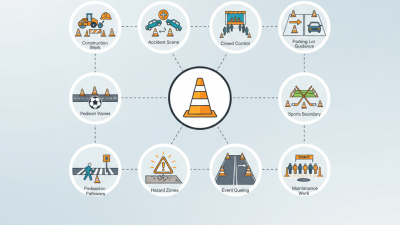
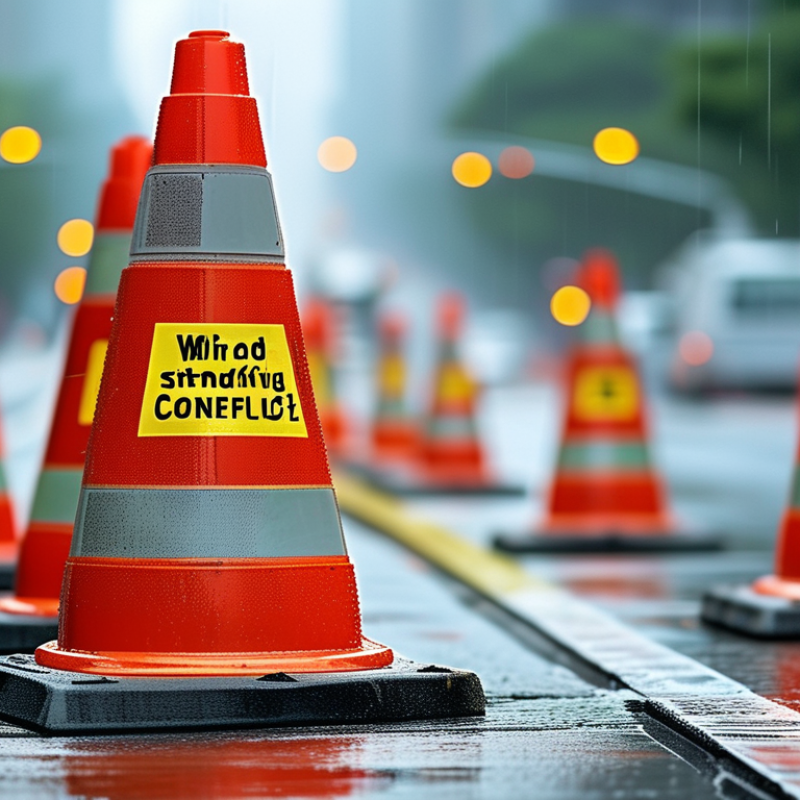
Traffic safety cones guide drivers, cyclists, and pedestrians through changing road conditions. They mark work zones, blocked lanes, parking restrictions, spills, and temporary hazards. Their bright orange color attracts attention during daylight. Reflective bands improve visibility under headlights. A cone does not physically protect workers, but it creates a clear visual boundary.
Good design balances visibility, stability, and flexibility. A wide rubber base helps resist wind and passing vehicle turbulence. Flexible plastic allows the cone to bend instead of breaking during minor contact. Many safety standards also assess height, color, reflective performance, impact recovery, and material quality. Requirements vary by location. For example, United States projects may follow MUTCD guidance, while European projects may reference EN 13422. Local road authorities still control final acceptance. I have seen cones placed too close together, making drivers confused rather than cautious. Placement requires judgment.
Tips: Inspect cones before every use. Replace faded bodies and damaged reflective bands. Keep bases clean and flat. Use suitable heights for the road speed and hazard. Add warning signs or barriers when cones alone cannot provide enough separation. Never assume a cone remains visible in heavy rain, dust, or darkness. Recheck the layout after strong wind or nearby traffic changes. Small spacing mistakes can create large safety problems.
Traffic cones guide road users, separate vehicles from work areas, mark hazards, and support temporary traffic control. Minimum height requirements vary by application: OSHA construction rules specify at least 18 inches, while the U.S. Manual on Uniform Traffic Control Devices specifies 28 inches or more for cones used on freeways and expressways, with 18 inches generally permitted elsewhere. Reflective collars or bands improve visibility in nighttime and low-light conditions.
Sources: OSHA 29 CFR 1926.200(g); Manual on Uniform Traffic Control Devices, 11th Edition, Section 6K.01.
What Are Traffic Safety Cones Used For?
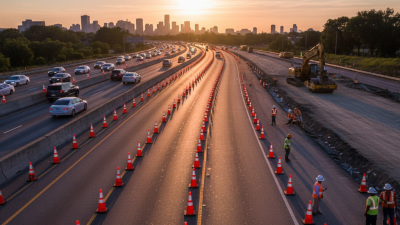
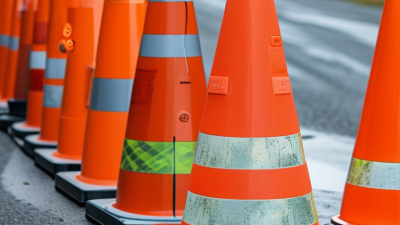
A 28-inch traffic cone creates a visible, flexible boundary around active work areas. The 11th Edition of the Manual on Uniform Traffic Control Devices identifies 28 inches as the minimum cone height for many highway applications. Retroreflective bands improve visibility when headlights strike the cone. In practice, crews use these cones to guide drivers through lane shifts, narrow passages, and temporary closures.
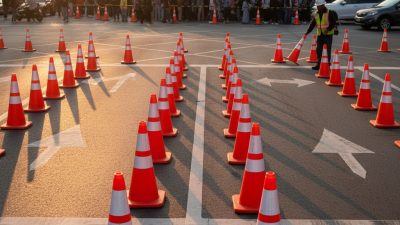
The pattern matters. Cones placed along a taper gradually move vehicles away from workers and equipment. Cones placed beside a work area maintain a clear travel path. Spacing depends on roadway speed, lane geometry, and the traffic control plan. A poorly aligned cone can confuse drivers, especially near a curve or during rain. Small errors matter.
Federal Highway Administration data recorded 891 work zone fatalities in 2022. That number shows why channelization needs more than visual decoration. Signs, arrow displays, barriers, lighting, and trained flaggers often support the cone line. A 28-inch cone is useful, but it cannot absorb a vehicle impact or correct an unsafe layout. Field inspections should check knocked-over cones, faded bands, and gaps after every shift. Some setups look adequate in daylight, yet perform poorly after dark. That uncomfortable detail deserves attention.
| Work-Zone Function | How a 28-Inch Cone Helps | Key Safety Feature | Typical Placement or Use | Important Field Consideration |
|---|---|---|---|---|
| Lane Closure | Creates a visible line that guides drivers away from a closed travel lane and toward the open lane. | High-visibility orange body with a stable base; retroreflective material is needed when the cone is used at night or in low-visibility conditions. | Placed along the edge of the closed lane and continued through the transition area. | Use an approved taper and spacing plan that matches the roadway speed, traffic volume, and local traffic-control requirements. |
| Traffic Channelization | Defines the intended vehicle path without creating a rigid barrier that could cause severe impact forces. | Flexible construction allows the cone to yield or be displaced if struck. | Arranged in a continuous line or pattern around work areas, shifting traffic gradually rather than abruptly. | Cones guide traffic but do not replace barriers where workers or road users require positive separation. |
| Work-Zone Tapers | Marks the gradual transition from the normal lane alignment to a shifted or reduced lane alignment. | Consistent cone height and spacing make the taper easier for drivers to recognize. | Used at the beginning of a lane closure, lane shift, shoulder closure, or merging movement. | Taper length and device spacing should be calculated or selected according to the governing road authority’s temporary traffic-control standard. |
| Shoulder Closure | Shows that the shoulder is unavailable and helps keep vehicles from entering the work space or roadside activity area. | Bright orange color provides daytime contrast against pavement and roadside surfaces. | Placed along the boundary between the usable travel lane and the closed shoulder. | Additional signs, lighting, or crashworthy protection may be required where traffic passes close to workers or equipment. |
| Nighttime Delineation | Maintains the visible outline of the temporary traffic path after daylight fades. | Retroreflective bands return vehicle headlight illumination toward approaching drivers. | Used along tapers, lane lines, work-area edges, and temporary shifts that remain in service after dark. | Retroreflective performance can be reduced by dirt, damage, poor alignment, or blocked visibility; inspect cones regularly. |
| Intersection and Ramp Guidance | Helps direct vehicles through temporary turns, ramp shifts, and restricted approaches. | Uniform placement gives drivers a predictable route through areas with changing geometry. | Used near temporary turn lanes, ramp entrances, detours, and intersection work zones. | Cones should not obscure regulatory, warning, or guide signs, and sight-distance requirements must remain adequate. |
| Pedestrian- and Cyclist-Area Separation | Visually identifies the edge of a temporary route and discourages vehicles from entering the path. | High-visibility color improves recognition, especially where pavement markings are temporary or removed. | Used as supplemental delineation beside temporary walkways or bicycle routes. | Cones alone are not a substitute for a continuous, accessible pedestrian channel or a protective barrier where one is required. |
| Incident and Emergency Control | Can be deployed quickly to close a lane, isolate a hazard, or organize traffic around a crash or roadside emergency. | Lightweight design supports rapid placement and removal by trained personnel. | Used for short-duration traffic control until a longer-term traffic-control setup is installed. | Personnel should place and retrieve cones from a position protected from live traffic whenever possible. |
| Why 28 Inches Matters | Provides a visible, standardized-sized channelizing device for many roadway work-zone applications. | In United States temporary traffic control, traffic cones are commonly specified at a minimum height of 28 inches under national guidance, subject to the adopted edition and local requirements. | Suitable for many lane, shoulder, taper, and temporary path delineation tasks when the traffic-control plan permits their use. | Higher devices, tubular markers, drums, vertical panels, or barriers may be required for specific speeds, locations, exposure conditions, or jurisdictional standards. |
| Inspection and Maintenance | Keeps the channel visible and correctly aligned throughout the work period. | Sound bases, clean reflective bands, intact bodies, and legible appearance support reliable recognition. | Inspect before deployment and after impacts, severe weather, equipment movement, or changes in traffic control. | Replace cracked, heavily deformed, dirty, faded, or missing-reflective cones rather than returning them to service. |
Traffic safety cones are simple visual tools for guiding drivers, pedestrians, and workers around temporary hazards. They mark lane changes, roadside repairs, spills, blocked paths, and equipment entrances. During daylight, orange or lime-yellow surfaces create strong contrast against asphalt and concrete. That contrast helps people notice a cone before reaching the hazard. Yet color alone cannot provide enough warning.
High-visibility colors are most useful when natural light is available. Retroreflective bands work differently. When headlights strike them, the bands send light back toward the driver. This creates a bright outline against a dark road. The effect is especially valuable on bends, narrow streets, and poorly lit work areas. A cone may be visible in daylight but nearly disappear at night without effective bands. They do not produce light themselves.
Night visibility still has limits. Rain, dust, worn surfaces, and glare can weaken the reflective effect. Some cones look bright in storage but fade after long exposure to sunlight. Field inspections often reveal cracked bases, loose bands, or cones leaning into traffic. Staff should check these details before placement. Cones must stand where drivers can see them early, with spacing that follows the approved traffic-control plan. Keep the bands clean. Replace damaged units.
No cone works alone.
Traffic safety cones create visible boundaries around temporary hazards. They guide drivers away from road crews, damaged vehicles, open lanes, and emergency scenes. The Federal Highway Administration reported 891 work-zone fatalities in 2022. That figure shows why a simple orange cone needs careful placement.
For workers, cones define a buffer between moving traffic and active work. They also support tapers, lane shifts, and short-term closures. The 2023 Manual on Uniform Traffic Control Devices recommends proper cone height, spacing, and retroreflective materials for visibility. A cone placed too far apart can invite drivers into the work area. A cone placed too late may do almost nothing.
Pedestrians need a clear, predictable route around sidewalks, trenches, and parked response vehicles. Cones should not force people into traffic, blocked driveways, or uneven ground. Emergency responders use them to mark crash scenes, hose lines, equipment, and safe approach paths. The National Highway Traffic Safety Administration’s 2022 traffic safety data reinforces the risk around roadside incidents.
Visibility changes everything.
Daylight is not enough. Rain, glare, dust, and headlights can reduce contrast quickly. Field crews often add warning signs, lighting, or barriers when cones cannot provide enough protection. That judgment is not always perfect, and traffic conditions can change within minutes. Regular checks matter, especially after a vehicle passes close to the channel.
Traffic safety cones guide drivers, pedestrians, and workers around temporary hazards. Under the Manual on Uniform Traffic Control Devices, cones function as channelizing devices on public roads. Their placement should create a clear path, not merely mark a work area. Spacing depends on roadway speed, traffic volume, taper length, and site conditions. Faster traffic usually requires more visible and carefully arranged guidance.
The Occupational Safety and Health Administration requires workplace traffic-control devices to remain visible while work is underway. Cones should have a strong orange color and reflective features when used during low light or nighttime conditions. They must stand upright, remain stable, and avoid blocking signs, sightlines, or accessible walkways. Damaged cones need prompt replacement. Small details matter.
A cone can look correctly placed at dawn, then become misleading after rain, dust, or shifting traffic. Workers should inspect the layout throughout the operation, not only before opening the work zone. Local agencies may add requirements beyond federal guidance. Reviewing the approved traffic-control plan is essential. Field judgment still matters, and even experienced crews can miss a cone hidden behind a vehicle.