SSI Traffic Solutions: Traffic Safety Products in USA and Canada
Traffic Safety Products in USA and Canada

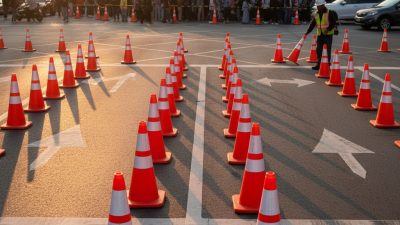
Construction cones play a vital role in road safety and traffic management. These bright, visible markers help guide vehicles and pedestrians through work zones. They create a clear division between safe and hazardous areas, ensuring everyone’s safety.
Without construction cones, chaos can ensue. Drivers might not recognize active construction zones. They need direction and clear boundaries. Construction cones provide simple yet effective guidance. Their bright orange color grabs attention, especially in dim lighting. However, sometimes these cones are misused or misplaced, leading to hazardous situations.
Improper placement of construction cones can confuse drivers. Some may ignore them altogether if they are not aligned correctly. This raises questions about the effectiveness of traffic management. It's crucial to consider how better training for workers can improve safety. Reflecting on the role of construction cones can lead to better practices in traffic management.

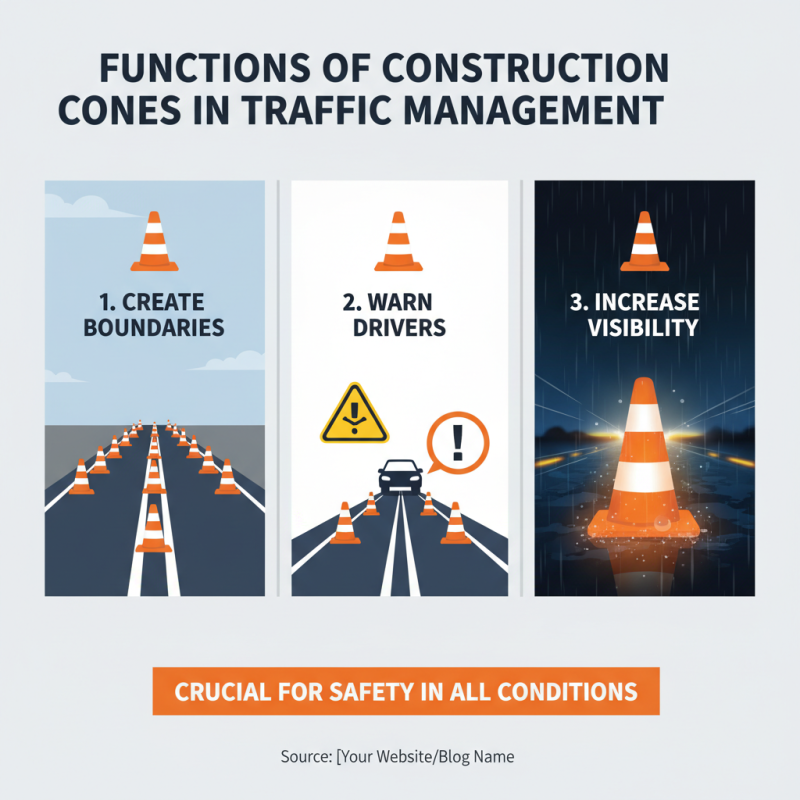
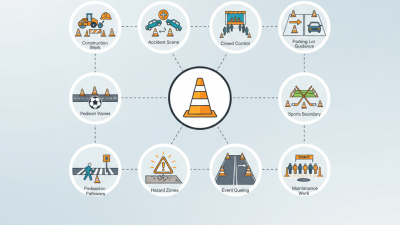
Construction cones serve a vital role in traffic management. They create clear boundaries on the road. These cones are often seen at construction sites or accident zones. Their bright color draws attention, warning drivers of potential hazards ahead. This visibility is crucial, especially in poor weather or low light conditions.
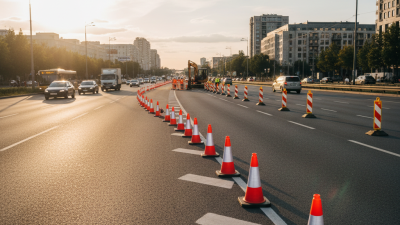
Their placement directs traffic flow effectively. Cones can indicate detours or narrow lanes. They help keep workers safe and organized. Drivers need to stay alert, as cones can shift or be moved unintentionally. This can lead to confusion and risk. A cone out of place may create an unsafe situation, so proper management is essential.
In addition to safety, cones help traffic efficiency. When drivers see cones, they often adjust their speed. This can reduce accidents. However, over-reliance on cones may lead some drivers to ignore their function. They might prioritize speed over caution. Regular checks and maintenance of cones are necessary. They must be regularly replaced or repaired to ensure they remain effective.
Construction cones play a crucial role in road safety. Their visibility is essential for alerting drivers to hazards. A striking report by the National Highway Traffic Safety Administration states that over 35% of work zone accidents result from driver inattention. This is why high-visibility cones are vital. Their bright colors and reflective surfaces help in creating awareness, especially during night time or adverse weather conditions.
Moreover, the placement of these cones significantly impacts traffic flow. In a recent study, it was found that properly placed cones can reduce accidents by up to 30%. However, many construction sites still fail to comply with standard placement guidelines. This inconsistency can create confusion for drivers. Cones that are not adequately spaced lead to uncertainty, increasing the likelihood of errors. The details in traffic management might seem minor, but they have profound consequences on safety.
Thoughtful consideration of visibility and awareness can greatly influence road safety. Construction cones should not be just seen as temporary barriers. They must be recognized as vital tools in preventing accidents and injuries. The impact of their presence is clear, yet the implementation of best practices often lags behind. This calls for a critical reevaluation of current traffic management strategies to ensure that visibility remains prioritized.
| Dimension | Data |
|---|---|
| Visibility Distance | Up to 500 feet |
| Color Standard | Fluorescent Orange |
| Height of Cones | 28 inches |
| Average Cost per Cone | $10 - $15 |
| Reflective Tape Usage | Horizontal and Vertical Stripes |
| Impact Resistance Rating | High (impact tested) |
| Typical Usage Locations | Construction Sites, Road Closures, Accident Scenes |
Construction cones, also known as traffic cones, are vital in managing road safety. They come in various shapes, sizes, and colors. Each type serves a unique purpose in construction zones or event management. For instance, orange cones are commonly used to mark hazards. Their bright color ensures visibility, especially at night. Yet, some people ignore these warnings.
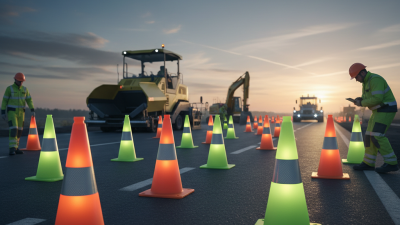
Then, we have reflective cones. These are essential for nighttime work areas. The reflective material enhances visibility, but not everyone sees them. There's a debate about their placement and brightness. In some cases, cones may be placed too far from the hazard, creating confusion.
Lastly, there are delineator cones. They guide traffic away from restricted areas. However, their effectiveness can be diminished if they are not correctly spaced or if drivers do not pay attention. Regular assessments of cone placement could improve safety. Despite their importance, some workers may overlook proper usage, making it essential to reinforce training.
Construction cones play a crucial role in maintaining road safety. They delineate construction zones clearly. This simple yet effective tool reduces confusion and helps manage traffic flow. Drivers are more aware of their surroundings when cones are present. They signal caution, prompting drivers to slow down and stay alert. In busy areas, these bright cones become essential.
The impact of cones on accident prevention is significant. Studies indicate a reduction in traffic incidents near construction sites when cones are deployed. They serve as a visual reminder for drivers. Without them, drivers might inadvertently wander into hazardous areas. It’s easy to overlook the importance of these items. Some may think they’re just annoying obstacles. However, the reality is quite different—they save lives.
Yet, not all cones are created equal. Their placement requires careful planning. A poorly positioned cone can lead to accidents instead of preventing them. Regular assessments of their visibility and effectiveness are necessary. There should be a balance between road efficiency and safety. Constant reflection is key for keeping roadways safe.
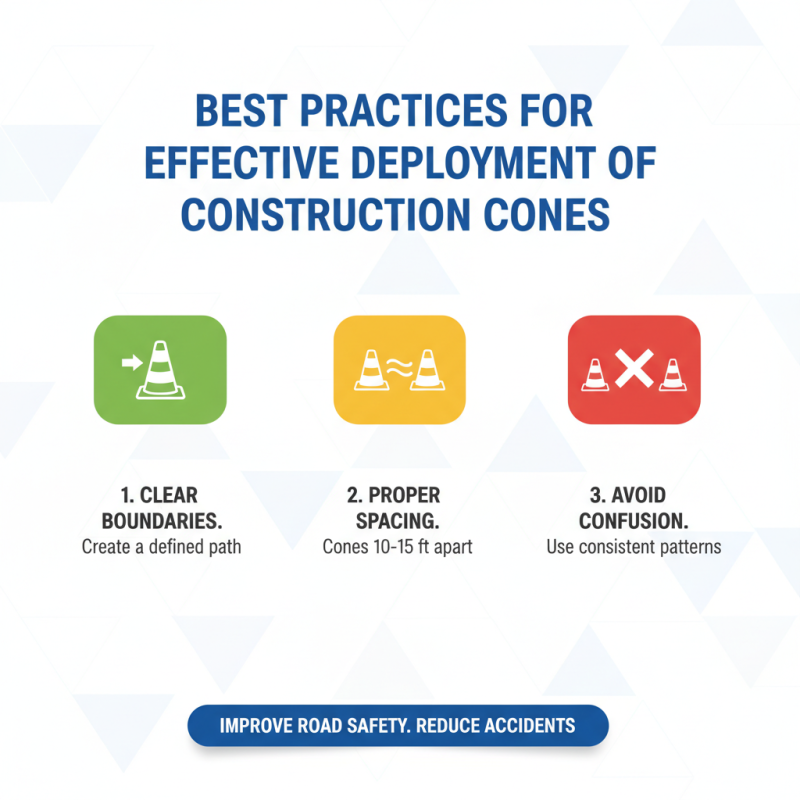
Construction cones play a crucial role in road safety. Proper deployment can significantly reduce accidents. They create clear boundaries, alerting drivers to potential hazards ahead. However, not all deployments are effective. Often, cones are placed too far apart or in unclear patterns. This can lead to confusion and dangerous situations for motorists.
To achieve effective deployment, visibility is key. Cones should be positioned in well-lit areas, especially at night. Regular maintenance is essential; damaged cones should be replaced immediately. Some areas may require more cones than others, depending on traffic volume and road conditions. Yet, even the best practices can falter. In heavy rain, cones may be washed away, or visibility can diminish.
In certain scenarios, road users may ignore cones altogether. This could be due to a lack of understanding about their significance. Ensuring that the reasons for deploying cones are communicated clearly can enhance compliance. Emphasize the potential dangers that construction zones present. Utilizing them effectively requires ongoing assessment and adaptation to changing environments.