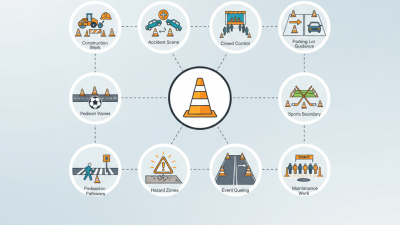
SSI Traffic Solutions: Traffic Safety Products in USA and Canada
Traffic Safety Products in USA and Canada

Parking cones are essential tools for effective traffic management. They help guide drivers, ensuring safety and organization in various situations. When used properly, parking cones can create boundaries and direct flow. They are particularly useful in crowded areas or during events.
However, not everyone uses parking cones effectively. Some may underestimate their importance, leading to confusion on the roads. Poor placement can create hazards rather than solving problems. It's crucial to consider visibility and placement when deploying parking cones.
Moreover, temporary solutions can become permanent mistakes. As traffic patterns change, the original purpose may be lost. This can result in a need for reflection on proper traffic management strategies. Proper training on the use of parking cones is beneficial for all involved.

Traffic cones play a vital role in traffic management. They provide clear guidance and improve safety in various situations. According to a study by the American Traffic Safety Services Association, effective use of traffic cones can reduce accidents by 30% in construction zones. Their bright color and reflective properties make them visible, even in low-light conditions. Yet, improper placement often leads to confusion among drivers.
The arrangement of traffic cones can significantly influence driver behavior. Research shows that organized patterns enhance compliance. Cluttered or poorly positioned cones can create distractions and increase risk. A survey revealed that 20% of drivers feel unsure when navigating through mismanaged cone setups. Authorities must regularly assess these setups and make improvements where needed.
Understanding the role of traffic cones goes beyond mere visibility. Effective communication with motorists relies on their proper use. Data indicates that clear messaging through cone configurations helps streamline traffic flow. Nevertheless, many areas still struggle with outdated practices. Continuous training and feedback are essential for optimizing cone usage in traffic management.
Parking cones are essential tools for traffic management. Understanding different types can enhance their effectiveness in various scenarios.
There are several types of parking cones. Safety cones are brightly colored and often used for roadwork. They alert drivers to hazards ahead. Traffic cones are slightly taller. They help guide vehicles in busy areas. Warning cones are smaller and can be placed in parking lots to reserve space. Each cone serves a unique purpose.
Tips: Choose the right cone color. Bright colors are most noticeable. Use cones in pairs or groups to create better-defined lanes. Adjust your cone placement based on traffic flow.
In crowded areas, cones can become obstacles. Sometimes cars may ignore them. This can lead to confusion. A well-placed cone can make a difference.
The key is to evaluate their impact regularly. Reflect on their placement after each use. Did they guide traffic? Were they effective? Understanding these nuances leads to better management.
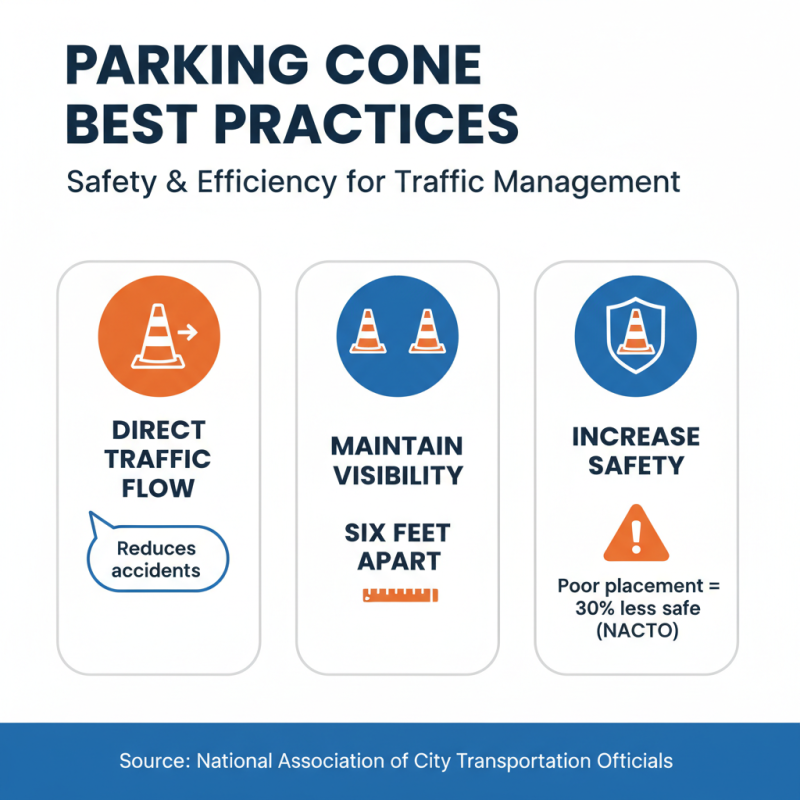
Effective placement of parking cones is crucial for traffic management. According to the National Association of City Transportation Officials, poorly placed cones can reduce road safety by up to 30%. Using cones properly helps direct traffic flow and minimizes accidents. For instance, positioning them at least six feet apart ensures clearer visibility.
Tips: Always use cones in high-traffic areas. This ensures they catch drivers' attention. Avoid cluttering the space. Too many cones can confuse drivers. Make sure to place them at regular intervals. This aids in traffic guidance and provides a sense of structure.
Remember, the color of the cones matters. Bright orange cones are highly visible in various weather conditions. A study revealed that brightly colored cones increase driver response time by almost 15%. Reflective tape can also enhance visibility during nighttime. Yet, mishandled cones can lead to hazards. Inspect them regularly for damage. A damaged cone could fail to provide adequate warning.
Inconsistent placement can also be a major flaw. Randomly scattered cones may lead to uncertainty among drivers. Plan your layout ahead. Use a grid system for efficient placement. The goal is a reliable and safe environment for everyone on the road.
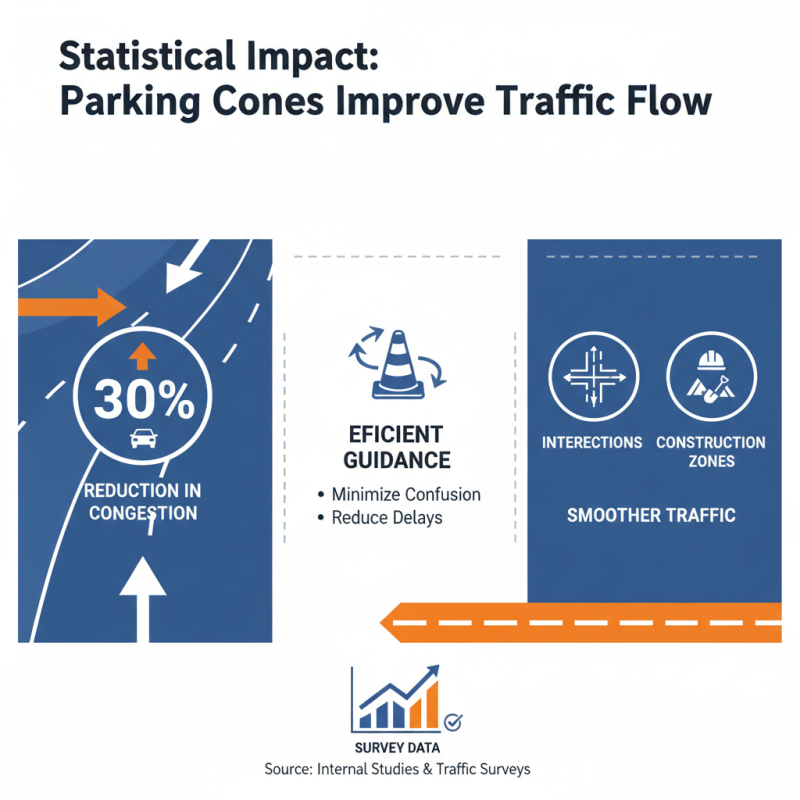
Using parking cones for traffic management can significantly improve the flow of vehicles. Statistical evidence suggests that areas utilizing cones see a noticeable reduction in congestion. In busy environments, cones guide drivers efficiently, minimizing confusion and delays. Surveys show that when cones are placed strategically, they help direct traffic smoothly through intersections and around construction zones.
Here are some tips to maximize the effectiveness of parking cones. First, consider visibility. Use bright colors during the day, and ensure cones are reflective at night. Clear visibility makes it easier for drivers to spot them. Second, position cones to create defined lanes or pathways. This organization helps avoid bottlenecks.
However, it's important to reflect on potential flaws. Overuse of cones in some areas can lead to frustration. Drivers might perceive them as obstacles rather than guidance. Additionally, not all drivers will comply with cone arrangements. Observations show varying levels of adherence, which can affect overall traffic flow. Adjusting cone placement based on real-time outcomes could lead to better results.
In urban planning, traffic cones play a crucial role in ensuring safety and order on the roads. According to a study by the Federal Highway Administration, proper use of traffic cones can reduce accidents by up to 20%. However, many cities still struggle with standardizing their usage, leading to confusion and inefficiency. The incorrect placement of cones often causes traffic delays and can increase frustration among drivers.
Regulatory standards recommend that cones should be at least 28 inches tall to improve visibility. Bright colors like orange or neon are preferred for daytime usage. The National Cooperative Highway Research Program suggests spacing them no more than 10 feet apart in high-traffic areas. Yet, many urban setups do not follow these guidelines. One report indicated that more than 30% of surveyed cities had inadequate cone visibility, risking driver safety.
Moreover, while cones are meant to create safe zones, they can also lead to unintended blockages. Drivers sometimes misinterpret cone placements. This highlights a need for clearer guidelines and more effective training for workers setting up cones. Cities must create comprehensive traffic management plans that adhere to best practices. The goal is not just traffic control but to enhance overall safety and efficiency in urban environments.