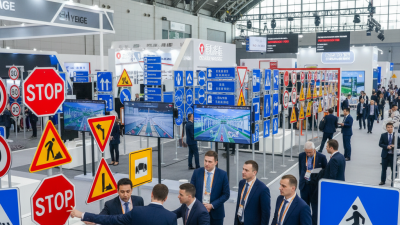
SSI Traffic Solutions: Traffic Safety Products in USA and Canada
Traffic Safety Products in USA and Canada

Traffic control signs play a vital role in ensuring safety on our roads. They guide drivers and pedestrians, informing them of hazards ahead. Without these signs, confusion and accidents can quickly occur. For instance, imagine a busy intersection without stop signs. Drivers might hesitate, leading to potential crashes.
These signs are designed based on extensive research and expert input. They communicate essential information, such as speed limits and pedestrian zones. Studies show that adherence to traffic control signs significantly reduces road accidents. Yet, not all drivers respect these signs, creating an environment filled with risks.
As we navigate our roads, we must reflect on our behavior towards these signs. Are we always attentive? Do we understand their importance? In this fast-paced world, taking a moment to appreciate traffic control signs can save lives. Their presence is a reassuring reminder of our shared responsibility for road safety.
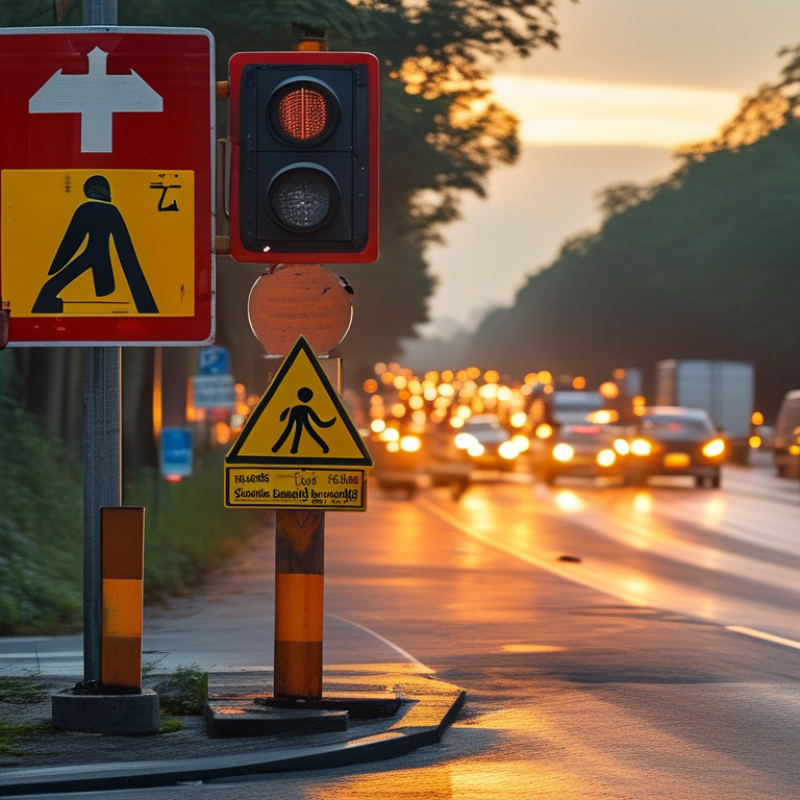
Traffic control signs play a crucial role in regulating traffic flow and ensuring road safety. They guide drivers, cyclists, and pedestrians, helping to prevent accidents. Each sign carries significant meaning. For example, a stop sign indicates a complete halt, while a yield sign suggests caution and giving way. Understanding these signs is vital for everyone on the road.
In busy urban areas, the presence of clear traffic signs can significantly reduce confusion. Drivers can anticipate actions required at intersections. Without signs, traffic can become chaotic, leading to frustration and potential danger. Each sign acts as a silent yet powerful communicator. They help maintain order, especially during peak hours.
When driving, pay attention to your surroundings. Look for signs that may not be as visible as they should be. Sometimes, branches or dirt can obscure them. Additionally, not all drivers follow the signs carefully. Be prepared for unexpected actions from others on the road. Remain vigilant and practice defensive driving. This awareness could make the difference in avoiding an accident.
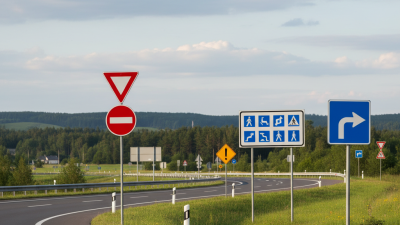
Traffic control signs play a crucial role in ensuring road safety. They guide drivers, pedestrians, and cyclists, preventing accidents. There are several types of traffic control signs: regulatory, warning, and informational. Each type serves a distinct function.
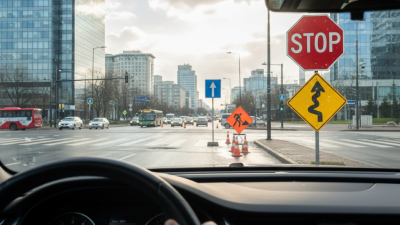
Regulatory signs enforce legal requirements. For instance, stop signs mandate a complete halt. Speed limit signs inform drivers of the maximum allowed speed. Ignoring these signs can lead to serious consequences.
Warning signs alert road users to potential hazards. For example, a curve warning sign signals an upcoming bend. Such signs help prepare drivers for sudden changes in road conditions. Informational signs provide useful details, like directions and distance to upcoming locations. Signs indicating roadwork notify drivers of temporary changes.
Despite their importance, many individuals overlook traffic signs. Some drivers may feel overly confident, believing they know the road well. This disregard can lead to accidents. Understanding the significance of each sign is vital for everyone sharing the road. Awareness and adherence can enhance safety for all road users.
Traffic signs play a crucial role in shaping driver behavior. They provide essential information about road conditions, speed limits, and potential hazards. For instance, a stop sign clearly indicates where drivers must halt. This simple instruction can prevent collisions and save lives. When drivers heed these signs, the chances of accidents decrease significantly.
The effectiveness of traffic signs extends beyond mere compliance. Studies show that consistent signage leads to better predictability on the roads. When drivers recognize and respect the signals, they adjust their behavior accordingly. Consider a yield sign at an intersection. It prompts caution and awareness from approaching vehicles. This proactive response promotes smoother traffic flow and fewer incidents.
However, not all drivers respond as expected. Distracted driving poses a significant challenge. Inattentiveness can lead to overlooking vital signs. In such cases, the potential for accidents rises. A reflective approach is necessary. Improving awareness campaigns and enhancing sign visibility could help mitigate these issues. Ultimately, it’s about fostering a culture of safety on our roads.
Traffic control signage is not merely a convenience; it’s a legal necessity. According to the Manual on Uniform Traffic Control Devices (MUTCD), each state is required to adhere to specific guidelines regarding traffic signs. These guidelines ensure that all signs are visible, reflect standardized color codes, and maintain consistency across jurisdictions. This uniformity helps drivers interpret signs quickly and accurately, reducing confusion on the road. Inconsistencies can lead to dangerous situations, as seen in studies where nearly 40% of traffic incidents are attributed to misunderstandings of signs.
Moreover, the National Highway Traffic Safety Administration (NHTSA) reports that well-placed and maintained traffic signs can reduce accidents by 30%. Compliance with these legal requirements not only promotes public safety but also minimizes the liability for municipalities. Yet, many local governments face challenges in maintaining these signs. Insufficient funding can lead to outdated or obscured signage. This raises an essential question: How can we improve compliance while ensuring public safety? It’s a pressing issue that calls for innovative solutions and community engagement.
The implications of legal requirements for traffic control signs extend beyond mere compliance. They encompass a broader commitment to public welfare. Inadequate signage can lead to catastrophic outcomes. Thus, continual evaluation of existing sign systems is essential. Road authorities must reflect on current practices and seek immediate solutions to enhance overall safety for all road users.
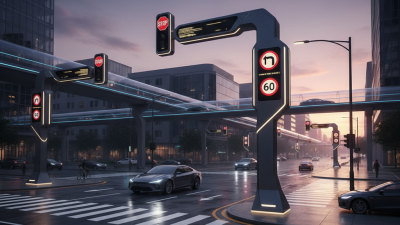
Traffic control signs play a crucial role in road safety, but their implementation faces challenges. According to the Federal Highway Administration, nearly 58% of all traffic fatalities involve a failure to obey traffic signs. This stark statistic highlights the need for continuous improvements in sign visibility and awareness. Many signs are obscured by foliage or wear over time, reducing their effectiveness. Innovations such as smart traffic signage and reflective materials stand out as promising solutions. These advancements can make signs more visible at night and during inclement weather.
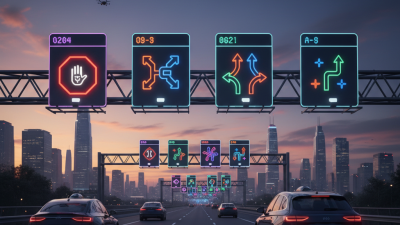
In urban areas, sign placement also poses challenges. Distracted driving is a growing concern, with studies indicating that digital distractions contribute to over 390,000 injuries each year in the U.S. Traditional signs may not capture drivers' attention effectively amid a distraction-heavy environment. Emerging technologies, like augmented reality, can enhance drivers' experiences and reinforce the importance of following road signs.
To improve road safety, consider these suggestions: Avoid distractions while driving. Always scan the road for signs. Integrate technology into daily commutes to stay informed. The balance of innovation and practical adjustments is vital in traffic control sign implementation. The safety of road users depends on both visible signs and the awareness of drivers.