SSI Traffic Solutions: Traffic Safety Products in USA and Canada
Traffic Safety Products in USA and Canada

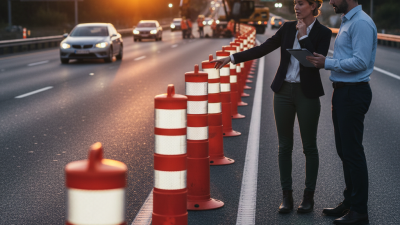
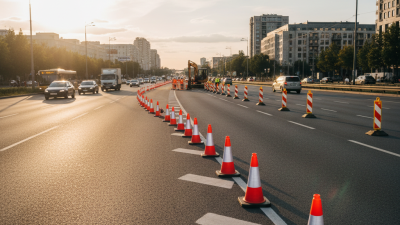
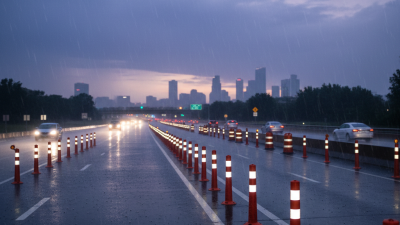
Road safety is a pressing concern for communities everywhere. One effective solution is the installation of a delineator post with base. These posts serve as visual guides for drivers, especially in high-traffic areas. They help in delineating lanes and enhancing visibility during poor weather conditions.
Installing a delineator post with base is a straightforward process. However, it requires careful planning and execution. Choosing the right location is crucial. The post must be visible while ensuring it does not obstruct traffic flow. Accurate placement can make a significant difference.
Potential challenges may arise during installation. Uneven ground or extreme weather can affect the stability of the post. It's important to reflect on these factors before proceeding. A successful installation not only improves road safety but also promotes awareness within the community. Investing time in this task can lead to a safer driving environment for everyone.
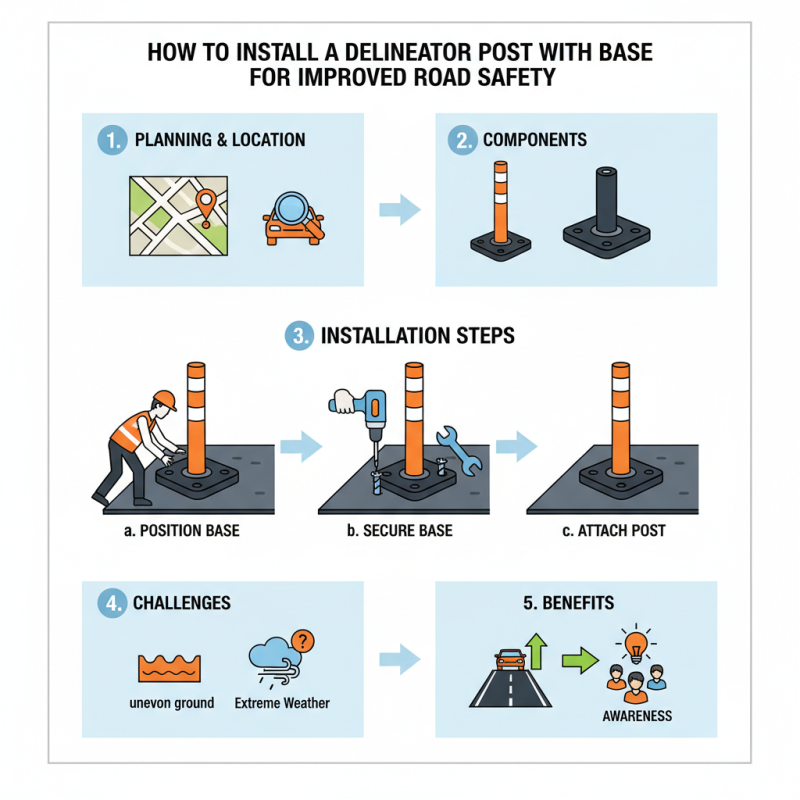
Delineator posts play a critical role in enhancing road safety. These vertical markers are designed to guide drivers and improve visibility, particularly in areas where road alignment is unclear. According to a report by the National Highway Traffic Safety Administration (NHTSA), effective use of delineators can reduce accidents by up to 30%. This statistic highlights their significance in preventing collisions and improving overall road infrastructure.
Installing delineator posts properly is essential for maximizing their benefits. For optimal effectiveness, ensure the posts are clearly visible. Bright colors and reflective materials can enhance visibility during both day and night. Remember, even the best posts won't help if they are not installed at the correct height. The recommended height is typically between 36 to 42 inches, allowing drivers to see them clearly from a distance.
Tips: Regularly inspect the delineator posts for damage. Replace any that are broken or faded. Maintenance is vital for ensuring they continue to perform effectively. Also, consider the spacing of the posts. Too far apart, and drivers may not benefit from their guidance. Too close, and it may create confusion. Striking the right balance is critical.
When choosing a delineator post, consider the specific needs of your area. Different environments require different types. For urban settings, brightly colored plastic posts offer visibility. These posts work well to direct traffic and enhance safety. In rural areas, reflective delineator posts can help. They improve visibility at night and during poor weather conditions.
Think about the installation as well. Some posts come with bases for added stability. If you live in a windy area, this could be crucial. A sturdy base stops the post from tipping over. However, be mindful of the surface where you'll place it. Asphalt or concrete may need special tools. Installation could go wrong if you’re not prepared.
Also, reflect on potential challenges. You might pick a good post, but placement matters too. A well-placed post can prevent accidents, while a poorly placed one might obscure views. It takes careful planning to ensure maximum safety. Understanding your surroundings is key. Be aware of how traffic flows and where accidents frequently occur.
| Type of Delineator Post | Material | Height (inches) | Visibility (day/night) | Base Type |
|---|---|---|---|---|
| Flexible Post | Plastic | 36 | High | Weighted Base |
| Rigid Post | Metal | 48 | Very High | Bolt-Down Base |
| Reflective Post | Plastic | 42 | Moderate | Cement Base |
| Traffic Cone Post | Plastic | 30 | Low | Cone Base |
When preparing to install a delineator post with a base, gathering the right tools is crucial. You will need basic tools such as a shovel, hammer, and level. Also, having a measuring tape can help with precise placement. Make sure to check the effectiveness of tools before starting. It’s frustrating to find out that a shovel is broken midway through installation.
Materials are equally important. Choose a durable delineator post and a strong base. You may need bolts or concrete for stability. Make sure you account for weather conditions. If it rains, the soil may be softer, affecting your installation's accuracy. It's often a good idea to review your choices, especially if the base isn't solid enough.
Consider safety equipment as well. Wearing gloves can protect your hands from rough materials. Safety glasses might prevent injury from flying debris. Even basic precautions can make a significant difference. Reflecting on your setup process can reveal areas for improvement. Did you rush any steps? Ensure each detail is addressed for effective installation.
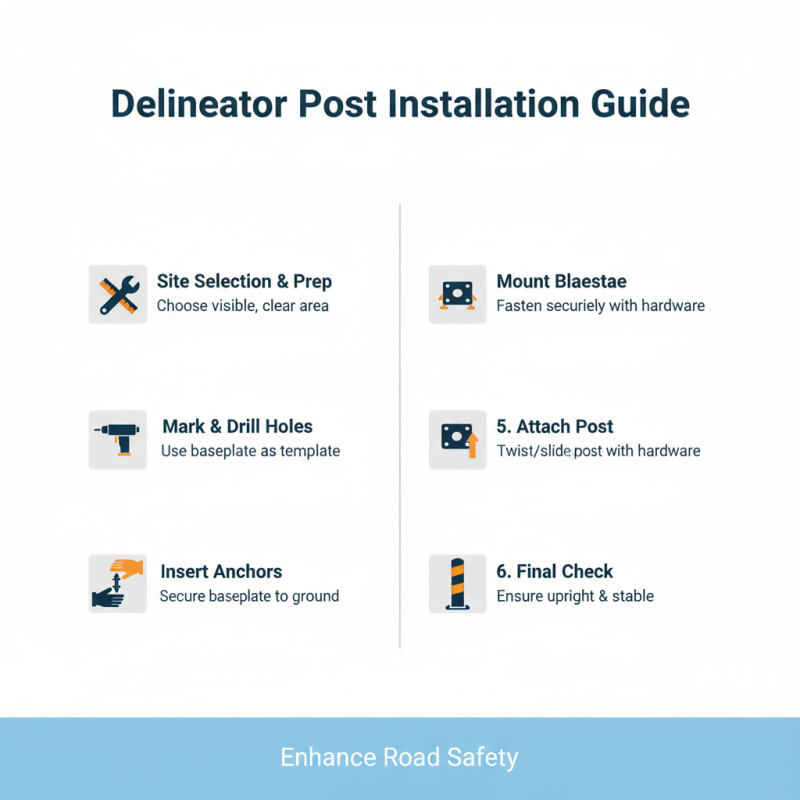
Installing a delineator post with a base can enhance road safety significantly. Here’s a simple step-by-step guide for effective installation.
Begin by selecting a suitable location. Ensure the area is free from obstacles. Measure the distance required between posts. This spacing is crucial for visibility and effectiveness. Next, mark the spots for digging. The holes should be deep enough to provide stability, ideally around two feet.
Tips: Utilize a post hole digger for better precision. This tool helps create neat holes that fit the base perfectly. After digging, place the base into the hole. Use a level to ensure it’s upright. This step is often overlooked, but it’s important for long-term durability.
Next, secure the post to the base. Tighten the screws firmly to avoid wobbling. Sometimes, the post may not align perfectly. Take time to readjust it before finalizing the tightening.
Tips: Check weather conditions before starting. Windy or rainy days can complicate the process. Also, consider surrounding traffic; a slow installation can be risky. Take breaks if needed. Remember, safety comes first, even in minor installations.
Regular maintenance and inspection of delineator posts are crucial for road safety. A report from the National Cooperative Highway Research Program highlights that well-maintained posts can reduce accidents by up to 30%. However, many municipalities overlook the importance of periodic checks. A simple visual inspection can reveal whether the posts are damaged, faded, or knocked down. Such observations can help prevent potential hazards.
According to the American Traffic Safety Services Association, nearly 40% of roadway delineators are found to be ineffective due to lack of maintenance. This statistic is alarming. Many posts may not be replaced or repaired in a timely manner. In some areas, fallen posts remain on the ground for weeks. This leads to confusion for drivers and increases risks.
Additionally, weather can affect post visibility. Sunlight and rain can reduce the reflectiveness of posts. Maintaining their brightness is vital. Some jurisdictions report spending thousands on replacements that could have been avoided with regular upkeep. Community education about the importance of these inspections is lacking and needs addressing. Without a culture of maintenance, the effectiveness of delineator posts diminishes significantly.