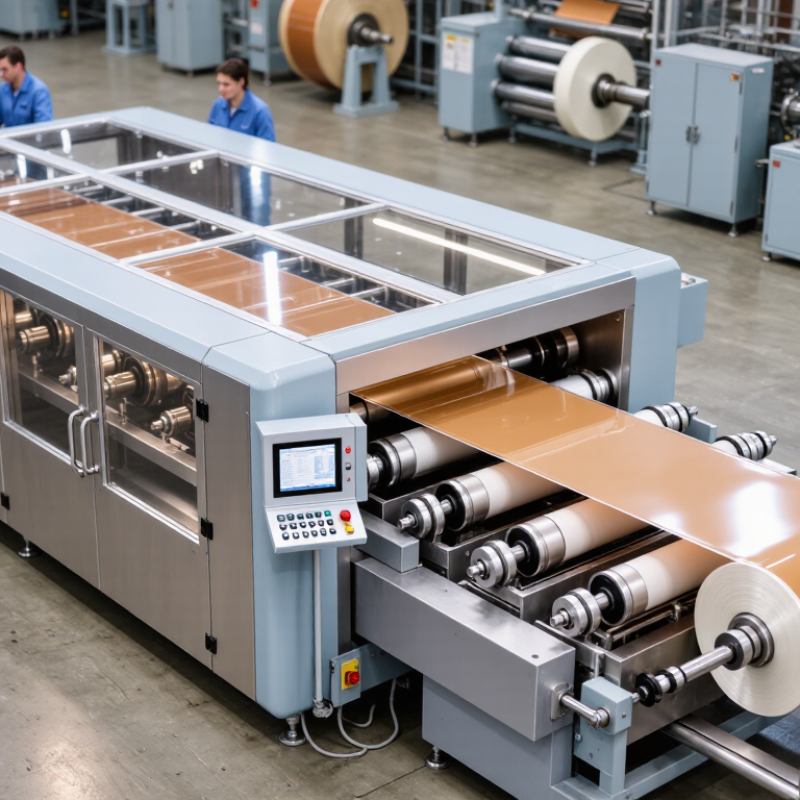
7 Tips for Choosing a Hot Melt Roller Coating Machine

Choosing a Hot Melt Roller Coating Machine is a production decision, not merely an equipment purchase. The right system can improve coating uniformity, reduce adhesive waste, and support stable output. Yet specifications alone rarely tell the whole story. A machine that performs well in a laboratory may struggle beside a busy production line. Material viscosity, coating width, substrate tension, heating response, and cleaning routines all affect results. Small details matter.

This guide presents seven practical tips for evaluating equipment with greater confidence. It considers roller design, temperature control, coating accuracy, line speed, safety features, maintenance access, and supplier support. These points reflect common manufacturing requirements and established engineering practice. Operators should compare test data, not attractive brochures. Ask for coating samples at your intended speed and temperature. Check whether the supplier explains tolerances clearly. If technical answers remain vague, treat that as useful information.

No machine choice is perfect. A faster line may demand more precise tension control and skilled operation. A cheaper model may create higher cleaning costs later. Production teams often focus on purchase price and overlook downtime, which can become expensive. That mistake is easy to repeat. Review your adhesive, substrate, daily volume, and future plans before deciding. Reliable documentation, realistic trials, and honest communication can reveal limitations early. The goal is not the most impressive machine. It is a dependable coating process that fits your people and production reality.

7 Tips for Choosing a Hot Melt Roller Coating Machine

Understand the Hot Melt Roller Coating Process and Its Applications

Hot melt roller coating applies solid adhesive without solvents or lengthy drying stages. Pellets or blocks melt inside a heated reservoir, then flow toward a metering roller. The roller transfers a controlled film onto the substrate. A laminating nip joins the coated surface with film, fabric, foam, or another panel.

Temperature stability controls viscosity and coating consistency. Excessive heat can damage adhesive performance or discolor sensitive materials. Insufficient heat may create streaks, skips, or weak bonding. Small changes matter. During production trials, operators should record roller speed, coating weight, web tension, and nip pressure. These measurements reveal problems faster than visual inspection alone.

When choosing a machine, match its working width and output range to the application. Narrow labels require different control than wide insulation panels. Check whether the system handles the adhesive’s viscosity and softening range. Independent temperature zones can improve control across the roller surface. Automatic gap adjustment may reduce waste during material changes. Practical cleaning access also matters, because cured residue can distort the coating pattern. Safety guards, ventilation, and emergency controls deserve careful inspection. A machine can look efficient on paper, yet perform poorly with real substrates. Test the complete adhesive, roller, and material combination before purchase. Keep it simple. Reliability usually comes from stable settings, trained operators, and repeatable maintenance rather than excessive features.

7 Tips for Choosing a Hot Melt Roller Coating Machine - Understand the Hot Melt Roller Coating Process and Its Applications

A practical comparison of the main selection criteria, process parameters, and application considerations for hot melt roller coating equipment.

Tip Selection Focus What to Evaluate Typical Process Data Best-Suited Uses
1 Match the machine to the adhesive chemistry Confirm that the roller, hose, pump, tank, and seals are compatible with the selected hot melt adhesive. Consider viscosity, thermal stability, moisture sensitivity, and the adhesive's recommended processing temperature. Common adhesive types: EVA, polyolefin, and pressure-sensitive hot melt adhesives.
Processing temperature: Often approximately 120–200°C, depending on formulation.
Packaging laminations, labels, tapes, nonwoven products, furniture components, and technical textiles.
2 Select the correct coating width and working speed Choose a usable coating width that covers the product without excessive overspray or edge waste. The machine should also provide a stable speed range for both laboratory trials and production. Coating width: Common industrial systems may be configured from several hundred millimetres to more than 1 metre.
Line speed: Often ranges from low-speed trial operation to several hundred metres per minute, depending on the substrate and coating weight.
Narrow rolls, sheets, webs, panels, and continuous roll-to-roll production.
3 Check coating-weight control and uniformity Evaluate roller-gap adjustment, pressure control, metering accuracy, temperature stability, and the ability to maintain a consistent adhesive film across the web. Coating weight: Common hot melt applications may use approximately 10–150 g/m², although the required value depends on bonding strength, substrate porosity, and end use.
Key control: Stable gap and synchronized roller speed.
Thin-film laminating, breathable nonwovens, labels, tapes, and products requiring low adhesive consumption.
4 Understand the roller coating process The adhesive is melted in a heated tank, transferred by a heated roller, metered through the roller gap, and applied to a substrate. Review roller surface finish, heating zones, nip pressure, and substrate tension control. Process sequence: Melt → transfer → meter → coat → laminate or cool.
Important variables: Adhesive temperature, roller temperature, gap, line speed, nip pressure, and web tension.
Direct coating, transfer coating, pre-coating, and adhesive laminating of flexible or semi-flexible materials.
5 Prioritize thermal and process safety Look for insulated heated surfaces, over-temperature protection, emergency stops, guarded nip points, temperature alarms, and safe procedures for adhesive loading and cleaning. Safety risks: Hot surfaces, molten adhesive, rotating rollers, and trapped pressure.
Recommended practice: Use machine guarding, heat-resistant gloves, eye protection, ventilation where required, and documented lockout procedures.
Production environments where operator protection, repeatable operation, and reduced downtime are essential.
6 Evaluate cleaning, changeover, and maintenance requirements Check access to the tank and rollers, adhesive drain points, removable parts, temperature-controlled cleaning functions, replacement seals, and the time required to change adhesive types or colours. Maintenance priorities: Remove charred adhesive, inspect roller surfaces, check seals and hoses, and verify temperature sensors.
Best practice: Follow the adhesive supplier's recommended shutdown and cleaning temperature.
Multi-product operations, short production runs, frequent material changes, and facilities where uptime is critical.
7 Confirm substrate and end-use compatibility Test the actual substrate combination for wetting, adhesion, flexibility, heat sensitivity, release behaviour, and ageing performance before approving the machine configuration. Typical substrates: Paper, cardboard, films, foams, fabrics, nonwovens, wood-based panels, and metal-coated materials.
Validation tests: Peel strength, bond strength, coat weight, visual coverage, blocking, and heat or humidity resistance.
Packaging, hygiene products, construction materials, automotive interiors, furniture, medical products, and consumer goods.
Process result: direct roller coating The metered adhesive layer is applied directly to the target substrate, followed by bonding to a second material when required. Provides a continuous adhesive film with adjustable coat weight. Performance depends on temperature, viscosity, roller gap, pressure, and line speed. Direct coating of webs, sheets, panels, textiles, foams, and nonwoven materials.
Process result: transfer coating and laminating The hot melt layer is first formed on a release or carrier surface and then transferred to another substrate during a controlled bonding step. Useful when direct coating could damage a heat-sensitive or porous substrate. Nip pressure, cooling, and release properties influence transfer quality. Films, textiles, breathable membranes, labels, tapes, and substrates requiring controlled adhesive placement.

Note: The temperature, coating-weight, width, and speed ranges shown are general industrial reference values. Final settings must be established through adhesive and substrate trials because formulations, machine designs, and product requirements vary.

Match Machine Capacity and Roller Design to Your Production Needs

7 Tips for Choosing a Hot Melt Roller Coating Machine

Machine capacity should match your real production demand, not an optimistic target. Measure average output, peak orders, coating width, and planned operating hours. A machine rated near your maximum load may run continuously and create unnecessary heat stress. Leave practical capacity for material changes and maintenance. Measure the peaks. Also check whether the pump can maintain a stable flow at your lowest production speed. Poor low-speed control can cause thin edges, streaks, or adhesive buildup.

Roller design directly affects coating quality. A smooth steel roller may suit uniform films, while a patterned surface can control heavier adhesive deposits. Select the roller width slightly beyond the web width, but avoid excessive width that wastes heat and cleaning time. Confirm the usable speed range, roller diameter, surface hardness, and gap adjustment accuracy. A small gap error can change coating weight across the sheet. Keep spare rollers. That detail is easy to overlook.

Test the machine with your actual substrate and hot melt formulation. Viscosity changes with temperature, and some materials respond poorly to long heating cycles. Check temperature stability at the tank, hose, and roller. Ask for coating-weight data at different speeds, not only one laboratory setting. Experienced operators also inspect access panels, guarding, cleaning points, and replacement time. A compact machine may save floor space, but cramped maintenance areas can increase downtime. I have seen capacity calculations fail because they ignored warm-up time and short production runs. Recheck those assumptions before approving the machine.

Evaluate Adhesive Compatibility, Heating Control, and Coating Accuracy

Choosing a hot melt roller coating machine begins with adhesive compatibility. Check the adhesive’s viscosity range, softening point, open time, and recommended processing temperature. A machine should melt the material evenly without scorching it. Ask for trials using your actual adhesive and substrate, not a substitute sample. Watch the melt near the nozzle and roller edges. Uneven flow often appears there first.

Heating control deserves close attention. Independent temperature zones help stabilize the tank, hose, and coating roller. Look for responsive sensors and reliable PID control. Temperature changes of only a few degrees can affect bonding and coat weight. Keep records during a trial. Measure the adhesive temperature, room temperature, and production speed. Small details matter. I once focused on tank temperature and overlooked a cooler transfer hose. The resulting coating looked acceptable, but adhesion varied across the web.

Coating accuracy depends on roller design, pressure adjustment, speed control, and measurement methods. Confirm whether the machine can maintain the required coating weight at your normal line speed. Test several materials, including textured or heat-sensitive surfaces. Use a scale, thickness gauge, or laboratory coat-weight test to verify results. Inspect the coating across the full roller width, not only at the center. A narrow test strip can hide edge problems. Operators should also access cleaning points safely and adjust settings without guesswork. Some specifications look impressive, yet practical calibration may be slower than expected. Evaluate that weakness before purchase.

Check Automation Features, Safety Systems, and Maintenance Requirements

Choosing a hot melt roller coating machine starts with its control system. Look for automatic temperature regulation, adjustable roller speed, and synchronized material feeding. These features reduce uneven coating when production changes. A clear touchscreen should show actual temperature, line speed, and adhesive level. During trials, I prefer systems that record alarms and operating data. That record helps technicians find patterns instead of guessing. Simple controls matter. Operators should not need a manual for every adjustment.

Safety deserves hands-on checking, not brochure promises. Confirm guards cover moving rollers and access doors stop motion immediately. Check emergency-stop buttons from operator and maintenance positions. Temperature sensors should trigger alerts before adhesive overheats. Insulated surfaces also reduce contact burns near the melt tank. Ask whether the machine supports lockout procedures during cleaning. A small gap around a roller can become a serious hazard. Some systems look safe but leave awkward access points; inspect them with gloves and normal tools.

Maintenance requirements often determine real ownership cost. Choose rollers with accessible bearings, removable filters, and simple adhesive-drain paths. Ask how often sensors need calibration and how long normal cleaning takes. A machine that runs efficiently but takes hours to clean may slow the entire shift. Keep spare seals and compatible tools available. I would also test a simulated fault before purchase. It may reveal unclear alarms or poor recovery steps. No system is perfect. The best choice makes problems visible, contained, and fixable by trained staff.

Compare Suppliers, Total Costs, Customization Options, and Technical Support

7 Tips for Choosing a Hot Melt Roller Coating Machine

Compare suppliers beyond the quoted machine price. Ask for coating samples, operating references, and a live test with your actual adhesive and substrate. Check roller width, speed range, temperature stability, and coating tolerance. A supplier should explain these figures clearly. Vague answers deserve caution. Request details about delivery time, installation, operator training, and spare-part availability. Also review the warranty terms. Small wording differences can create large service gaps.

Calculate the total cost over three to five years. Include the machine, heated hoses, rollers, electricity, cleaning materials, maintenance, and replacement parts. Estimate production losses during setup and unplanned downtime. I once underestimated cleaning time in a coating project. That mistake affected labor costs more than expected. Ask whether the quoted price includes calibration, commissioning, and software updates. It often does not. Keep the spreadsheet honest.

Customization should match your process, not merely add features. Discuss coating width, adhesive viscosity, line speed, substrate thickness, and working temperature. Confirm whether the roller design supports future product changes. Technical support matters just as much. Check response times, remote diagnostics, service coverage, and technician availability. Ask for training documents and troubleshooting procedures. Better support can prevent a cold roller, uneven coating, or a delayed production shift. Test every promise before signing.

7 Tips for Choosing a Hot Melt Roller Coating Machine

Use this procurement framework to compare suppliers, estimate total costs, assess customization options, and verify technical support before purchasing.

The chart uses a 100-point procurement model. Total ownership cost receives the highest weighting because installation, energy, maintenance, consumables, and downtime can significantly affect the machine’s long-term value. Coating accuracy, customization, supplier capability, and after-sales support should also be evaluated before making a final decision.

Go to Top