SSI Traffic Solutions: Traffic Safety Products in USA and Canada
Traffic Safety Products in USA and Canada

Traffic cones play a vital role in ensuring road safety, particularly in construction zones. They signal to drivers and pedestrians about hazards ahead. These bright, colorful cones are essential for managing traffic flow effectively.
In 2026, the demand for high-quality traffic cones is expected to rise. Many factors contribute to this, including increased road construction and heightened safety awareness. Various types of cones are available, each designed for specific purposes. However, not all cones are created equal. Some may not withstand harsh weather conditions or heavy usage, raising concerns for their effectiveness in safeguarding lives.
It's crucial to choose the right traffic cones for diverse situations. A poorly chosen cone can lead to confusion on the road. Reflections on durability, visibility, and proper placement are necessary when selecting these tools. Sharing best practices on traffic cone management can improve overall road safety.
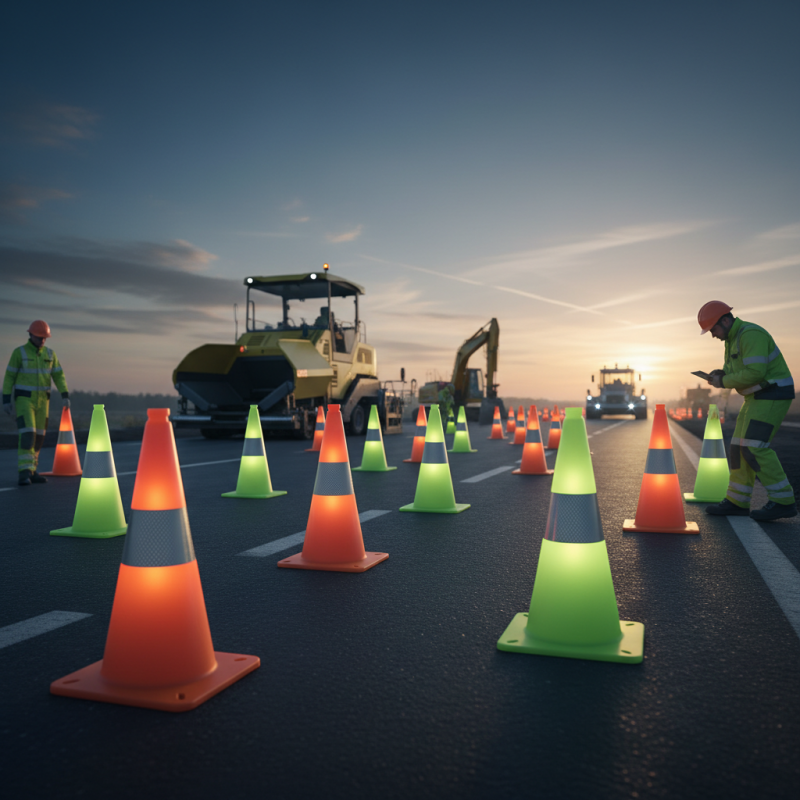
In 2026, traffic cones are undergoing significant innovations. These tools are vital for road safety and construction. Modern cones now feature bright LED lights for enhanced visibility. This addition ensures they can be seen during low-light conditions. Visibility is crucial at night, especially in busy urban areas.
Some cones will also include reflective materials that enhance daytime visibility. This reflects sunlight, making them stand out. Some designs incorporate an eco-friendly aspect, using recycled materials. However, not all innovations consider durability. Some cones may be lightweight but lack sturdiness against harsh weather. A balance between lightweight designs and robustness is essential here.
Another interesting development is smart technology integration. Some cones might soon be equipped with sensors to detect traffic patterns. They can offer real-time updates to nearby drivers. Yet, the reliance on technology raises concerns about functionality during a power outage. Overall, as we move forward, the focus remains on enhancing road safety while also acknowledging the shortcomings of new designs. There is always room for improvement.
This chart illustrates the projected features and benefits of various traffic cone innovations planned for 2026, including brightness, durability, and portability, which are essential for road safety and construction needs.
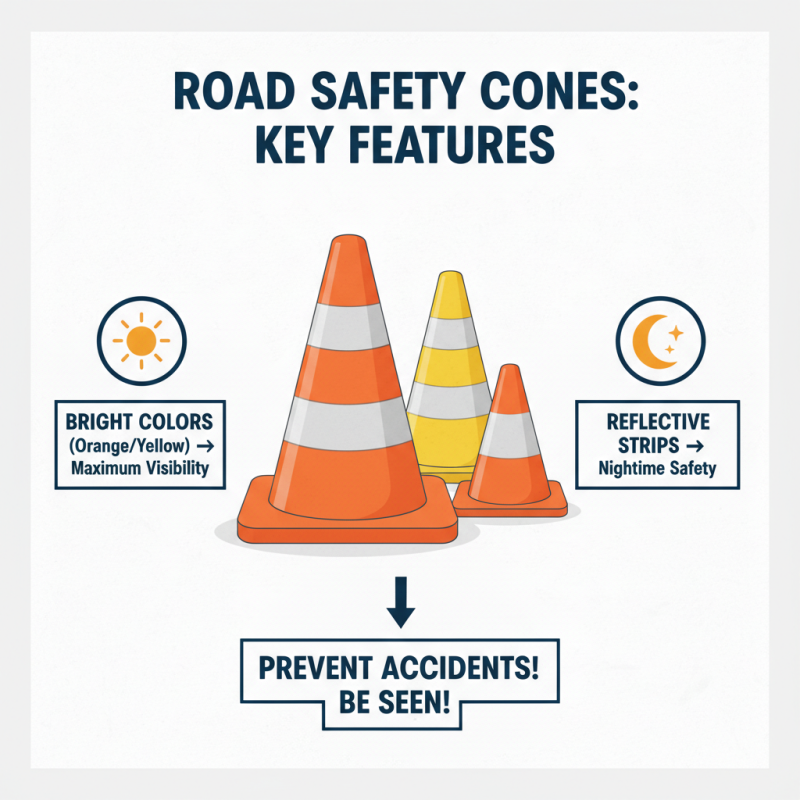
When selecting traffic cones for road safety and construction, key features are vital. Look for bright colors like orange or yellow. These colors attract attention, signaling caution effectively. Reflective strips are also essential. They enhance visibility during low light conditions. This can prevent accidents, especially at night.
Durability is crucial too. Quality cones resist wear from harsh weather. They should handle impacts without losing shape. Lightweight cones are portable, easy to move when needed. However, some may find these less stable in high winds. Consider the height and size for visibility. Taller cones signal danger from a distance.
Think about additional features like stackability. This saves space when stored. Some cones even have built-in lights. While these might sound great, they can complicate maintenance. Inconsistencies in quality can arise, so always inspect before buying. Make sure they are easy to handle, too. Heavy cones can be cumbersome. The right combination of features can significantly enhance road safety.
Traffic cones play a vital role in ensuring safety on construction sites and public roadways. They are essential for directing vehicle and pedestrian flow. According to a report from the American Traffic Safety Services Association (ATSSA), proper cone placement can reduce accidents by 30%. This statistic highlights their importance in everyday use but raises questions about how effectively they are deployed.
Different brands produce a variety of traffic cones tailored for specific needs. Some are made from PVC for durability, while others use lightweight materials for easy mobility. A study by the National Institute for Occupational Safety and Health (NIOSH) indicates that the visibility of cones can impact driver behavior significantly. Cones with reflective collars are especially effective in low-light conditions. However, the frequency of misplaced or toppled cones brings attention to the need for better training for workers.
An analysis of usage patterns shows that the negligence of proper cone maintenance is a common issue. Many sites report that cones are often left unstacked or damaged, which diminishes their effectiveness. Industry feedback suggests that regular inspections and a more structured approach to cone management could improve safety records. These insights prompt reflection on the current practices and urge a reevaluation of how we implement safety measures on roadways.
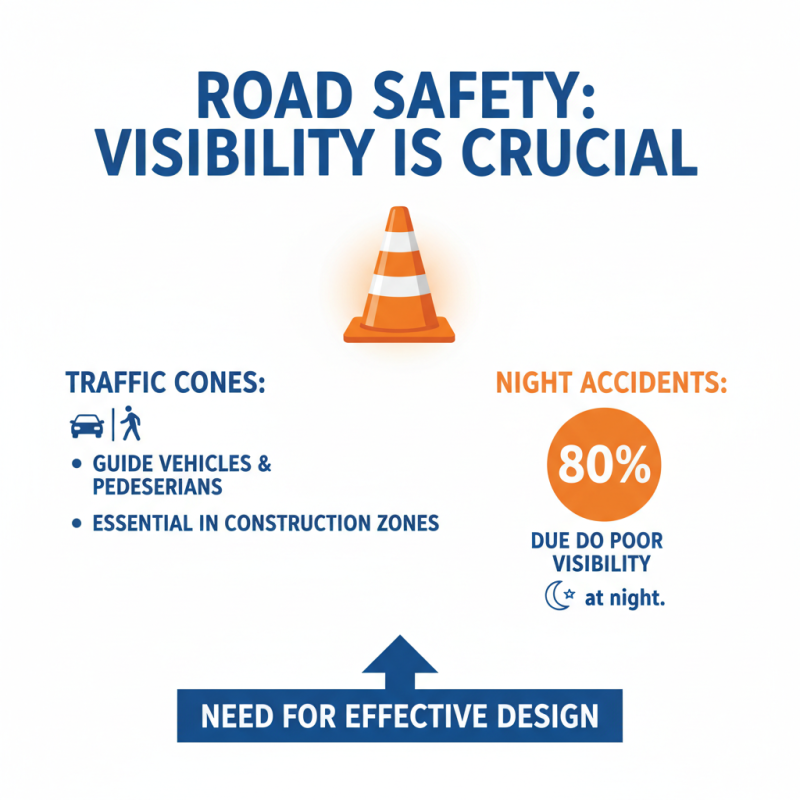
When it comes to road safety, visibility is crucial. Traffic cones serve as essential tools in construction zones and crowded streets, guiding vehicles and pedestrians. A recent industry report found that 80% of accidents occur due to poor visibility at night. This highlights the need for effective traffic cone design.
Bright colors and reflective materials greatly enhance visibility. According to a study, cones with fluorescent orange colors are visible up to 500 feet away in dim conditions. However, not all cones meet these standards. Some lower-quality options lack sufficient reflectivity or fade quickly. This raises concerns for user safety and highlights the importance of selecting the right cone.
Furthermore, the shape and weight of traffic cones matter too. Lightweight cones may topple easily in high winds, while sturdy designs remain upright. Research indicates that up to 30% of road work accidents are linked to unstable signage. It is vital to critically assess the type of cone used in various environments to ensure optimal protection for both workers and motorists.
Traffic cones serve an essential purpose in road safety and construction. Regulatory standards dictate their usage to ensure uniformity and effectiveness. In the United States, the Manual on Uniform Traffic Control Devices (MUTCD) provides guidelines for cone design, color, and placement. According to a 2022 study, over 80% of traffic-related injuries occur in construction zones, highlighting the necessity of well-regulated cone usage.
Cones must be highly visible, typically orange with reflective strips. The Federal Highway Administration mandates these specifications to enhance visibility, especially at night. A significant report notes that 93% of drivers recognize traffic cones at a distance, reinforcing their role in safety. However, improperly placed cones can lead to confusion and increased accident rates. This emphasizes the importance of adhering to regulations when deploying these markers.
While regulations are in place, inconsistencies often arise. Some local jurisdictions may deviate from national standards. These discrepancies can confuse motorists. In one region, a 30% increase in accidents was correlated with inadequate cone placements during roadwork. Continuous training and compliance checks are vital to uphold safety standards in cone usage.