SSI Traffic Solutions: Traffic Safety Products in USA and Canada
Traffic Safety Products in USA and Canada

Road hazards are rarely dramatic at first: a faded lane line, a cone hidden by glare, or a barrier placed too late. Yet these details shape how drivers and workers move through a site. The World Health Organization’s Global Status Report on Road Safety 2023 estimates that 1.19 million people die in road crashes worldwide each year. The scale is stark. In the United States, the Federal Highway Administration reports 891 work-zone crash fatalities in 2022. Those figures do not prove that one device can prevent every crash, but they show why practical protection deserves careful attention.
In 2026, the most useful traffic safety equipment will still depend on the road, the weather, and the people using it. This guide examines core categories: warning signs, cones and channelizers, temporary barriers, crash cushions, pavement markings, work-zone lighting, speed-feedback systems, and high-visibility protective gear. Each serves a different purpose. A reflective sign can give a driver more time to react, while a barrier separates moving traffic from a crew. FHWA guidance and National Highway Traffic Safety Administration crash data provide a sound basis for evaluating these choices. Product claims still need scrutiny. Equipment alone cannot fix a confusing layout or poor placement, and real sites are messier than diagrams suggest. That matters. The sections ahead compare what each type does, where it fits, and which details buyers should verify before installation.
Traffic safety equipment includes the devices and protective systems used to guide road users, separate hazards, and reduce injury risk. Its scope ranges from temporary work zones to permanent roads, parking areas, and pedestrian crossings. The right equipment depends on traffic speed, visibility, site duration, weather, and the people using the space. Small details matter.
Main categories include signs and signals, such as temporary warning boards and portable traffic lights. Channelizing devices—cones, delineators, and drums—shape vehicle paths and mark restricted areas. Barriers and impact-attenuating systems provide physical separation where a simple visual warning may not be enough. These devices need suitable placement and regular checks.
Visibility equipment includes reflective materials, lighting, and illuminated signs, especially useful at night or in rain. Personal protective equipment, such as high-visibility garments and hard hats, helps protect workers near moving traffic. Monitoring tools can include speed displays and detection systems. Categories overlap in practice. A layout may seem clear on a plan yet confuse drivers at dusk, so on-site review and maintenance remain essential.
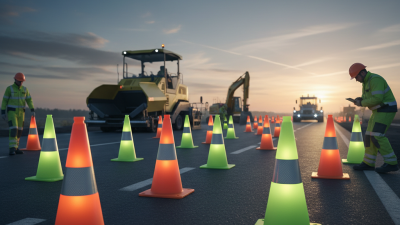
Visibility and personal protection equipment matters most where drivers, workers, and moving vehicles share limited space. The Federal Highway Administration’s 2022 Work Zone Facts and Statistics reports 891 people killed in work-zone crashes that year. That figure makes a simple point: being seen early can matter. High-visibility vests, jackets, and trousers with reflective bands help workers stand out in daylight and under headlights. Choose garments suited to the task, weather, and background. A fluorescent vest can blend into bright roadside clutter.
Fit matters too. A loose vest may snag; a wet jacket can hide reflective strips. The Bureau of Labor Statistics recorded 5,283 fatal work injuries in 2023, with transportation incidents the largest event category, at 1,942 deaths. Those numbers cover many occupations, not traffic crews alone, but they underline the value of layered protection. Helmets, protective eyewear, gloves, and sturdy footwear address different hazards. One item cannot do every job.
Check visibility gear before each shift. Look for torn fabric, faded color, blocked tape, and dirt. Replace damaged pieces. Small details count. Selection should follow the worksite’s exposure and applicable guidance, including ANSI/ISEA 107 for high-visibility apparel. Yet equipment is not a substitute for a safe work plan. Even good gear can be overlooked in rain, glare, or crowded scenes. That deserves regular review.
In 2026, signs, signals, and roadway markings remain the everyday foundation of safer streets. They guide drivers, pedestrians, and cyclists through changing conditions. Signs work best when they are easy to spot, readable at a glance, and placed before decisions must be made. Retroreflective surfaces help headlights reveal important messages at night. Yet glare, foliage, snow, and poor placement can still hide a sign.
Traffic signals assign right-of-way at busy intersections and crossings. Timed phases can reduce conflicting movements, while pedestrian countdown displays show how much crossing time remains. Some systems adjust timing using traffic sensors, but added technology does not fix confusing intersection geometry. Visibility matters. Signal heads, lenses, and detection equipment need regular checks, especially after storms or roadwork.
Roadway markings make lanes and crossing points legible without adding roadside clutter. Clear stop lines, crosswalk bars, arrows, and lane boundaries help people anticipate where to wait or travel. Wet pavement can weaken their visibility, so material choice and upkeep matter. No layout is perfect. Engineers should review nighttime conditions, drainage, wear, and how people actually use the road. A fresh marking may look clear in daylight and disappear in rain; field inspections can catch that gap before it becomes routine.
| Equipment Type | Common Examples | Primary Safety Function | Typical Applications | Key Visibility or Maintenance Considerations |
|---|---|---|---|---|
| Regulatory Signs | Speed-limit, stop, yield, one-way, and no-entry signs | Communicate traffic laws and restrictions that road users are required to follow. | Intersections, road approaches, restricted roads, and locations with posted speed limits. | Keep signs unobstructed and legible; replace damaged or faded signs and check that placement is appropriate for approaching traffic. |
| Warning Signs | Curve, intersection, pedestrian crossing, school, and road-work warnings | Alert road users to conditions that may require reduced speed, attention, or a change in driving behavior. | Curves, junctions, crossings, work zones, and other locations where a hazard may not be immediately obvious. | Provide adequate advance notice for the roadway and operating conditions; maintain clear sightlines and visible sign faces. |
| Guide and Information Signs | Route markers, destination signs, street-name signs, and lane-use guides | Help road users identify routes, destinations, streets, and appropriate lanes. | Highways, urban streets, interchanges, and complex intersections. | Use clear, consistent information and maintain legibility, especially where drivers need time to choose a lane or route. |
| Traffic Signals | Vehicle signals, pedestrian signals, and accessible pedestrian signal indications | Assign right-of-way at intersections and crossings through controlled signal indications. | Signalized intersections, marked pedestrian crossings, and other locations where traffic movements need to be separated in time. | Check signal faces, indications, timing, and pedestrian equipment regularly; visibility and operation should suit the intersection layout. |
| Pavement Markings | Lane lines, edge lines, centerlines, stop lines, crosswalks, arrows, and symbols | Guide positioning and movement on the roadway, identify lanes, and indicate stopping or crossing areas. | Road lanes, intersections, pedestrian crossings, approaches to stop-controlled locations, and channelized areas. | Markings can become less visible through wear, dirt, or weather. Inspect them and renew them as needed, including attention to nighttime visibility. |
| Temporary Traffic-Control Devices | Work-zone signs, channelizing devices, temporary markings, and portable signals | Guide road users safely through or around temporary changes in traffic patterns. | Road construction, maintenance, utility work, incident response, and temporary closures. | Set up devices to provide a clear, continuous path; inspect them during the work period and adjust them when work-zone conditions change. |
Equipment selection, design, placement, and maintenance should follow the applicable local standards and roadway conditions.
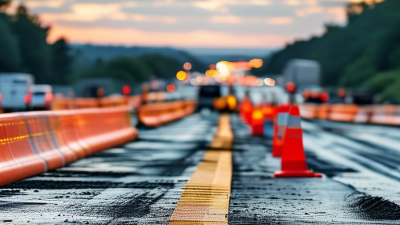
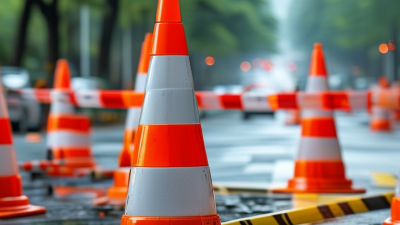
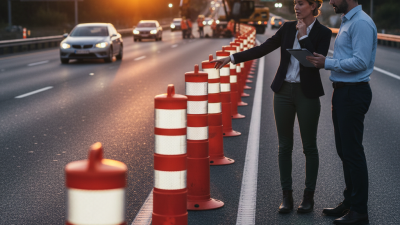
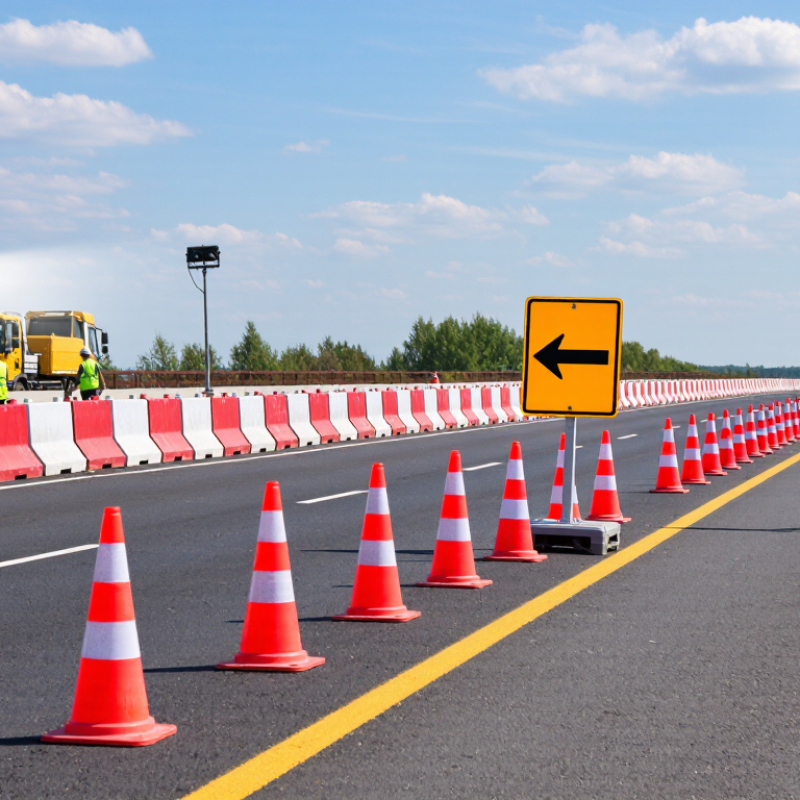
Barriers, cones, and channelizing devices do different jobs, and treating them as interchangeable can create blind spots. The Federal Highway Administration reported 891 work-zone fatalities in 2022, underscoring why temporary traffic layouts need careful planning. Cones and drums guide drivers through gradual lane shifts; they do not stop an errant vehicle. Use consistent spacing, clear sightlines, and reflective surfaces that remain visible in rain or headlight glare. Small details matter.
Barriers provide a stronger physical separation between traffic and work areas, but placement and terminal treatment matter. FHWA’s Manual on Uniform Traffic Control Devices provides guidance for selecting and arranging temporary traffic-control devices, while crashworthiness criteria such as MASH help agencies evaluate safety hardware. On a site visit, check whether cones have toppled, barrier connections remain aligned, and sign messages can be read before drivers reach the taper. A technically correct layout can still confuse people when it changes too abruptly. I have seen how easy it is to overlook a blocked sightline during setup; a second walk-through is worth the time. Use trained crews and adjust devices as the work zone shifts.
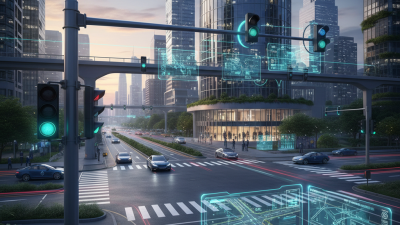
In 2026, traffic safety systems increasingly combine detection, enforcement, and connected communication. Roadside radar, video analytics, and pavement sensors can measure speed, vehicle volume, or queues. At a busy intersection, a camera may spot a turning vehicle while a signal sensor tracks pedestrians waiting at the curb. Each tool sees different details. None sees everything.
Rain complicates detection. Enforcement equipment can document speeding or red-light events, supporting consistent monitoring, but it works best alongside clear road layouts and visible signals. Regular calibration and maintenance matter: a sensor covered in grime may miss a vehicle or produce unreliable readings. Small failures count.
Connected systems can send warnings about sudden braking, congestion, or hazards ahead to nearby signs and compatible vehicles. Signal controllers may also adjust timing when traffic builds, reducing unnecessary stops. But connectivity is not automatically safer. Stale data can mislead drivers, and systems need careful protection of personal information. Agencies should test performance in real conditions, including dark roads and heavy rain. Even then, technology cannot replace attentive driving or sound street design. That limitation deserves more attention.
Detection, enforcement, and connected safety systems
The bars count representative equipment types described in this overview—not sales, market share, or deployment totals. Detection systems identify vehicles and road conditions; enforcement systems support speed and signal compliance; connected systems share warnings and operational data.