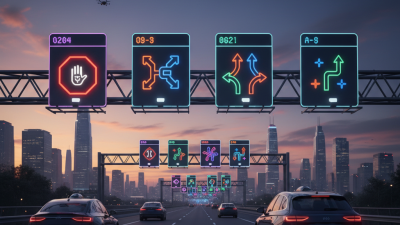
SSI Traffic Solutions: Traffic Safety Products in USA and Canada
Traffic Safety Products in USA and Canada

Traffic signs play a crucial role in ensuring road safety and efficient navigation. According to the Federal Highway Administration, proper signaling can reduce accident rates by up to 50%. However, many drivers overlook their importance. Understanding traffic signs can significantly enhance road awareness and safety.
Studies suggest that approximately 30% of crashes occur at intersections. Inadequate or unclear traffic signs contribute to these incidents. A well-placed stop sign or a clear yield indication can save lives. Yet, in some areas, signs are outdated or poorly maintained, raising serious concerns about public safety.
The significance of traffic signs extends beyond mere regulation. They serve as vital communicators between engineers and drivers. Yet, when drivers disregard these indicators, the risks escalate. Improving sign visibility and clarity could lead to better compliance and safer roads for everyone.

Traffic signs play a critical role in road safety. They offer essential information to drivers and pedestrians alike. According to the National Highway Traffic Safety Administration (NHTSA), over 94% of traffic accidents result from human error. Proper signage can significantly reduce these errors. For example, clear stop signs can lower accident rates at intersections by up to 50%. This statistic emphasizes the effectiveness of traffic signs in preventing collisions and saving lives.
Moreover, the presence of well-placed traffic signals and warnings can guide drivers through complex environments. A report from the Federal Highway Administration noted that pedestrian fatalities increase by 45% in areas lacking adequate signage. This highlights how crucial signage is for vulnerable road users. But not all signs are created equal. Aging signs or those obscured by vegetation can lead to catastrophic outcomes. Inadequate maintenance of these signs is a concerning issue that needs addressing.
Furthermore, the impact of modern traffic management systems cannot be overlooked. Integrating smart technology with traditional signs has been shown to improve real-time navigation and safety. Unfortunately, many regions still rely on outdated systems. As we strive for safer roads, reflective updates on traffic signage should be a priority. Addressing these gaps could further enhance our road safety landscape.
Road traffic fatalities remain a pressing issue worldwide. According to the World Health Organization, around 1.35 million people die from road traffic accidents annually. A significant factor contributing to these tragedies is a lack of proper signage. Inadequate traffic signs not only increase confusion among drivers but also worsen response times in emergencies.
Research indicates that missing or unclear traffic signs are involved in over 20% of fatal accidents. The Federal Highway Administration suggests that improved signage could reduce crashes by 30%. For instance, clear stop signs and speed limits are vital for safe navigation. The absence of these markers can lead to unintentional speeding or traffic violations, raising risks for both drivers and pedestrians.
Human error accounts for many accidents. Without clear guidance from traffic signs, drivers may make impulsive decisions. The lack of adequate signage creates blind spots in communication between the road and the driver’s understanding of rules. This inadequacy calls for critical reflection on how we prioritize road safety measures and the effectiveness of current regulations.
Traffic signs play a critical role in guiding drivers and ensuring road safety. They communicate specific information in a quick and clear manner. Signs like stop signs, speed limits, and yield signs are vital in shaping driver behavior. For instance, a stop sign prompts drivers to halt and assess their surroundings. Ignoring this sign can lead to accidents and potential injuries.
Different types of traffic signs have distinct impacts on how drivers react. Regulatory signs enforce rules, while warning signs alert drivers to potential hazards. A curve warning sign prepares drivers for sudden turns ahead. This awareness can prevent dangerous situations. However, not all drivers heed these signs. Frustration may occur during peak hours, leading to reckless behavior.
Moreover, informational signs guide drivers to their destinations. They provide directions and distance, yet distractions can lead drivers to overlook these signs. Misunderstanding or neglecting the information can delay travel. Overall, the effectiveness of traffic signs relies heavily on driver compliance. Recognizing this could lead to better safety practices among road users.
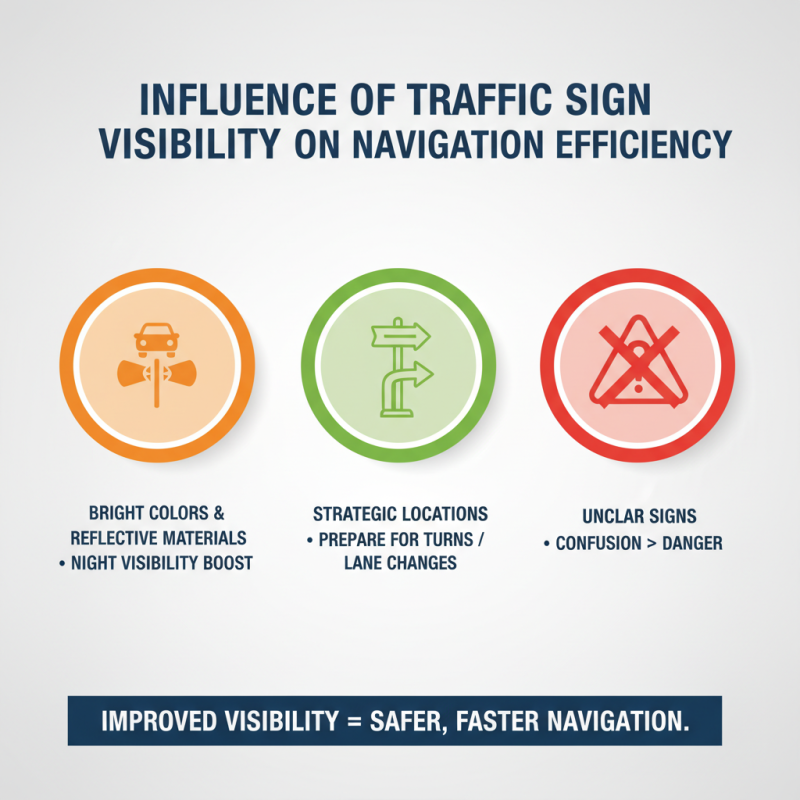
Traffic signs play a vital role in enhancing navigation efficiency. Their visibility directly impacts a driver’s ability to make quick decisions. For instance, bright colors and reflective materials boost sign visibility at night. Signs positioned at strategic locations help drivers prepare for turns or lane changes. When signs are unclear, confusion can lead to dangerous situations.
Poor visibility can hinder drivers in dense urban areas. It becomes hard to spot critical information amid numerous distractions. An obscured stop sign can turn a routine intersection into a risky endeavor. Research shows that proper signage placement can significantly reduce accidents. Yet, many roads still feature inadequately visible signs, raising safety concerns.
It’s essential to discuss and improve traffic sign standards. Authorities must regularly inspect signs to check for wear and tear. Community feedback about signage can lead to better designs. Striving for clear and visible traffic signs is vital. These small details contribute significantly to safer roads and efficient navigation.
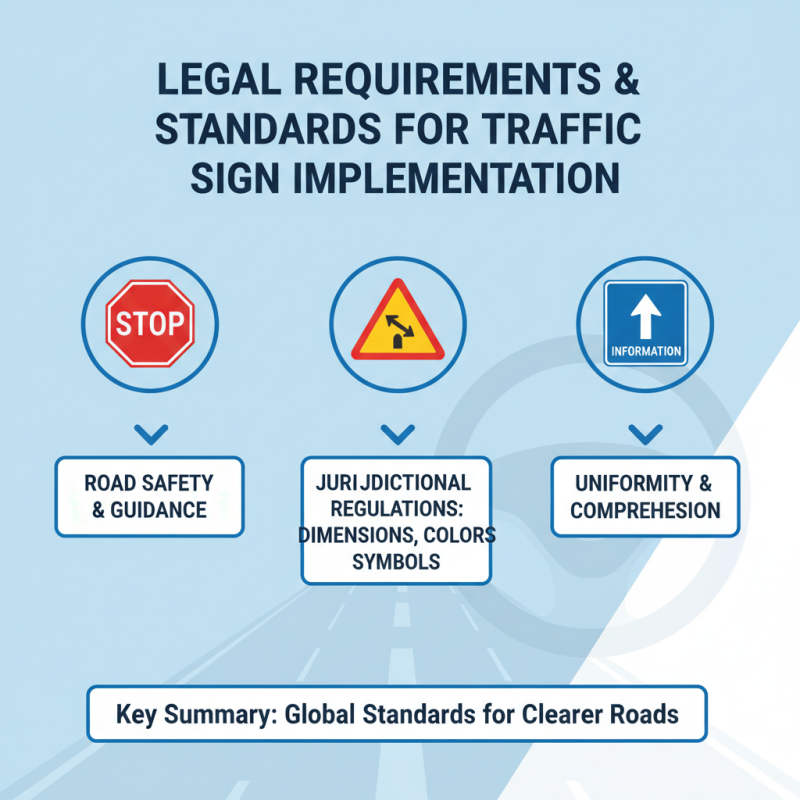
Traffic signs serve a fundamental role in ensuring road safety and guiding navigation. Legal requirements dictate how these signs must be designed and implemented. Each jurisdiction has its own regulations that specify dimensions, colors, and symbols. These standards aim to create uniformity, making it easier for drivers to understand their meanings.
In many areas, local governments are responsible for maintaining these signs. Yet, the reality is that not all signs meet the required standards. Some may fade over time or be knocked down. This inconsistency can confuse drivers and increase the risk of accidents. Awareness and adherence to these standards are crucial for minimizing potential hazards.
It's essential for communities to hold authorities accountable for sign maintenance. Also, public education about the importance of recognizing and obeying these signs cannot be overlooked. Regular assessments of traffic signage can reveal areas needing improvement. Engaging the public in discussions about traffic safety fosters a proactive environment for change.