SSI Traffic Solutions: Traffic Safety Products in USA and Canada
Traffic Safety Products in USA and Canada

A Uhp Graphite Electrode 500mm is a large-diameter electrode used mainly in electric arc furnace steelmaking. It conducts high electrical current into the furnace. The arc between its tip and the metal charge generates intense heat. Watch the furnace floor. Steel scrap begins to melt under the arc, while operators manage power, electrode position, and furnace conditions.
The 500mm diameter indicates the electrode’s size, not a guaranteed production rate. Performance also depends on electrode quality, furnace design, current settings, and operating practice. In service, sections are joined with threaded graphite nipples to form a column. Each joint must be handled carefully; damage can interrupt operation. Small details matter.
A practical way to frame its role is through this illustrative comment from “Daniel Mercer,” a fictional expert voice, not a verified industry source: “The electrode is not just a conductor; it is part of the furnace’s working system.” This is an editorial quotation, not a claim from a real interview. For purchasing or technical decisions, compare verified product specifications and consult qualified furnace personnel. A 500mm electrode may suit some high-current operations, but diameter alone cannot determine suitability. Check the application.
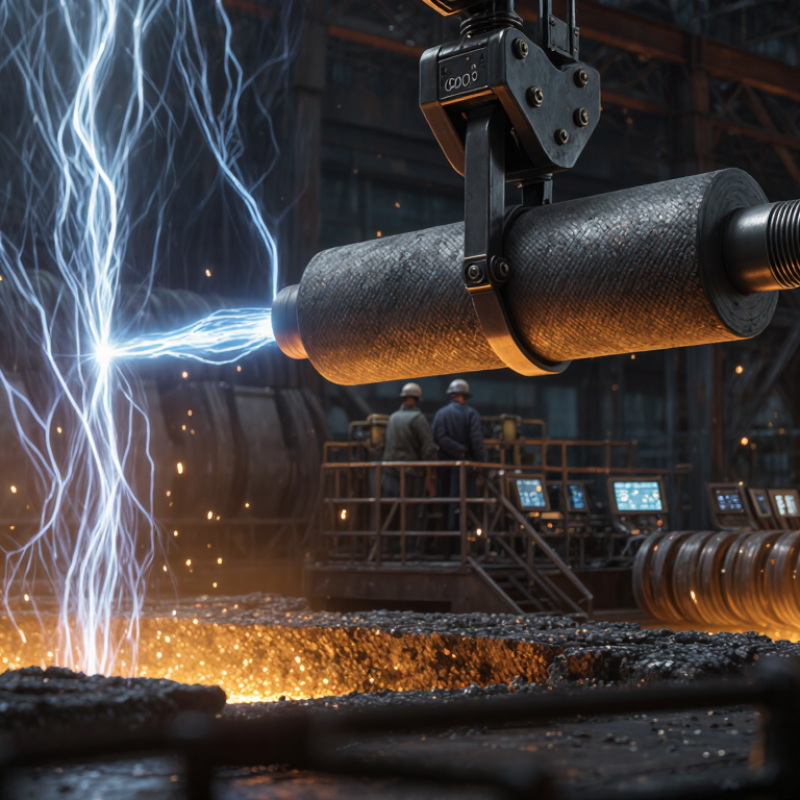
A 500 mm UHP graphite electrode is defined by two things: its nominal diameter and its ultra-high-power performance grade. The 500 mm measurement refers to the electrode’s outside diameter, not its length. UHP describes its suitability for high-current electric arc furnace operation. Exact limits depend on the applicable product specification.
Its performance depends on more than size. Electrical resistivity, thermal expansion, strength, and the threaded nipple connection all affect how it carries current and withstands heat. The connection must fit securely; a poor joint can create local heating. That matters. “UHP” alone does not guarantee identical properties across suppliers, so buyers should check measured values and tolerances.
The furnace context explains the demand. World Steel Association’s World Steel in Figures 2024 reports that electric arc furnaces produced 28.6% of global crude steel in 2023, about 1.892 billion tonnes overall. A 500 mm electrode may suit a particular furnace’s current and operating conditions, but diameter alone cannot confirm compatibility. Check the furnace design, electrode-column requirements, and connection dimensions. Not just size.
What Is a UHP Graphite Electrode 500mm Used For?
A 500 mm UHP graphite electrode conducts high current into an electric arc furnace, where the arc melts metallic charge. Its diameter matters electrically: IEC 60239:2005 covers graphite-electrode dimensions, and a 500 mm circular section has an area of about 1,963 cm². Applying a common UHP design range of 18–25 A/cm² gives a calculated current range of roughly 35–49 kA. This is an estimate, not a furnace rating. The electrode grade, joint design, cooling, and operating practice all affect safe current limits.
At the same current, the larger cross-section lowers current density and reduces resistive heating within the electrode. Less internal heating can help limit temperature stress, while the greater diameter also provides more material to carry heat. But it does not guarantee a cooler tip. Arc conditions and sidewall oxidation still matter. The European Commission JRC’s 2013 iron-and-steel production reference describes electric arc furnace operation as electricity-intensive, underscoring why current and heat management matter. In practice, engineers match electrode diameter to transformer power and furnace design. A 500 mm electrode may suit high-power operation, but diameter alone cannot predict performance. Real furnaces are less tidy than a calculation.
UHP graphite electrodes conduct high electrical currents in electric arc furnace steelmaking. This comparison shows how diameter affects cross-sectional area and calculated resistance per metre.
A 500 mm electrode has a cross-sectional area of about 1,963 cm². The resistance values are calculated using a representative resistivity of 5 μΩ·m and a one-metre length; at the same current, lower resistance means less resistive heating per metre. Actual performance depends on electrode grade, joints, operating current, and furnace conditions. These calculations are illustrative, not operating ratings.
A 500 mm UHP graphite electrode is used to carry high electrical current into a large electric arc furnace. The current creates intense arcs between the electrode tips and the metal charge, helping melt scrap steel or other furnace materials. Its wide diameter provides a substantial path for current in demanding, high-power operation.
That matters.
In practice, electrodes are joined into a column with threaded connectors, then lowered as the charge melts. Operators adjust their position to maintain the arcs and manage furnace conditions. Graphite conducts electricity and tolerates extreme heat, but electrode sections still wear down through oxidation, breakage, and gradual consumption.
A 500 mm size does not, by itself, determine furnace output or performance.
Current limits also depend on electrode grade, connector design, cooling, and operating practice.
Not by itself.
The larger diameter can support high-current use, yet poor alignment or rough handling may still cause costly damage. Even experienced teams must balance power input against electrode wear; the trade-off is not always obvious from the diameter alone.
A 500 mm UHP graphite electrode is mainly used in electric arc furnaces, where it carries high electrical current to create an intense arc. That heat melts steel scrap and helps maintain the furnace’s demanding production rate. The electrode is gradually consumed, so operators connect new sections as the column shortens. Its diameter provides a substantial current-carrying area, but the right size depends on furnace design and operating conditions.
During steelmaking, stable electrode performance supports consistent heating and helps limit interruptions. In a ladle furnace, electrodes can also reheat molten steel during refining, allowing adjustments before casting. These processes expose the graphite to heat, electrical stress, and oxidation. Small differences in alignment or connection quality matter. In practice, furnace behavior is rarely as tidy as a technical diagram suggests; power settings, scrap mix, and electrode wear all affect results.
Tips: Check the electrode joints for tight, clean contact, and follow the furnace maker’s operating limits. Watch for unusual breakage or rapid wear; these may signal handling or process issues. A 500 mm electrode is not automatically the best choice for every furnace.
A 500mm UHP graphite electrode is commonly used in high-power electric arc furnaces for steelmaking. Its diameter can carry substantial current, but diameter alone does not determine suitability. The electrode must match the furnace’s transformer capacity, operating current, and connection system. A mismatch may increase breakage risk or reduce arc stability.
Selection starts with the furnace’s actual operating range, not just its rated capacity. Check current density, electrode length, nipple dimensions, and the required connection torque. Joint fit matters. Poorly matched or damaged threads can create hot spots and loosen during operation. Electrode resistivity, bulk density, and strength also influence heat generation and resistance to mechanical stress. Small details matter. Published values still need to be checked against the furnace supplier’s limits.
During operation, keep electrode columns aligned and handle sections carefully to avoid impact damage. Tighten joints evenly with suitable equipment; excessive force can damage threads, while a loose connection can overheat. Watch for unusual consumption, frequent slipping, or rising joint temperatures. These signs may point to incorrect settings, poor contact, or unstable furnace conditions. Operating records help identify patterns, though they may not explain every breakage on their own.