SSI Traffic Solutions: Traffic Safety Products in USA and Canada
Traffic Safety Products in USA and Canada

Traffic signs are crucial for safe driving. They guide motorists by providing essential information on road rules and hazards. Understanding these signs can prevent accidents and ensure safety. For instance, a simple stop sign means you must halt completely. If ignored, this could lead to severe consequences.
Different traffic signs serve various purposes. Warning signs alert drivers to potential dangers ahead. Regulatory signs indicate rules that must be followed. Temporary signs often appear in construction areas, signaling changes. Recognizing these different signs and their meanings is vital. Drivers should not rush past them without full comprehension.
Moreover, it is essential to reflect on our familiarity with traffic signs. Many drivers overlook signs due to distractions. This negligence can lead to dangerous situations. Continuous learning about road signs is necessary for all drivers. One mistake can alter lives drastically. We must remain vigilant to protect ourselves and others on the road.
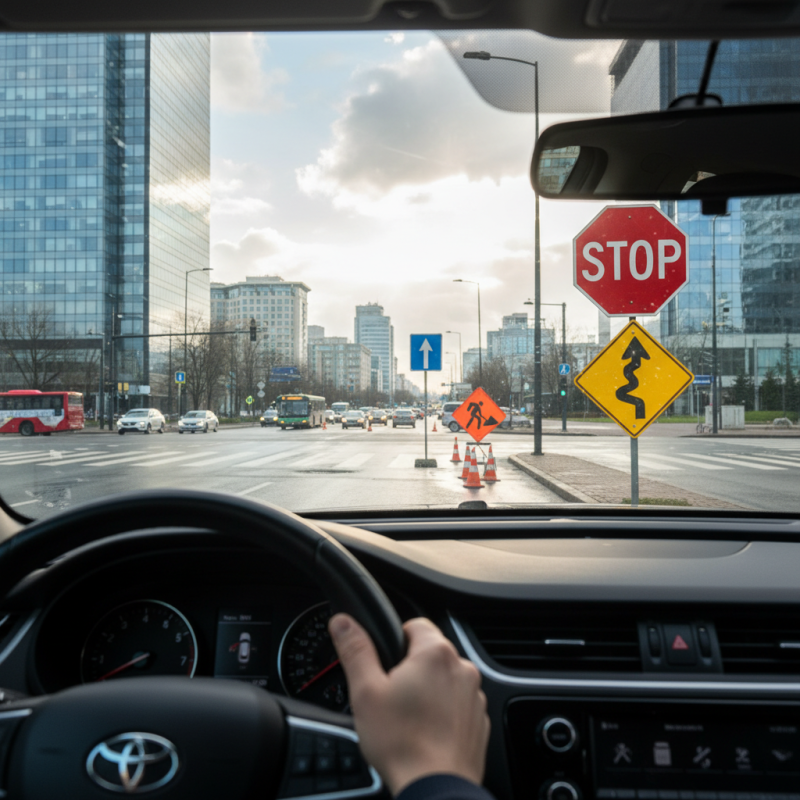
Traffic signs play a crucial role in road safety. They communicate essential information to drivers, helping to navigate safely. Each sign serves a distinct purpose, from speed limits to warning signs. Understanding these symbols can potentially save lives. Ignoring their meanings can lead to serious consequences.
When approaching an intersection, stop signs instruct drivers to come to a complete halt. This brief pause allows for a better view of oncoming traffic. Failure to stop can lead to accidents. Yield signs indicate that drivers must let other vehicles or pedestrians go first. Misunderstanding these signs can result in dangerous situations.
Traffic signs also include informative signs, like those indicating hospital zones or pedestrian crossings. Recognizing these details fosters a safe driving environment. However, many drivers overlook such signs, often in a hurry. This negligence can be a steep price to pay. Taking time to understand their function is vital for everyone on the road.
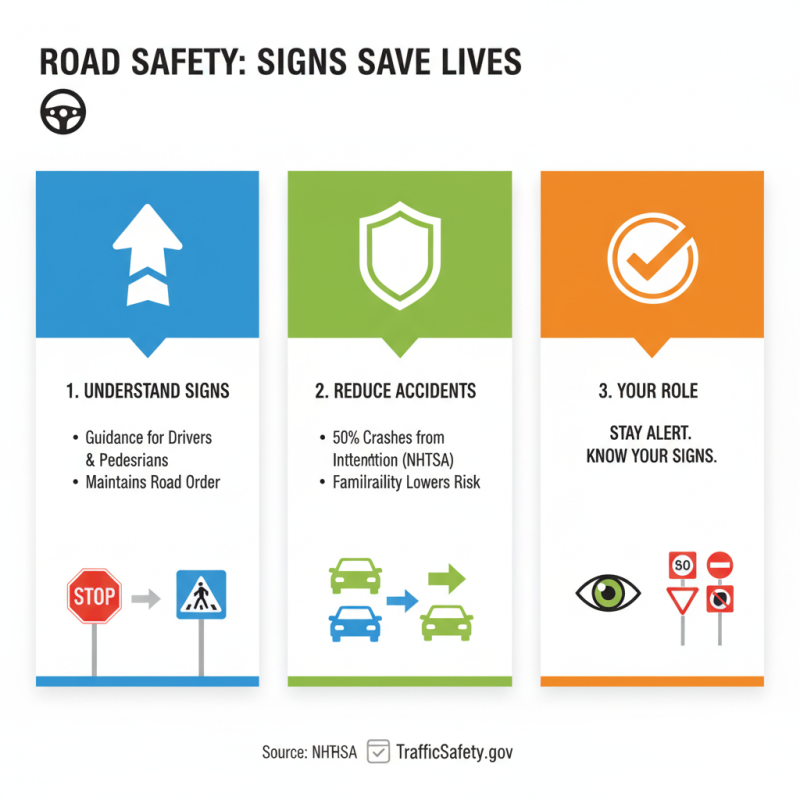
Understanding traffic signs is crucial for safe driving. These signs guide drivers and pedestrians, helping maintain order on the roads. According to the National Highway Traffic Safety Administration, nearly 50% of all crashes result from driver inattention. Familiarizing oneself with traffic sign meanings can significantly reduce this risk.
Traffic signs fall into various categories. Regulatory signs, such as stop and yield, indicate rules that must be followed. Warning signs, like curves and pedestrian crossings, alert drivers to potential hazards. Informational signs, including directions and distances, assist in navigation. Each sign has a distinct shape and color that conveys specific information. For instance, red often means stop, while yellow signals caution.
Despite their importance, many drivers misinterpret these signs. Studies show that up to 25% of drivers struggle with understanding the meaning of less-common signs. This confusion can lead to dangerous situations. It's vital to continuously review and reflect on these signs. Learning their meanings is an ongoing process. Education and awareness remain key components in promoting road safety.
Understanding road markings is essential for safe driving. These markings guide us through intersections, tell us where to stop, and designate lanes. Solid lines indicate a no-passing zone. Dotted lines allow lane changes. Yet, many drivers overlook these crucial details. They may drift into marked lanes without checking signs or mirrors first.
Traffic signals play a vital role in controlling vehicle movement. A red light means stop. Green means go. But what about yellow? It implies caution. Some drivers rush through, misinterpreting the signal's intent. They might think it's an opportunity, only to face unexpected consequences. Confusion often arises from blinking lights and special arrows. Drivers should always stay alert and prepare for the unexpected.
In cities, additional markings, like bike lanes, remind drivers to share the road. This can lead to a misunderstanding of right-of-way. Drivers must practice empathy. Some get annoyed by cyclists' slow pace, leading to risky maneuvers. Observing road markings can prevent accidents and enhance everyone's safety. Each time you drive, remember that the road is a shared space, and awareness is key.
Understanding traffic signs is essential for safe driving. Each sign conveys specific rules that keep us safe on the road. Speed limits indicate how fast we can drive. They vary from residential areas to highways, reflecting safety needs. A stop sign demands full attention; we must halt completely. Ignoring it can lead to accidents. Yield signs require caution but do not demand a complete stop. Misunderstanding these nuances can result in serious consequences.
Another important sign is the pedestrian crossing symbol. It reminds us to watch for people crossing the street. When we see this sign, we must slow down. Sometimes, we might forget to pay attention. This lack of awareness can pose risks to both drivers and pedestrians.
Additionally, no parking signs restrict where we can leave our vehicles. Some drivers often overlook these rules, leading to fines.
Lanes often have markings that guide us. Solid lines indicate that crossing is not allowed. However, dashed lines suggest we can change lanes safely. Misjudging these markings can create confusion. Drivers may find themselves in precarious situations. Knowing these common rules can help us navigate the roads better. Understanding traffic signs is not just about seeing them; it's about acting responsibly.
Understanding traffic signs is crucial for safe driving. They guide us on speed limits, road conditions, and potential hazards. Ignoring these signs can lead to accidents, fines, or worse. Staying focused while driving is essential. Many drivers let their minds wander. This can be dangerous.
Tips: Always scan your surroundings. Look for signs that indicate turns or pedestrian crossings. When you see a stop sign, come to a complete stop, even if the road looks clear. It’s easy to roll through, but that can have serious consequences.
Pay attention to warning signs, too. Signs with a yellow background alert you to potential hazards ahead. These might include sudden turns or slippery roads. A moment of distraction can lead to a missed sign. Adjusting your mindset can help curb this habit. Always remember: the road deserves your full attention.