SSI Traffic Solutions: Traffic Safety Products in USA and Canada
Traffic Safety Products in USA and Canada

Understanding street signs is essential for safe travel. In 2026, various signs will have even more diverse meanings. Thomas Lane, a street signs expert, asserts, "Each sign tells a story." These stories guide us through our everyday journeys.
Street signs shape our urban landscapes. They provide critical information on speed limits, directions, and warnings. Yet, not everyone interprets them the same way. For instance, a stop sign may seem straightforward, but confusion often arises among drivers. People might misjudge their importance.
The design of street signs varies by location and culture. Some signs are visually clear, while others can be misleading or poorly placed. This discrepancy can lead to miscommunication. Each sign's shape and color carry specific meanings that one must understand. As we examine these signs, we are reminded that clarity in communication is vital for everyone's safety.
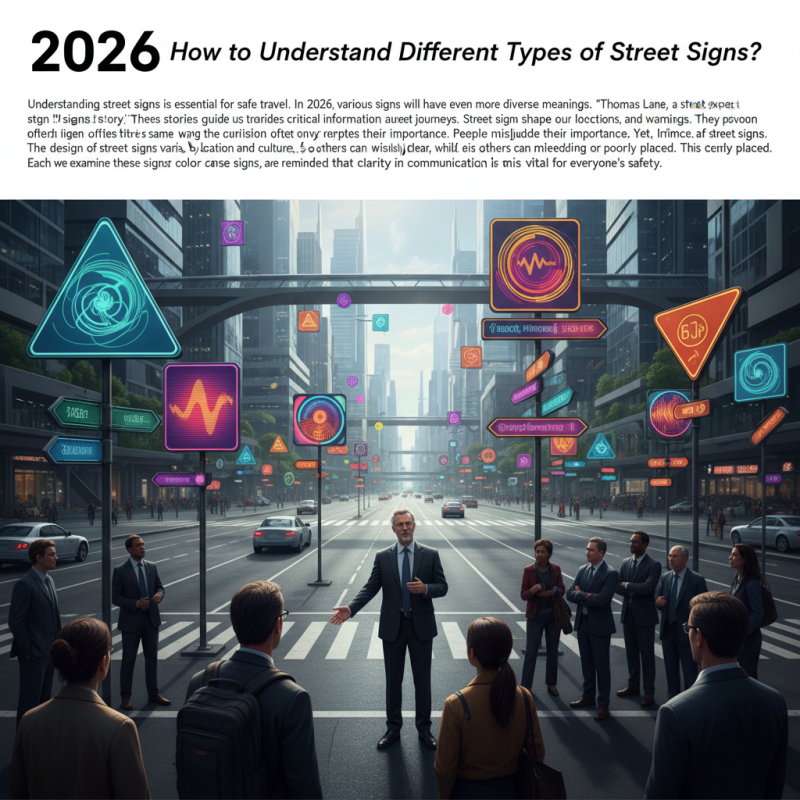
Street signs are essential for navigation. They guide drivers, pedestrians, and cyclists. Different categories of street signs serve various purposes. Understanding these categories helps everyone stay safe on the road.
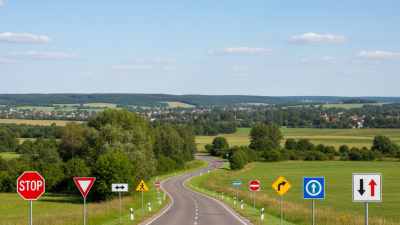
Regulatory signs enforce laws and guidelines. These signs often use bold colors. For example, stop signs are usually red. They indicate where vehicles must halt. Yield signs suggest caution. Drivers should always be prepared to give way. The importance of these signs cannot be understated.
Warning signs alert us to potential hazards. They typically have yellow backgrounds. These signs warn about sharp turns, pedestrian crossings, and construction zones. Information signs, in contrast, provide useful guidance. They can inform us about distance to cities or points of interest. However, confusing signs can lead to mistakes. One must always pay attention. The clarity of these signs is critical for safety on the roads.
Regulatory signs play a crucial role in road safety. They guide drivers and pedestrians about the rules to follow. Common signs include stop signs, yield signs, and speed limit signs. Each one carries an essential message. A stop sign requires vehicles to halt completely. It helps prevent accidents at intersections.
Understanding these signs is vital. Many drivers may overlook them in busy situations. For instance, a speed limit sign might be ignored when rushing. This can lead to dangerous consequences. Being aware of these signals promotes safe driving. They might seem simple, but their impact is significant.
Visualizing a neighborhood can highlight the importance of these signs. Picture a school zone with a speed limit sign. Children are present, so speed limits protect them. Regulatory signs remind us of our responsibilities. Ignoring them can be careless. Reflection is necessary for better understanding. Can we improve our awareness on the road?
| Sign Type | Description | Common Symbols | Example |
|---|---|---|---|
| Stop Sign | Indicates a full stop is required at an intersection. | Red octagon |  |
| Yield Sign | Indicates that a driver must give way to other vehicles or pedestrians. | Red triangle |  |
| Speed Limit Sign | Indicates the maximum speed allowed on a particular stretch of road. | White rectangle with speed number |  |
| One Way Sign | Indicates that traffic must proceed in the direction of the arrow. | White rectangle with an arrow |  |
Warning signs are crucial for road safety. They alert drivers to potential hazards ahead. Recognizing these signs can prevent accidents and save lives. Familiarizing yourself with their shapes and colors can enhance your awareness.
Common warning signs include the yellow diamond shape. This shape alerts you to potential dangers like sharp turns or roadwork. A sign indicating a deer crossing is also a yellow diamond. It warns you to stay vigilant while driving. The black and yellow striped sign signals caution ahead, like a merging lane. Drivers should reduce speed and stay alert.
However, not everyone pays attention to these signs. Many assume they know the road. This can lead to accidents. Reflect on your driving habits. Are you truly aware of the warning signs? Understanding their meaning is essential for safe driving. Pay attention, and encourage others to do the same. Safety is a collective responsibility.
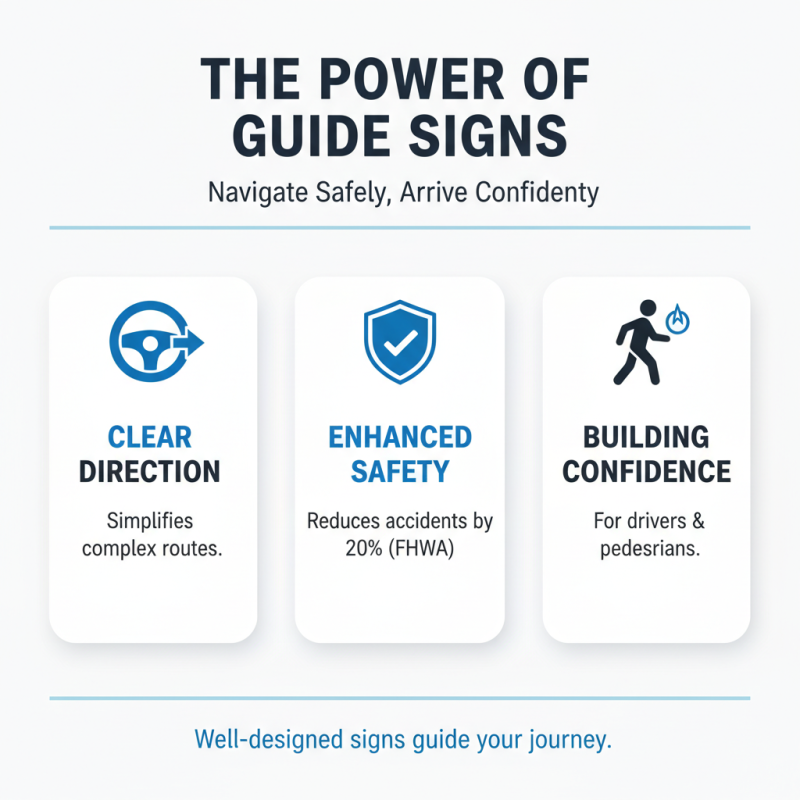
Guide signs play a crucial role in our daily travels. They help us navigate complex routes. According to the Federal Highway Administration, proper signage can reduce accidents by 20%. Well-designed guide signs provide clear directions. Such clarity fosters confidence for drivers and pedestrians alike.
Imagine a situation without effective guide signs. Confusing intersections arise. Drivers may hesitate, increasing the risk of collisions. Studies show that 70% of road users feel uncertain in areas lacking proper guidance. This anxiety can lead to poor decision-making. People might miss exits or make sudden lane changes.
Quality guide signs incorporate both symbolism and text. They must be visible day and night. However, not all cities prioritize these essentials. Budget constraints can lead to deteriorating signs. Some cities invest in flashy designs but neglect basic functionality. This creates confusion rather than clarity. Adopting a balance between aesthetics and practicality is essential for navigating effectively.
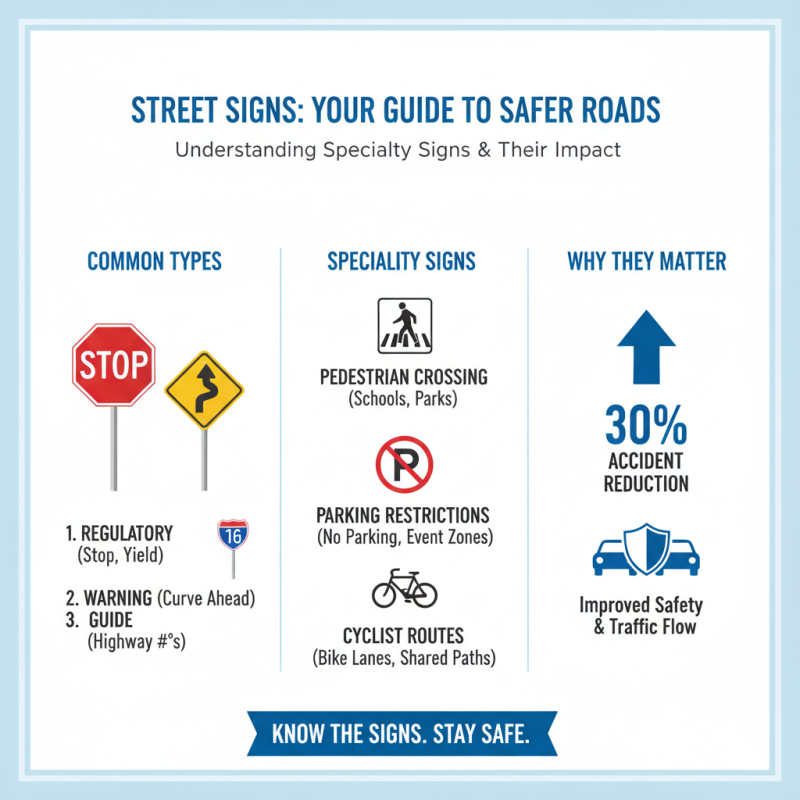
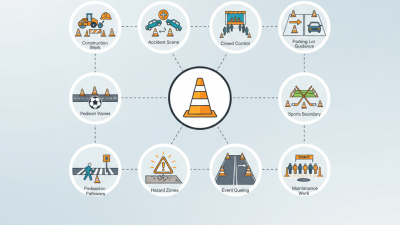
Street signs come in various forms, each serving unique purposes. Specialty signs, in particular, carry specific meanings relevant to certain areas and situations. These signs can include everything from pedestrian crossing indicators to parking restrictions unique to a neighborhood or event. According to a report from the National Cooperative Highway Research Program, effective signage can reduce accidents by up to 30%. This underscores the importance of understanding these signs.
One critical aspect is clarity. Signs with clear symbols are easier to interpret. For example, a specific sign might indicate a shared roadway for bicycles and pedestrians. Understanding these distinctions can enhance safety for everyone. A survey by the Institute of Transportation Engineers revealed that 25% of drivers misinterpret standard signs. Yet, they often overlook specialty signs. This creates potential hazards for those who might be less aware.
Tips: Pay attention to local signs. They often carry information not found in standard guides. For instance, some neighborhoods have unique speed limits during school hours. Additionally, look for temporary signs in recreational areas; they may denote changes due to events or construction. It’s also essential to reflect on your familiarity with these signs. If you find yourself guessing their meanings, consider taking related safety courses. Understanding specialty signage is vital for safe navigation.