SSI Traffic Solutions: Traffic Safety Products in USA and Canada
Traffic Safety Products in USA and Canada

Choosing traffic barrels is a safety decision, not merely a price comparison. The right barrels help drivers read a work zone early, especially when rain blurs lane lines or headlights catch orange plastic at dusk. The wrong ones may tip, fade, or disappear into visual clutter. Small details matter.
The Federal Highway Administration’s Work Zone Facts and Statistics report records 891 work-zone crash fatalities in 2022. That figure does not mean barrels alone prevent crashes. It does show why purchasing decisions deserve care. FHWA’s Manual on Uniform Traffic Control Devices says channelizing devices “are used to warn road users of conditions created by work activities in or near the roadway and to guide road users.” For buyers, that guidance makes visibility, stability, and appropriate use central questions—not optional upgrades.
As traffic-safety expert Dr. David Harkey, president of the Insurance Institute for Highway Safety, has emphasized, road safety depends on choices made before a crash occurs. For traffic barrels, that means checking material, reflective bands, base design, storage needs, and compatibility with the project’s traffic-control plan. Ask how the barrels perform in wind and whether replacement parts are available. Compare more than the catalog photo.
There is no single best barrel for every site. A compact urban street and a windy highway shoulder ask different things of the same product. These ten tips will help you compare options with evidence, ask better supplier questions, and avoid buying on price alone. One caveat: product specifications cannot replace site-specific professional judgment.
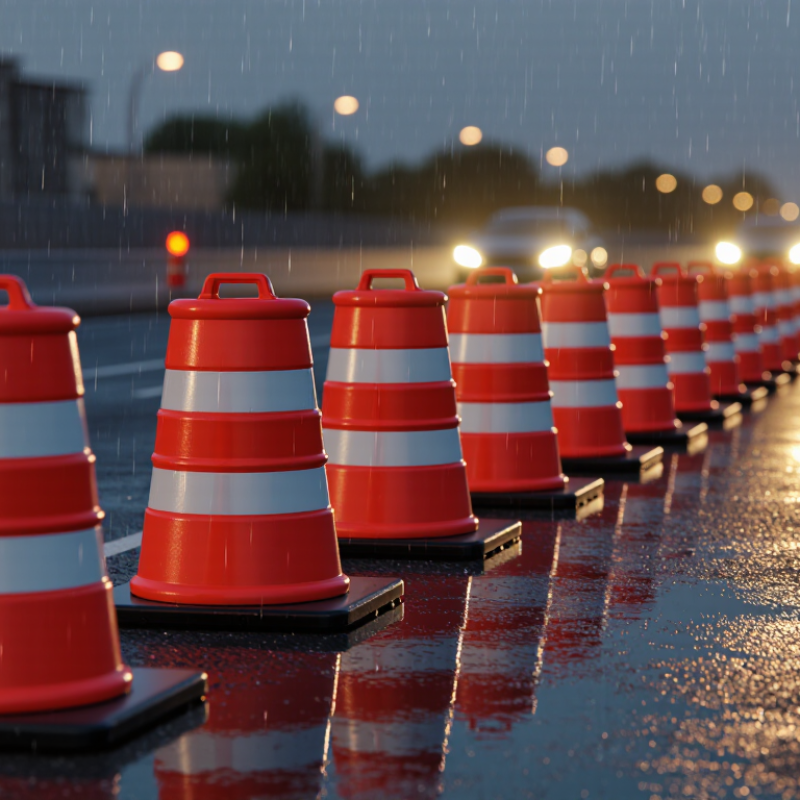
Traffic barrels are portable devices used to guide people and vehicles around temporary hazards. Their bright bodies are easy to spot, while reflective bands help drivers notice them after dark. Many models are hollow and can be filled with water or sand for added stability. Check the product instructions before adding ballast; too much weight can make a barrel difficult to move. Simple, but important.
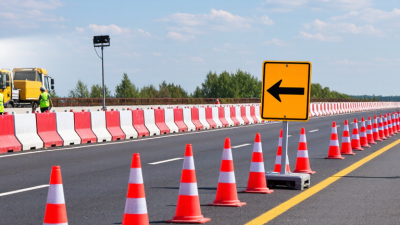
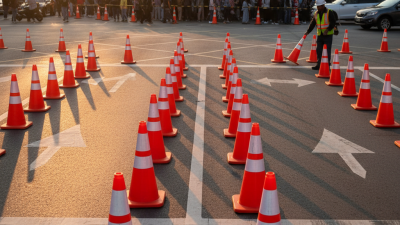
Road crews often place barrels beside lane closures, fresh pavement, or utility work. In parking areas, they can mark blocked spaces and guide cars around delivery zones. Event staff may use them to shape vehicle routes or keep pedestrians away from equipment. Spacing matters. Barrels placed too far apart can leave confusing gaps, while crowded rows may limit access for workers and emergency vehicles.
When comparing options, consider height, base width, material, reflectivity, and how often the barrels will be relocated. A wide base may resist tipping, but it also takes up more storage space. If the barrels will sit outdoors, ask how the material handles sunlight, temperature changes, and repeated impacts. Confirm that the design suits your site’s visibility needs and applicable local requirements. A barrel can look sturdy in a warehouse yet feel awkward on a sloped shoulder, so test handling and stability where it will actually be used.
Choosing a barrel type starts with the worksite, not the catalog photo. For short tasks on firm pavement, molded-plastic traffic barrels with compatible, broad bases are often practical. Crews can move them between shifts. But light units may tip or slide in gusts or near fast-moving traffic. Check that each barrel locks securely onto its base; a loose fit can wobble even on flat ground. Small detail, big nuisance.
For longer setups or exposed roads, heavier bases or water-ballasted barrels may provide more stability. They also take more effort to handle and require a plan for filling, draining, and storage. Extra weight cannot fix poor placement. Uneven shoulders, soft soil, and drainage channels can still leave a barrel unstable. Walk the line after setup, especially after rain or a shift in traffic.
Visibility matters as much as weight. Look for high-contrast reflective bands suited to the lighting and direction of approaching vehicles. Inspect them for dirt, cracks, fading, or peeling. Night work needs a different check than a bright daytime closure. It is easy to overbuy the heaviest option. A manageable barrel that crews place correctly may work better. Confirm dimensions, base compatibility, and applicable work-zone requirements before purchasing, then test a sample at the actual site.
10 Tips for Buying Traffic Barrels
Traffic barrels often look similar online, but their materials behave differently on site. Flexible polyethylene can bend after a light impact and resist cracking in changing weather. Rigid plastic may feel sturdier, yet a hard knock can leave splits or sharp damage. Check the stated temperature range and whether the barrel is designed to rebound. Feel the shell. A thin wall may be easier to move, but it can wear faster around handles and seams. Recycled material can be a sensible option, though consistency varies; ask for product specifications rather than relying on appearance.
Visibility depends on more than a bright orange body. Look for reflective bands that sit flat and remain visible from several angles. Compare band width, placement, and how securely the material is attached. Dust, rain, and road grime can dull reflective surfaces, so consider how easily they can be cleaned or replaced. Check the base. A broad, heavy base can help resist wind and passing vehicle turbulence, but added weight makes frequent repositioning harder. There is no perfect balance.
Before buying, inspect sample barrels for loose seams, uneven molding, and wobbly bases. Ask how the barrel performs after repeated handling and whether replacement parts are available. Sun exposure can fade color over time, even when a product looks vivid in a warehouse. I would not judge durability from one quick squeeze; that test says little about years outdoors. Compare warranty terms, storage needs, and the cost of replacing worn reflective bands. A cheaper barrel may work well for occasional use, but frequent deployment calls for tougher construction.
Before ordering traffic barrels, check the safety standard used by the agency overseeing your road or work site. Requirements can differ by country, state, and project. Ask for the current traffic-control manual or written specifications, rather than relying on a product listing. Confirm the required barrel height, color, reflective bands, and any test or certification records. For night work, inspect how the reflective sheeting appears under headlights, not just in bright warehouse lighting. Small details matter. A faded band may look acceptable indoors but become difficult to see on a wet road.
Local requirements may also specify placement spacing, base or ballast type, and how barrels must be set up near workers or moving traffic. Verify these details with the project owner or local road authority before purchasing. Keep written guidance with your order so the delivered equipment can be checked against it. If a supplier cannot provide clear documentation, pause and ask why; I would not treat a vague claim of “compliant” as proof. Rules and approved specifications can change. That can change. A quick review of the latest requirements is worthwhile, even when replacing barrels that look identical to the old ones.
Check that drums meet these MUTCD minimum dimensions. Local agencies may have additional requirements, so verify the rules for your project location before purchasing.
Dimensions shown in inches. Source: Manual on Uniform Traffic Control Devices (MUTCD), Part 6F. Confirm the applicable edition and local requirements with the road authority.
10 Tips for Buying Traffic Barrels
A reliable supplier should explain how each barrel is made, tested, and packed. Ask for product specifications, sample photos, and recent quality records. Ask for evidence. Check wall thickness, base stability, handle strength, and reflective bands. A barrel that looks bright indoors may be hard to spot in rain or headlight glare. Request a sample and inspect it outside. Look for uneven seams, thin plastic, or bands that wrinkle when pressed.
Compare the full delivered cost, not just the unit price. Freight, minimum order quantities, packaging, and replacement rates can change the real expense. That matters. Ask whether the quoted price includes the selected color, reflective material, and any ballast. Confirm production time and how damaged goods are handled. A supplier who answers clearly is easier to work with, though polished replies alone prove little. Check references where practical, and keep specifications in writing. I would also test a few barrels on the actual site before ordering in bulk. It can feel slower, but the first quote is not always the best value.