SSI Traffic Solutions: Traffic Safety Products in USA and Canada
Traffic Safety Products in USA and Canada

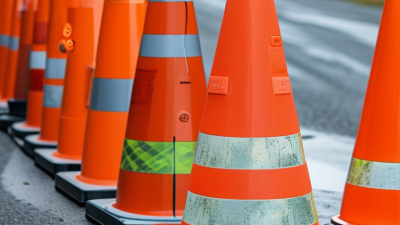
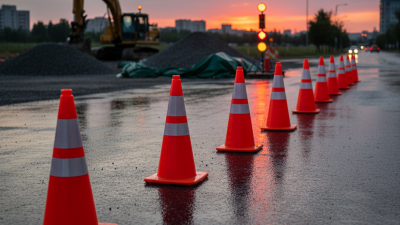
Choosing the right 36 traffic cones requires more than comparing colors, prices, and carton quantities. Global buyers must examine visibility, stability, impact performance, weather resistance, and documented manufacturing quality. A cone beside a wet motorway should remain upright, bright, and recognizable within seconds.
The Federal Highway Administration’s Manual on Uniform Traffic Control Devices, 11th Edition, identifies traffic devices as essential tools for orderly road movement and worker protection. FHWA reported 891 work-zone fatalities in the United States during 2022. That figure gives product selection a human dimension. ASTM D4956 also provides relevant guidance for retroreflective sheeting, while NCHRP Report 350 remains an important reference for roadside safety performance. These sources do not rank every commercial cone. They establish the questions buyers should ask.
Traffic-safety researcher David Shinar offers a useful reminder: “Visibility is the beginning of recognition.” His observation fits a practical purchasing test. Can a driver see the cone through rain, glare, dust, or headlights? Can a warehouse team stack it safely? Will the base resist tipping near a six-lane work zone? This guide compares 36 traffic cones through those real conditions, including height, base geometry, reflective bands, recycled content, temperature tolerance, and quality documentation. Some buyers may overvalue low prices. That is a mistake. Others may assume a heavier base always performs better. Not necessarily. Design details matter. Supplier evidence matters more. The final recommendations therefore balance field experience, recognized standards, independent data, and honest limitations. No cone is perfect. The safest choice depends on the road, climate, traffic speed, and maintenance discipline surrounding it.
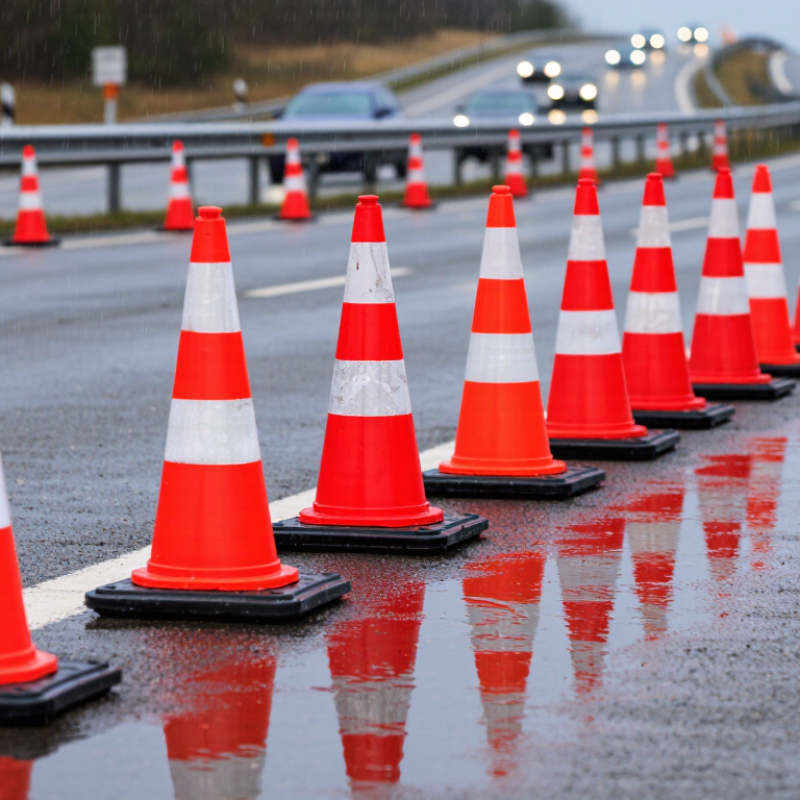
Global buyers comparing the 36 best traffic cones should begin with compliance, not color or price. The Federal Highway Administration’s 2023 Manual on Uniform Traffic Control Devices requires cones to be at least 28 inches high for higher-speed roadway applications. Smaller cones may suit parking areas, warehouses, or low-risk pedestrian zones. They should not be treated as universal substitutes.
EN 13422 focuses on portable road traffic signs and delineators. Its requirements address cone dimensions, stability, visibility, retroreflective performance, and resistance to impact. Buyers should request test evidence for the exact cone configuration, including height, base design, reflective bands, and operating temperature. A cone can pass one market’s expectations and still need review elsewhere. That detail is often missed.
Tips: Match cone height to road speed and exposure. Check whether the reflective material meets the required performance class. Inspect weighted bases after repeated vehicle contact. Keep conformity documents with purchasing records. A simple visual check is not enough. In practice, suppliers sometimes describe products as “EN compliant” without identifying the tested model or revision. That wording deserves questions. Standards also evolve, and an older certificate may no longer provide reliable assurance. Consult the current MUTCD edition, the applicable EN 13422 version, and local road authority rules before approving a global shipment.
| No. | Traffic Cone Profile | Nominal Height | Base Size | Typical Material | Reflective Treatment | Standards Orientation | Recommended Application | Selection Notes |
|---|---|---|---|---|---|---|---|---|
| 1 | Compact indoor cone | 300 mm / 11.8 in | 190 × 190 mm | Flexible PVC | None or optional single band | EN 13422 height range; not suitable for MUTCD roadway use | Warehouses, gyms, indoor pedestrian control | Choose a weighted base if forklifts or carts operate nearby. |
| 2 | Compact fluorescent cone | 300 mm / 11.8 in | 200 × 200 mm | Fluorescent PVC | Single white reflective band | EN 13422 T1-type application; verify local adoption | Parking areas and temporary pedestrian guidance | High-visibility color improves daytime recognition but does not replace lighting. |
| 3 | Portable event cone | 300 mm / 11.8 in | 210 × 210 mm | Recycled PVC or PE | None | General-purpose non-roadway configuration | Events, queues, school grounds | Lightweight construction supports frequent deployment and storage. |
| 4 | Small airport service cone | 300 mm / 11.8 in | 220 × 220 mm | UV-stabilized PVC | Two white reflective bands | EN 13422 T1-type application; airport rules may add requirements | Service lanes and equipment marking | Confirm color, band width, and base weight with the airport operator. |
| 5 | Medium warehouse cone | 450 mm / 17.7 in | 280 × 280 mm | Flexible PVC | Single white reflective band | EN 13422 intermediate-height application | Warehouse aisles, loading bays, private roads | A rubberized base helps reduce sliding on smooth concrete. |
| 6 | Medium parking cone | 450 mm / 17.7 in | 300 × 300 mm | PVC with recycled rubber base | Two reflective bands | EN 13422 intermediate-height application | Car parks and access-control points | Two bands provide better conspicuity during vehicle headlight illumination. |
| 7 | Medium pedestrian-safety cone | 450 mm / 17.7 in | 310 × 310 mm | Soft PVC | High-visibility white band | General temporary traffic-management use | Sidewalk works and pedestrian diversions | Use a larger base in exposed or windy locations. |
| 8 | Stackable maintenance cone | 450 mm / 17.7 in | 270 × 270 mm | PE cone with PVC base | Two reflective bands | EN 13422 intermediate-height application | Facility maintenance and utility compounds | Check nesting clearance to prevent binding during storage. |
| 9 | Standard European road cone | 500 mm / 19.7 in | 300 × 300 mm | Flexible PVC | Two white reflective bands | EN 13422 T2-type height application | Urban roads, temporary lane separation | A 500 mm cone is common for lower-speed temporary traffic control. |
| 10 | Weighted urban road cone | 500 mm / 19.7 in | 320 × 320 mm | PVC with rubber base | Two reflective bands | EN 13422 T2-type height application | Urban construction and road maintenance | Suitable where stability is more important than minimum carrying weight. |
| 11 | High-visibility urban cone | 500 mm / 19.7 in | 300 × 300 mm | Fluorescent PVC | Wide white reflective bands | EN 13422 T2-type height application | Busy streets and public works | Fluorescent pigments are most effective in daylight and under overcast conditions. |
| 12 | Collapsible transport cone | 500 mm / 19.7 in | 300 × 300 mm | Folding PVC or fabric-coated polymer | Two reflective bands | Verify EN 13422 conformity for the complete assembled product | Emergency vehicles and service fleets | Confirm that the deployed cone remains stable and fully visible after folding cycles. |
| 13 | Light-duty 600 mm cone | 600 mm / 23.6 in | 330 × 330 mm | Flexible PVC | Two reflective bands | EN 13422 height between common T2 and T3 selections; verify certification | Low-speed roads and private sites | Use only where the governing road authority accepts the height. |
| 14 | 600 mm weighted work-zone cone | 600 mm / 23.6 in | 350 × 350 mm | PVC with rubber base | Two wide reflective bands | Local temporary-traffic rules should be checked | Industrial yards and controlled work zones | The wider base improves resistance to vehicle turbulence. |
| 15 | 600 mm airport apron cone | 600 mm / 23.6 in | 360 × 360 mm | UV-stabilized PVC | Two high-intensity reflective bands | Airport authority specification required | Aircraft stands and ground-support areas | Use only colors and reflective materials approved for the operating area. |
| 16 | 600 mm lane-divider cone | 600 mm / 23.6 in | 340 × 340 mm | Flexible PVC | Two reflective bands with optional collar | General temporary lane-control configuration | Low-speed lane shifts and parking structures | Do not use as a substitute for an approved vertical panel or barrier. |
| 17 | 28-inch MUTCD roadway cone | 711 mm / 28 in | 355 × 355 mm | Flexible PVC | Two contrasting retroreflective bands | Meets the MUTCD 28-inch minimum height target when all applicable requirements are met | U.S.-style roadway work zones | Verify band dimensions, color, placement, and base requirements under the applicable MUTCD edition. |
| 18 | 28-inch heavy-base roadway cone | 711 mm / 28 in | 380 × 380 mm | PVC with recycled rubber base | Two retroreflective bands | MUTCD 28-inch minimum height target | Urban roadway maintenance | A heavy base supports stability but increases freight and handling weight. |
| 19 | 28-inch fluorescent cone | 711 mm / 28 in | 355 × 355 mm | Fluorescent PVC | Two white retroreflective bands | MUTCD 28-inch minimum height target | Daytime roadwork and lane closures | Fluorescent color supports daytime visibility; retroreflective bands support nighttime visibility. |
| 20 | 28-inch temporary lane-closure cone | 711 mm / 28 in | 360 × 360 mm | Flexible PVC | Two high-intensity retroreflective bands | MUTCD 28-inch minimum height target | Temporary lane closures and tapers | Spacing and taper layout must follow the road authority’s traffic-control plan. |
| 21 | 750 mm European work-zone cone | 750 mm / 29.5 in | 400 × 400 mm | Flexible PVC | Two reflective bands | EN 13422 T3-type height application | Road construction and high-speed approaches | The greater height improves recognition from a longer viewing distance. |
| 22 | 750 mm weighted motorway cone | 750 mm / 29.5 in | 420 × 420 mm | PVC with rubber base | Two wide reflective bands | EN 13422 T3-type height application | Motorway maintenance and exposed work zones | Select base mass according to wind exposure and the national road standard. |
| 23 | 750 mm fluorescent road cone | 750 mm / 29.5 in | 400 × 400 mm | Fluorescent PVC | Two high-intensity reflective bands | EN 13422 T3-type height application | Day-and-night work zones | Use a color and retroreflective class accepted by the purchasing jurisdiction. |
| 24 | 750 mm lane-separation cone | 750 mm / 29.5 in | 410 × 410 mm | Soft PVC with durable base | Two reflective bands and optional top collar | EN 13422 T3-type height application | Temporary lane separation and ramp works | A soft body reduces damage risk during incidental contact. |
| 25 | 900 mm high-visibility cone | 900 mm / 35.4 in | 450 × 450 mm | Flexible PVC | Two wide reflective bands | EN 13422 T3-type height application; verify national requirements | High-speed roads and major construction zones | The larger footprint improves stability but requires more storage space. |
| 26 | 900 mm heavy-duty cone | 900 mm / 35.4 in | 460 × 460 mm | PVC with heavy rubber base | Two high-intensity reflective bands | Road-authority approval should be confirmed before deployment | Wind-exposed work zones and arterial roads | Check lifting limits for manual handling and fleet loading. |
| 27 | 900 mm fluorescent motorway cone | 900 mm / 35.4 in | 450 × 450 mm | Fluorescent PVC | Two wide white reflective bands | EN 13422 T3-type height application | Motorway construction and night operations | Reflective performance should be supported by supplier test documentation. |
| 28 | 900 mm stackable work-zone cone | 900 mm / 35.4 in | 440 × 440 mm | Flexible PVC | Two reflective bands | EN 13422 T3-type height application | Large-scale road maintenance | Specify nesting height and pallet quantity to control shipping costs. |
| 29 | 1000 mm industrial cone | 1000 mm / 39.4 in | 480 × 480 mm | PVC with rubber base | Two reflective bands | Beyond the basic MUTCD minimum; local approval required | Industrial estates and large private facilities | Best for situations requiring extra height rather than compact storage. |
| 30 | 1000 mm airport perimeter cone | 1000 mm / 39.4 in | 500 × 500 mm | UV-stabilized PVC | Two high-intensity reflective bands | Airport and site-specific specification required | Perimeter roads and aircraft-service boundaries | Confirm compatibility with local aviation marking procedures. |
| 31 | 1000 mm high-wind cone | 1000 mm / 39.4 in | 520 × 520 mm | Flexible PVC with weighted base | Two wide reflective bands | Local engineering and traffic-control requirements apply | Bridges, coastal roads, and open sites | A weighted base reduces movement but does not eliminate the need for site assessment. |
| 32 | 1000 mm fluorescent emergency cone | 1000 mm / 39.4 in | 490 × 490 mm | Fluorescent PVC | Two high-intensity reflective bands | Verify the emergency-service and road-authority specifications | Incident response and emergency scene protection | Color coding may be regulated by the purchasing country or agency. |
| 33 | 1050 mm extra-tall cone | 1050 mm / 41.3 in | 520 × 520 mm | Flexible PVC | Two wide reflective bands | Above standard minimums; confirm acceptance before purchase | Large construction compounds and high-visibility boundaries | Extra height can improve visibility but may increase wind loading. |
| 34 | 1050 mm heavy-base cone | 1050 mm / 41.3 in | 550 × 550 mm | PVC with recycled rubber base | Two high-intensity reflective bands | Local authority and site-safety approval required | Permanent or semi-permanent industrial traffic control | Specify base mass, handle design, and lifting method for safe deployment. |
| 35 | Modular cone with warning lamp provision | 750 mm / 29.5 in | 400 × 400 mm | Flexible PVC with reinforced top | Two reflective bands; lamp socket optional | EN 13422 T3-type height application; lamp requirements are separate | Night work and extended lane closures | A lamp, when used, must meet the applicable local lighting and electrical requirements. |
| 36 | Export-ready universal work-zone cone | 750 mm / 29.5 in | 400 × 400 mm | UV-stabilized flexible PVC with rubber base | Two reflective bands, optional high-intensity grade | EN 13422 T3-type configuration; above the MUTCD 28-inch minimum height | International procurement and mixed road environments | Request conformity documents, dimensional drawings, material data, and test reports for the destination market. |
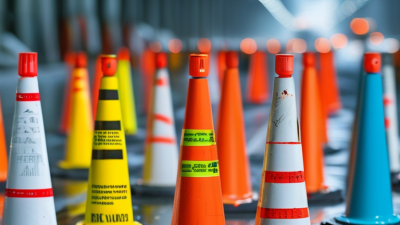
Choosing cones for 36 use cases requires more than comparing height and color. PVC cones suit temporary lane guidance, parking control, school entrances, event queues, and warehouse aisles. Their flexible bodies recover after minor impacts. Rubber-base cones add stability on windy roads, loading areas, construction access points, and uneven pavement.
The base matters more than many buyers expect. A light cone can move several meters before anyone notices.
Collapsible cones fit emergency vehicles, roadside kits, airports, tunnels, and storage-limited facilities. They deploy quickly, but their hinges and fabric collars need regular inspection. LED models improve visibility at night, during rain, and near poorly lit work zones. Retroreflective collars remain important when batteries fail.
According to the U.S. Federal Highway Administration’s 2023 Manual on Uniform Traffic Control Devices, channelizing devices must provide appropriate visibility and consistent traffic guidance. The 2023 Global Status Report on Road Safety also records about 1.19 million annual road deaths worldwide, showing why small visibility choices deserve serious attention.
For the remaining applications, buyers can match cones with weighted bases, reflective bands, sand-fill options, or custom heights. Useful settings include pedestrian diversions, utility work, sports grounds, factory floors, parking garages, public transport stops, and disaster-response staging.
In my field experience, buyers often select the brightest cone and overlook wind loading. That is a costly assumption. Check local standards, temperature resistance, cleaning demands, and replacement access before ordering. No model fits every climate. Even a strong cone can fail when its base is too narrow or its collar is poorly maintained.
What Are the 36 Best Traffic Cones for Global Buyers?
For global buyers, cone safety starts with measurable visibility, not bright color alone. ASTM D4956 evaluates retroreflective sheeting through controlled photometric testing. It examines how effectively reflective material returns light toward a driver’s position. This matters on dark roads, parking areas, and temporary work zones.
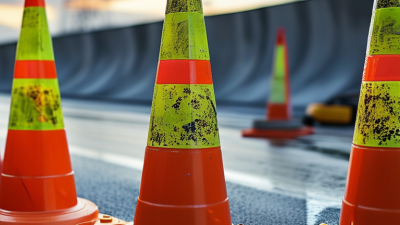
A reliable traffic cone should use reflective bands with documented ASTM D4956 performance. Ask for test reports, material class, observation angles, and entrance angles. These details reveal more than a simple “high visibility” claim. The reflective surface should remain smooth, firmly attached, and clean after repeated handling. Small wrinkles can reduce performance.
360-degree visibility requires additional testing. Place the cone on a rotating platform, then measure reflected light from multiple horizontal positions. Testers should also examine low viewing angles, truck-height headlights, wet surfaces, and partial obstruction. A cone may look bright from the front but disappear from the side. That weakness is easy to miss.
Field experience still matters. Dust, rain, ultraviolet exposure, and frequent stacking can change results. Laboratory data offers confidence, but it is not the whole story. Buyers should compare new samples with weathered samples when possible. Some test methods vary between laboratories, so perfect comparison is not always realistic. The strongest evaluation combines ASTM documentation, independent 360-degree measurements, and practical nighttime inspection.
Nominal traffic-cone heights commonly specified for roadwork, event control, and industrial applications. ASTM D4956 applies to the retroreflective sheeting used on cones; it does not define cone height or certify a complete cone assembly.
For safety-performance comparisons, buyers should verify the sheeting classification, coefficient of retroreflection, color, band placement, and visibility from all four viewing directions. The height values shown are nominal commercial sizes and should be checked against local road-work regulations.
For global buyers, the 36 best traffic cones are not identical; they suit different roads, climates, and handling routines. Height sets visibility: 45 cm cones fit pedestrian areas, while 75 cm models stand out beside faster traffic. In heavy rain, fluorescent color can fade behind spray. That detail is easy to miss. Field checks should happen at dawn, midday, and dusk. My practical preference is a tall cone with a broad base, but compact sites may need lighter units.
Base weight controls stability more reliably than height alone. A 2 kg base often works indoors, while exposed roads may require 4 kg or more. Wind resistance depends on shape, base contact, surface texture, and gust direction. A cone can remain upright in steady wind, then fall during a sharp crosswind. Test it on the actual pavement. Do not trust a catalog number without conditions. Some buyers overestimate weight and underestimate lifting fatigue.
Stackability affects shipping volume, warehouse space, and daily deployment speed. Closely nesting cones reduce freight costs, but overly tight stacks can stick in cold or dusty conditions. Look for smooth interiors and consistent dimensions. Check whether reflective collars snag during separation. A ten-cone stack should lift cleanly without twisting. This is where small manufacturing variation matters. Measurements can be imperfect. Record samples from several cartons before placing a large order. Global comparison should include packaging damage, replacement rates, and worker handling time, not only purchase price.
For global buyers comparing 36 traffic cones, procurement starts with use conditions, not appearance. Check cone height, base weight, reflective bands, material flexibility, and temperature resistance. A cone for a windy highway needs different performance from one used indoors. Request product drawings and recent test reports. Certifications should match the destination market and project requirements. Do not accept a certificate copied from another product.
Pricing needs careful comparison. Ask for EXW, FOB, or delivered pricing in separate lines. A low unit price may hide thin bases, weak collars, or expensive packaging. Calculate the landed cost, including inspection, freight, insurance, duties, and local delivery. I have seen quotes change after carton dimensions were confirmed. That detail is easy to miss. Request samples before approving a large order, even when the sample fee feels inconvenient.
MOQ can range from a few hundred pieces to several thousand, depending on color, molding, printing, and packaging. Confirm whether mixed sizes count toward one MOQ. For shipping, compare pallet loading, carton strength, lead time, and port options. A supplier should provide a production schedule with realistic dates. Verify company registration, factory address, ownership of test documents, production capacity, and bank details independently. A live video inspection helps, but it is not complete proof. Use a pre-shipment inspection with measurable checks, such as height tolerance, base weight, reflective visibility, and drop performance. Keep every approved specification in writing. Suppliers can misunderstand, and buyers can overlook their own assumptions.