SSI Traffic Solutions: Traffic Safety Products in USA and Canada
Traffic Safety Products in USA and Canada

China’s traffic-safety manufacturing base gives wholesale buyers broad access to traffic cone signs, reflective panels, and custom warning systems. The opportunity is substantial, but product selection should begin with field conditions, not catalog prices. FHWA reported 891 work-zone fatalities in the United States during 2022. That figure shows why small visibility details matter.
FHWA guidance stresses retroreflectivity, placement, stability, and clear driver recognition. Its Manual on Uniform Traffic Control Devices, 11th Edition, remains a critical reference for U.S.-focused buyers. European projects may require EN 13422-related specifications. Grand View Research and MarketsandMarkets both identify road-safety equipment as a growing market, supported by infrastructure spending and stricter workplace-safety expectations. Their forecasts differ. That difference deserves attention.
Dr. David Shinar, a respected traffic-safety researcher, wrote, “The driver is the most important component of the traffic system.” His observation applies directly to traffic cone signs. Drivers need readable messages, strong contrast, and enough reaction time. A sign that looks bright inside a warehouse may appear dull beside wet asphalt at dusk. A lightweight cone may pass a basic inspection, yet fail under wind or repeated vehicle turbulence. That assumption is convenient, and sometimes wrong. Wholesale buyers should request photometric evidence, material specifications, test samples, production photos, and batch records. They should also compare print durability, base weight, stacking efficiency, and packaging damage. The best China supplier is not always the cheapest supplier. It is the partner whose traffic cone signs remain visible, stable, and consistent after real-world handling.
China Top Traffic Cone Signs for Wholesale Buyers
What Traffic Cone Signs Are and Why They Matter in Road Safety
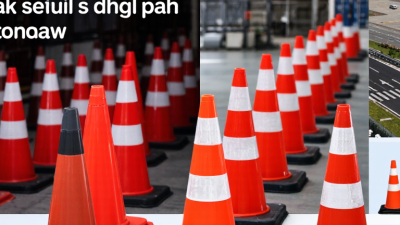
Traffic cone signs are high-visibility panels attached to or placed beside traffic cones. They communicate warnings near temporary hazards, lane changes, maintenance areas, and pedestrian routes. Their bright colors and simple symbols help drivers understand danger within seconds. In practical roadwork, that short reaction time matters.
A reliable cone sign should remain readable in daylight, rain, dust, and low light. Reflective surfaces, weather-resistant materials, stable attachment points, and clear contrast are important. Wholesale buyers should check sign dimensions, printing quality, edge finishing, and compatibility with common cone sizes. During site inspections, I have seen signs look sharp indoors but appear weak under vehicle headlights. That detail is easy to miss. It deserves testing.
Tips:
Request sample units before placing a large order. Test visibility from different distances and angles. Check whether the sign stays secure during strong wind and repeated handling. Ask for material information and inspection records. Packaging also matters, because bent panels create waste and reduce field performance. Local traffic requirements may differ, so confirm symbol use and placement with qualified safety personnel. A cone sign supports a traffic-control plan; it cannot replace proper barriers, lighting, or trained supervision.
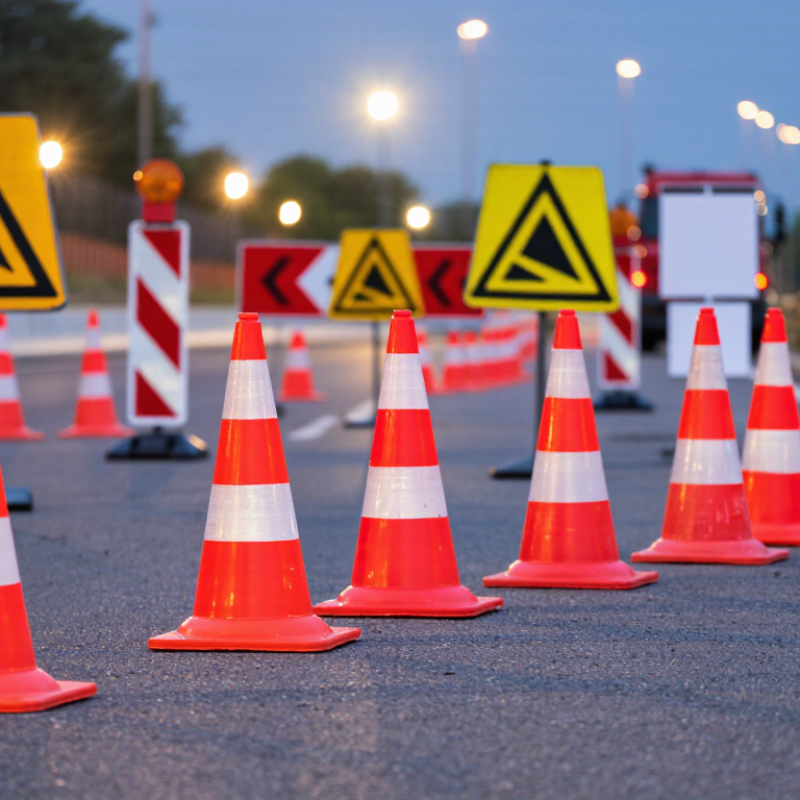
Wholesale buyers should separate cone signs by message, visibility, and installation method. Reflective collar signs suit night lane guidance and temporary work zones. Arrow and chevron signs show drivers where to merge or pass. “Keep Right” and “Caution” toppers deliver clearer instructions at entrances, parking areas, and loading yards. LED cone signs improve recognition in rain, fog, and poorly lit streets. Portable message boards provide more space, but they cost more and need stronger bases.
The FHWA’s 11th Manual on Uniform Traffic Control Devices requires high-visibility traffic control devices for many roadway applications. It also specifies retroreflective features for cones used at night. The WHO Global Status Report on Road Safety 2023 reports about 1.19 million annual road deaths worldwide. That figure makes visibility more than a purchasing detail. It is a safety responsibility. Still, not every reflective strip performs equally. Buyers should request nighttime reflectivity records, UV-aging results, color measurements, and pull-off tests. Some samples look excellent in daylight, then disappoint after storage.
Tips: Ask suppliers for 28-inch and 36-inch samples before placing bulk orders. Check cone weight, stacking space, printing durability, and temperature resistance. Confirm whether signs fit different cone openings. A cheap topper may wobble in strong wind. That small failure can create a serious field problem. Use recognized testing references, such as ASTM or EN requirements, but verify the destination market’s rules. Specification gaps are easy to miss.
For wholesale buyers, material choice affects flexibility, weight, and service life. PVC cones bend well after light vehicle contact. They suit temporary roadwork and warehouse areas. Rubber bases add stability on windy surfaces. Some buyers prefer PE bodies for lighter handling. However, lightweight cones may move too easily outdoors. Check the body and base separately during sample evaluation.
Common heights include 30, 50, 70, and 90 centimeters. Smaller cones work near entrances, parking spaces, and indoor aisles. Taller cones provide stronger visual guidance around traffic lanes. Base dimensions also matter. A wide, heavy base resists tipping on uneven pavement. Measure storage space before ordering large quantities. This detail is often missed.
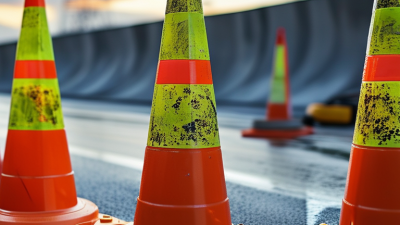
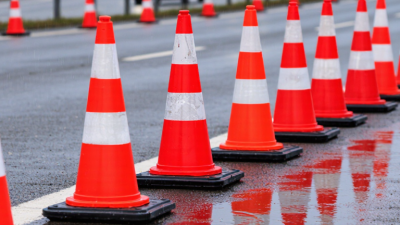
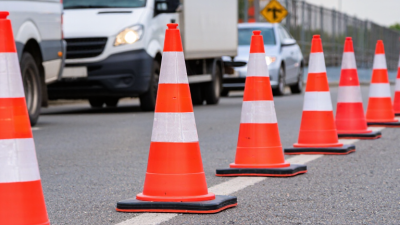
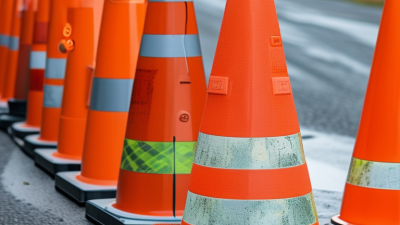
Color affects recognition in changing conditions. Bright orange is widely selected for daytime visibility. Fluorescent yellow-green can attract attention near low-light work areas. White or silver reflective collars improve visibility under headlights.
Reflective performance should be checked at several viewing angles. Ask for material samples, production photos, and batch inspection records.
Color consistency can vary slightly between production runs. That is not always a defect, but it deserves discussion. Printing, molded signs, and attached panels offer different durability levels. Confirm the message size, mounting method, and cleaning requirements before finalizing a wholesale order.
Wholesale traffic cone buying requires more than comparing unit prices. Start by checking the supplier’s production experience, factory capacity, and quality control process. Ask for recent test reports, material specifications, and clear product drawings. Reliable suppliers should explain their inspection steps without avoiding difficult questions. Request samples from the same production line used for bulk orders.
Quality depends on more than bright color. Check cone height, base stability, flexibility, and resistance to cracking in cold weather. Reflective collars should remain visible under headlights and stay firmly attached. Confirm compliance with the standards required in your target market, such as applicable road-safety or visibility standards. I once accepted a sample with a strong base, but the production batch used thinner plastic. That mistake taught me to approve pre-shipment samples, not only early prototypes.
Tips: Compare three suppliers using the same checklist. Ask about resin type, recycled content, mold accuracy, and packaging protection. For custom orders, define color codes, logo placement, collar width, base design, and carton markings in writing. A small color difference can become expensive across thousands of units. Also confirm lead times, replacement policies, and inspection access before paying a deposit. Customization looks simple. It often is not.
China Top Traffic Cone Signs for Wholesale Buyers
Wholesale Ordering, Pricing Factors, and Delivery Considerations
Wholesale buying traffic cone signs from China requires more than comparing unit prices. A reliable order starts with a clear specification sheet. Include cone height, sign message, reflective grade, base weight, color, and printing method. Send a sample drawing before requesting quotations. This prevents a cheap offer from covering the wrong product. Ask suppliers to confirm minimum order quantity, carton dimensions, production capacity, and inspection steps. Keep records. Small details matter.
Pricing usually changes with material thickness, reflective film, mold charges, packaging, order volume, and shipping terms. A quote for 1,000 units may look attractive, yet individual cartons can increase freight costs. Request a landed-cost estimate, not only a factory price. Include sampling, customs processing, insurance, inland transport, and possible storage fees. Payment terms also affect cash flow. Do not assume the lowest bid is the best value. It may omit testing or protective packaging.
For delivery, confirm production lead time separately from transit time. A 20-day production window can become longer during peak seasons or before holidays. Arrange a pre-shipment inspection for color consistency, stable bases, readable signs, and damaged cartons. Build a buffer of seven to fourteen days. Still, delays happen. I would rather promise a realistic arrival date than repeat an overconfident estimate. After receiving the goods, photograph pallet conditions and count cartons immediately. This evidence helps resolve discrepancies and improves the next order.