SSI Traffic Solutions: Traffic Safety Products in USA and Canada
Traffic Safety Products in USA and Canada

Global buyers need more than bright colors when choosing safety cones for roads, warehouses, construction sites, and public events. They need products that remain visible, stable, and recognizable under pressure. A cone beside a wet loading bay faces different risks from one placed on a sun-baked highway shoulder. Material, height, base design, reflective bands, and temperature resistance all influence performance.
Hans Nilsson, a Swedish road-safety expert associated with the Vision Zero movement, stated, “No loss of life is acceptable in the traffic system.” That principle gives safety cones a wider purpose. They do not stop every vehicle. They create an immediate visual warning and help guide human decisions during confusing moments. Good cones support safer behavior without pretending to replace trained personnel, barriers, or clear site planning.
For international buyers, reliable evaluation should include field experience, supplier documentation, and independent testing where available. Look closely at base warping, collar strength, color fading, and reflective performance after repeated handling. A cone may look impressive in a catalog and fail after one harsh season. That happens.
Procurement teams should also consider packing efficiency, product consistency, replacement availability, and the conditions of the destination market. A lightweight cone can reduce shipping costs, yet it may move easily in strong wind. A heavier model offers stability, but storage becomes less convenient. There is no universal winner. The best safety cones balance visibility, durability, compliance expectations, and practical handling for their intended environment. Even experienced buyers can overlook small details, so trial orders and documented inspections remain sensible.
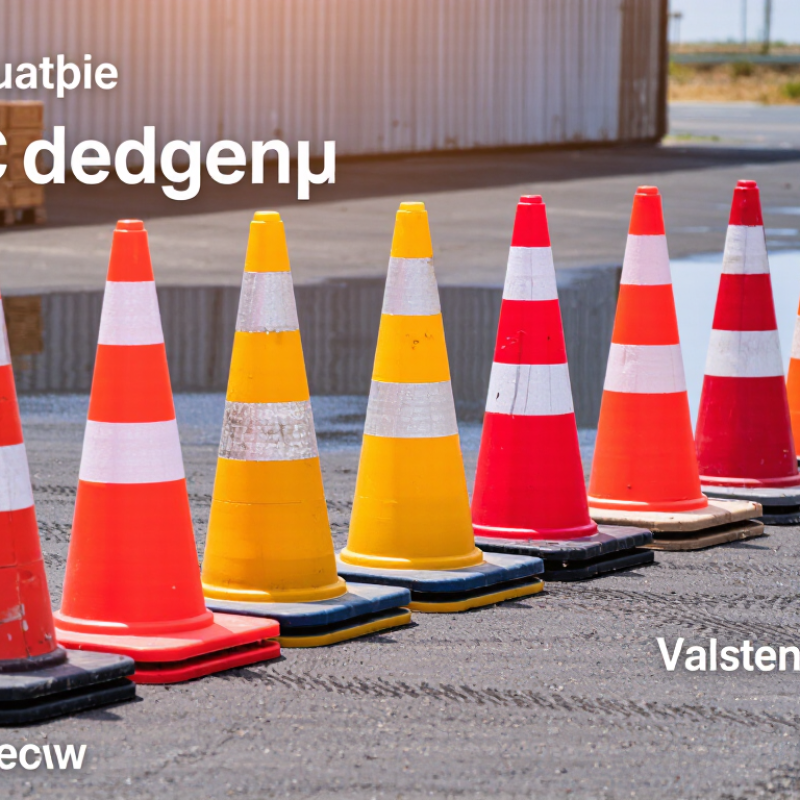
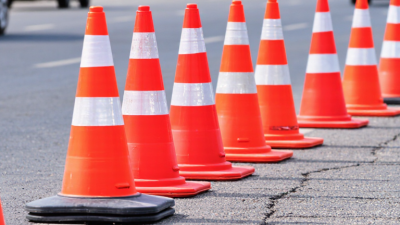
Safety cones are highly visible traffic-control devices used to mark hazards, guide movement, and separate people from vehicles. They usually feature a weighted base, reflective bands, and flexible materials that resist impact. Their purpose is simple: create a clear visual warning before an accident happens.
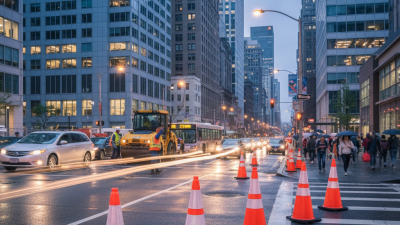
Global applications vary by environment. Road maintenance crews use cones around temporary work areas, while warehouses place them near loading zones, spills, and damaged floors. Airports, construction sites, schools, and public events also rely on them. In practical site checks, stability often matters more than appearance. A tall cone may improve visibility, but a weak base can fail in strong wind. No cone is perfect. Buyers should consider height, weight, color retention, temperature resistance, and storage space. Local workplace and road requirements should guide the final selection, since visibility expectations differ between regions.
Tips: Choose cones with wide bases for outdoor use. Check reflective bands under low light. Ask for material and durability data. Test samples before bulk orders. Also inspect packaging; crushed cones create unnecessary waste. A lower price may look attractive, but replacement costs can be higher.
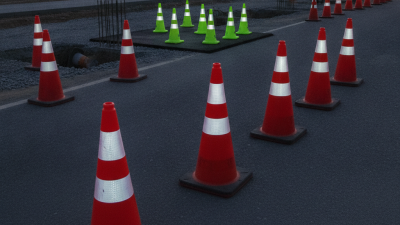
A quality safety cone should remain visible at dawn, during rain, and under vehicle headlights. Bright fluorescent colors help during daylight, while reflective bands improve nighttime recognition. Check whether the bands stay attached after repeated folding, stacking, and outdoor exposure. Loose edges are an early warning.
Material selection matters as much as appearance. Flexible PVC or similar compounds can absorb light impacts without cracking. A wider rubber base improves stability on uneven pavement and windy work areas. The base should also resist warping after long exposure to sunlight. Test it in both cold and hot conditions.
Small details affect daily handling. A molded hand grip makes repositioning easier for site crews. Consistent height and weight support predictable placement. Some cones look sturdy but become brittle within one season. That risk is easy to miss.
Buyers should request impact, UV, and temperature test records from suppliers. Independent inspection adds confidence, especially for large shipments. Still, documents cannot replace a physical sample. Examine the seams, base edges, reflective surface, and rebound after bending.
No cone is perfect. The right choice balances visibility, stability, durability, storage space, and actual working conditions.
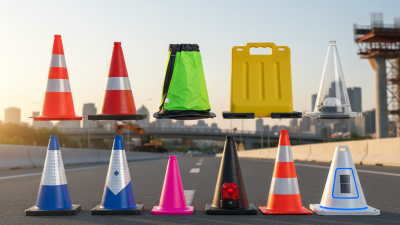
Material selection affects handling, stability, and service life. Flexible PVC cones suit temporary road work and frequent folding. Polyethylene cones are lightweight and economical for indoor facilities. Cones with recycled rubber bases resist wind and vehicle movement better. They are heavier, though. A practical buyer should request material data, base weight, wall thickness, and temperature limits. I once underestimated cold-weather brittleness during product evaluation. The cone looked strong indoors but cracked after outdoor exposure.
Size should match viewing distance and site risk. A 30-centimeter cone works near shelves, entrances, and warehouse aisles. A 45-centimeter model offers broader visibility for parking areas. For roads or large work zones, 70- or 90-centimeter cones are usually easier to notice. Color also matters. International buyers commonly choose high-visibility orange, red, yellow, or fluorescent shades. Reflective collars improve recognition at night, especially under vehicle headlights. Wider bands often create a clearer visual signal, but poor-quality film can peel quickly. Visibility changes fast.
Tips: Compare cones under daylight, rain, and low-light conditions. Check whether reflective bands remain attached after bending and cleaning. Ask for independent test reports, production samples, and packaging details. Confirm dimensions in centimeters and inches to prevent ordering errors. Review local traffic guidance before selecting colors, heights, and reflective patterns. A bright cone is not automatically a safe cone. Surface texture, base stability, and consistent manufacturing also deserve attention.
What Are the Top Safety Cones for Global Buyers?
International compliance should guide cone selection before color or price. The World Health Organization’s Global Status Report on Road Safety 2023 estimates 1.19 million road deaths annually. Clear, visible temporary controls remain essential around vehicles, worksites, and pedestrian routes. Global buyers should check the destination’s required standard, not rely on a universal label.
In the United States, the Federal Highway Administration’s Manual on Uniform Traffic Control Devices, 11th Edition, generally specifies traffic cones at least 28 inches high for roadway applications. It also addresses fluorescent orange color, contrasting stripes, and retroreflective performance. European buyers may require EN 13422 testing for cones and delineators, including visibility, stability, and low-temperature behavior. Australia and New Zealand commonly reference AS/NZS 1906.1 for retroreflective materials. Requirements are not interchangeable.
Ask suppliers for complete test reports.
Review the laboratory scope, test date, material specification, and production batch. A cone that passes daytime visibility tests may still fail after ultraviolet exposure or repeated vehicle impact. The National Highway Traffic Safety Administration reported that 40,901 people died in U.S. traffic crashes during 2023, showing why small compliance details matter. I would not accept “international quality” without jurisdiction-specific evidence. That assumption is convenient, but weak. Also inspect the base: sharp edges, poor ballast, and brittle recycled plastic can create practical risks despite attractive paperwork.
Selected minimum or standardized height benchmarks from major roadwork guidance and standards. Heights are shown in millimeters and should be matched to the road type, traffic speed, visibility requirements, and local authority rules.
The United States, United Kingdom, and Australia use higher cone heights for faster roads or higher-risk locations. EN 13422 defines recognized cone height classes rather than one universal minimum. Buyers should also verify fluorescent color, retroreflective bands, stability, impact performance, labeling, and local certification before purchasing.
References: U.S. MUTCD 11th Edition, Part 6; UK Traffic Signs Manual, Chapter 8; AS 1742.3 Road Traffic Control Devices for Works on Roads; EN 13422-1.
Reliable supplier selection should begin with risk, not price. The World Health Organization’s Global Status Report on Road Safety 2023 estimates 1.19 million annual road deaths worldwide. The U.S. Federal Highway Administration recorded 891 work-zone fatalities in 2022. These figures make cone performance a procurement issue, not a decorative detail.
Global buyers should request product samples, test reports, and batch traceability before placing large orders. Check cone height, base stability, rebound performance, color durability, and retroreflective visibility. Compliance with applicable standards, such as ASTM D4956 or EN 13422, should be verified against the exact product specification. A certificate alone is insufficient. It may cover a different model or production batch.
Ask suppliers how they test ultraviolet exposure, cold temperatures, impact, and repeated handling. Review factory quality procedures, inspection records, and packaging methods. Photos are useful, but physical samples reveal warping and weak bases quickly. I have seen attractive samples fail after rough transport. That mistake is expensive. Supplier communication also matters: clear answers about lead times, replacement policies, and inspection rights suggest stronger operational control. Buyers should still challenge every claim. Reliability is demonstrated through repeatable evidence, not confident language.