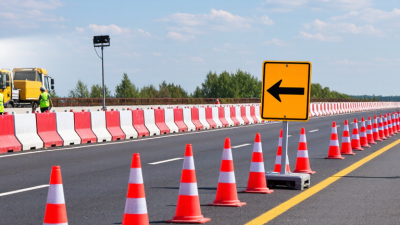
SSI Traffic Solutions: Traffic Safety Products in USA and Canada
Traffic Safety Products in USA and Canada

Choosing traffic safety equipment in 2026 starts with a clear view of the site, not a shopping list. A quiet neighborhood repair job needs different controls from a fast-moving highway shoulder. Cones, channelizing drums, barriers, portable signs, warning lights, and high-visibility garments each serve different purposes. Their usefulness depends on traffic speed, sight lines, weather, work duration, and available space. Small details matter. A faded panel or unstable base can undermine an otherwise careful setup.
Before buying, define who will install the equipment, how often it will move, and where it will be stored. Check product specifications, visibility and durability claims, care instructions, and compatibility with other devices. Confirm that selected products meet applicable local requirements and current project plans; rules and guidance can change. Do not assume one bright color or familiar brand fits every road. Ask suppliers for documentation, replacement-part availability, and realistic delivery times. When practical, inspect samples under the site's lighting and weather conditions. A useful choice is one crews can deploy correctly, inspect quickly, and maintain without guesswork. That sounds simple. It isn't always. Budgets are real, and the ideal setup may not be immediately available. Be candid about that gap, document the tradeoff, and look for a safer alternative rather than treating convenience as proof of adequacy.
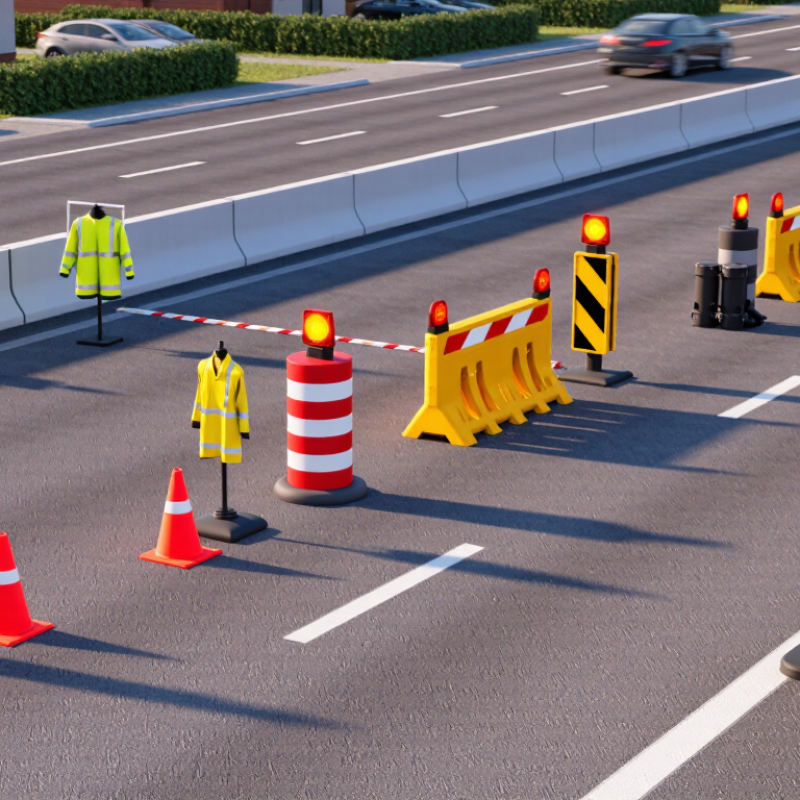
A sound equipment choice begins with a site walk, not a catalogue. Map vehicle speeds, sightlines, turning paths, lighting, and places where workers or pedestrians cross. Note what changes between a quiet morning and a busy afternoon. The Federal Highway Administration reported 891 people killed in work-zone crashes in 2022. That figure makes exposure worth assessing before selecting barriers, signs, cones, or visibility gear.
Identify who will use the space: drivers, road crews, cyclists, delivery workers, or children near a school entrance. Their height, mobility, attention, and expected route affect what they can see and reach. The National Highway Traffic Safety Administration estimated 7,314 pedestrian deaths in 2023. Check whether signs are visible from a driver’s approach and whether accessible paths remain clear. Small details matter.
Match controls to specific risks. A narrow lane beside fast traffic may need stronger separation than a low-speed parking area; poor night lighting may call for reflective devices and better illumination. FHWA’s work-zone statistics offer useful context, but national totals cannot predict one site’s hazards. Walk the route at different times, then ask workers where drivers actually drift. Plans can be wrong. Recheck equipment after weather, layout changes, or shifts in traffic patterns.
Choosing traffic safety equipment starts with the location, not a standard kit. Walk the site at the times people will use it. Note vehicle speed, traffic volume, sightlines, road width, and nearby driveways. Look at the edges. A bend, crest, or parked delivery truck can hide a work zone until drivers are close. Record where pedestrians cross and whether a clear, continuous route remains available.
Match equipment to the hazards. Cones or delineators can guide traffic through a short, visible work area, while sturdy barriers may be needed where workers face moving vehicles. Signs should give drivers time to react, and lights can help mark boundaries after dark. Visibility changes fast. Rain, glare, shadows, and road spray may make reflective surfaces harder to see than expected. Check the setup from a driver’s approach, not just from the sidewalk.
Consider how long the work will last and who must maintain the equipment. A layout that looks clear at noon may be confusing at dusk. Keep checking. Revisit the site after traffic patterns change, and adjust equipment when access, weather, or work boundaries shift. Local traffic-control requirements and a qualified site assessment should guide final placement. I’ve found that small access details are easy to miss on a first walk-through.
| Location or Situation | Key Hazards to Assess | Typical Equipment to Consider | Selection and Placement Guidance | Important Checks |
|---|---|---|---|---|
| Urban street work zone | Workers near moving traffic, lane closures, intersections, driveways, and people walking or cycling. | Temporary traffic signs, channelizing devices such as cones or drums, barricades where appropriate, high-visibility apparel, and temporary pedestrian-routing devices. | Use a traffic-control layout suited to the street, speed, sight distance, work activity, and duration. Keep pedestrian routes accessible and clearly separated from work and vehicle areas. | Follow the traffic-control plan and the current standards adopted by the road authority. Check that signs and devices remain visible and stable. |
| High-speed road or highway work | High approach speeds, limited reaction time, long stopping distances, and worker exposure to live traffic. | Advance warning signs, channelizing devices, appropriate barriers when specified, arrow boards or other approved warning devices where required, and high-visibility apparel. | Have a qualified person select the layout and device spacing for the road, work activity, and site conditions. Do not treat a generic device spacing as suitable for every road. | Use the applicable agency work-zone requirements. Inspect devices for damage, visibility, and displacement, especially after weather or traffic impacts. |
| Pedestrian detour or sidewalk closure | People entering the work area, inaccessible routes, conflicts at crossings, and trip or fall hazards. | Pedestrian channelization, barricades or fencing where appropriate, clear detour signs, accessible temporary surfaces or ramps when needed, and suitable lighting in low-light conditions. | Provide a continuous, clearly marked route that accounts for people with disabilities. Keep the route free of obstructions and direct pedestrians to safe crossing points. | Check applicable accessibility requirements and local rules. Inspect the route frequently for barriers, surface changes, and blocked access. |
| School zone or crossing area | Children crossing, driver distraction, school arrival and dismissal traffic, and reduced visibility. | Regulatory and warning signs as authorized, crossing markings where specified, approved crossing-control devices, and high-visibility apparel for crossing personnel. | Coordinate placement and operating times with the road authority or school. Keep signs and crossing points visible and avoid creating conflicts with driveways or other crossings. | Use only devices and sign messages permitted by the responsible jurisdiction. Confirm that temporary controls do not contradict permanent traffic controls. |
| Parking lot, loading area, or private access road | Vehicle backing, pedestrian movement, delivery activity, blind spots, and vehicle-pedestrian conflicts. | Directional and warning signs, pavement markings, wheel stops or barriers where suitable, mirrors where permitted, and high-visibility apparel for workers directing traffic. | Separate pedestrian paths from vehicle routes where practicable. Position signs and barriers so they do not obstruct sight lines or emergency access. | Confirm property rules and local fire-access requirements. Review the layout when traffic patterns or loading operations change. |
| Night work or poor-visibility conditions | Reduced driver detection, glare, shadows, wet pavement, and difficulty distinguishing workers from the background. | Retroreflective signs and channelizing devices, suitable temporary lighting, and high-visibility apparel appropriate to the work and traffic exposure. | Aim work lighting to illuminate the task without creating excessive glare for road users. Check the setup from approaching drivers’ viewpoints. | Inspect lighting and reflective materials during the shift. Replace damaged or obscured devices and reassess conditions in rain, fog, or other reduced visibility. |
| Roadside emergency or short-duration incident | Sudden traffic queues, responder exposure, changing scene boundaries, and approaching vehicles. | Warning lights on authorized vehicles, cones or other suitable channelizing devices, temporary warning signs where appropriate, and high-visibility apparel. | Establish a protected work area as soon as conditions allow. Adapt the setup as the incident changes and keep responders, equipment, and the public separated where practicable. | Follow incident-command direction and agency procedures. Remove temporary controls when they are no longer needed and it is safe to do so. |
| Planning note: Equipment needs depend on road type, traffic speed and volume, work duration, visibility, pedestrian access, and local rules. This table is a selection aid, not a substitute for an approved traffic-control plan. Check the current edition of the MUTCD where applicable, state or local supplements, and relevant workplace-safety requirements before deployment. | ||||
How to Choose Traffic Safety Equipment in 2026
Check standards before comparing price. For garments, verify the applicable ANSI/ISEA 107 performance class; for reflective sheeting, check its ASTM D4956 type. Requirements vary by task and location, so confirm current local specifications. NHTSA’s 2022 Traffic Safety Facts recorded 7,522 pedestrian deaths in the United States. That figure makes visibility a practical selection factor, not a cosmetic extra. Small details matter.
Assess visibility from the driver’s approach, not just up close. Check whether reflective panels remain clear when equipment is mounted, and whether signs can be read at the actual approach distance. For durability, review resistance to UV exposure, rain, road salt, abrasion, and temperature changes. A standard label helps, but it cannot tell you whether a sign’s base will stay stable on uneven pavement. Compatibility matters too: confirm that brackets fit, lights do not block reflective surfaces, and devices work with the site’s vehicles and storage space.
Tips: Inspect a sample outdoors at dusk, then check seams, fasteners, and reflective surfaces after cleaning. Keep a record of defects and replacement dates. One checklist weakness is easy to miss: teams may verify the product but overlook how it will be installed and maintained.
Traffic-control equipment should match the hazard, road speed, work duration, and people moving through the area. For a short daytime lane shift, cones create a clear taper and are easy to reposition. On faster roads or in windy conditions, larger channelizing drums or sturdy delineators are easier to see and less likely to tip. They also take more storage space. That matters.
Use signs to explain what cones cannot: a lane closure ahead, a speed change, or a detour. Place them early enough for drivers to react, then repeat them near turns or merges. At night, reflective surfaces and warning lights improve visibility, but lights do not replace clear signs. For long queues, an arrow board can show which lane remains open. For pedestrian routes, rigid barricades with detectable edges often guide people better than tape or cones. Keep accessible paths continuous.
At intersections, temporary signals or trained flaggers may help when sight lines are short or traffic alternates through one lane. Choose barriers when workers need physical separation, not just visual guidance. Their placement should suit the site and be checked by a qualified traffic-control professional. Inspect equipment after setup and after severe weather. A shifted sign can undo a sound layout. Plans do not always look as clear on pavement as they do on paper. That deserves a second look.
How to Choose Traffic Safety Equipment in 2026
Plan installation around road speed, work duration, visibility, and pedestrian access. NHTSA’s Traffic Safety Facts: 2022 Data reports 891 work-zone deaths in the United States that year. That figure cannot predict risk at one site, but it underscores why setup deserves careful checks. Follow the approved traffic-control plan, then inspect it from an approaching driver’s viewpoint. Check sign sight lines, device spacing, reflective faces, and stable bases. Keep accessible routes clear. Small shifts matter.
Name the staff responsible for inspections at shift changes, after severe weather or impacts, and before reopening. FHWA work-zone guidance calls for monitoring and adjusting temporary traffic control as conditions change. Log each defect, location, inspection time, and repair; add photos when useful. Replace cracked reflective sheeting, tilted delineators, and damaged barrier connections promptly. Keep spares nearby. A checklist helps, but it may miss a cone hidden behind a parked truck.
Review recurring faults weekly. If a sign repeatedly turns in the wind, change its placement or mounting instead of recording the same problem again. Schedule cleaning, battery checks, and repairs before equipment fails. Maintenance plans can look tidy on paper and still slip during a rushed handover; allow time for that reality.