SSI Traffic Solutions: Traffic Safety Products in USA and Canada
Traffic Safety Products in USA and Canada

Traffic safety affects every road user, from a child crossing a busy street to a logistics team managing a warehouse entrance. For global buyers, choosing the right products requires more than comparing prices. Visibility, durability, installation, maintenance, and local conditions all matter. A reflective vest that works well in dry daylight may perform poorly during heavy rain or nighttime work.
This guide introduces ten practical traffic safety products used across roads, construction zones, parking areas, and industrial sites. The list includes traffic cones, reflective barriers, warning signs, LED beacons, speed bumps, delineator posts, convex mirrors, road studs, wheel stops, and protective barriers. Each product serves a different risk-control purpose. Small details matter, such as cone weight, sign legibility, battery life, and resistance to ultraviolet exposure. Buyers should also review testing reports, material specifications, supplier experience, and after-sales support before placing large orders.
No ranking is universally perfect. A rural road authority may need durable delineators, while a warehouse operator may prioritize mirrors and impact barriers. Local regulations, climate, road design, and installation practices can change the final decision. Product claims should be verified through reliable documentation, not attractive photographs alone. Even experienced buyers can overlook replacement costs or storage space. That weakness deserves attention. By examining practical performance and supplier reliability together, global purchasers can build safer, more adaptable traffic safety programs without selecting products that merely look impressive.
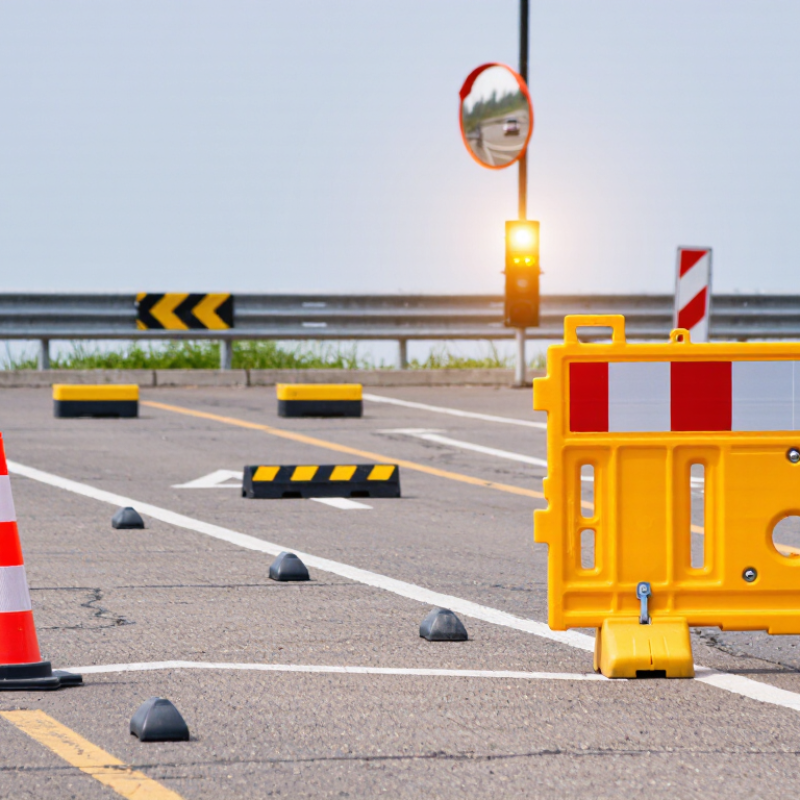
Traffic safety products are physical tools that guide movement, warn road users, and reduce collision risks. Their purpose extends beyond visibility. They create predictable paths around roads, warehouses, parking areas, construction zones, and public facilities.
Common product categories include traffic cones, flexible delineator posts, water-filled barriers, warning signs, reflective road studs, speed humps, convex safety mirrors, temporary signal lights, high-visibility clothing, and wheel stops. Each item serves a different control point.
A cone marks immediate danger. A barrier separates people from moving vehicles. A mirror improves sight distance at a blind corner.
Global buyers usually assess visibility, impact resistance, weather performance, installation time, and storage space. Materials must tolerate intense sunlight, heavy rain, freezing conditions, or coastal salt. Reflective surfaces should remain readable at night. Small details matter. A narrow base may tip in strong wind.
During practical site reviews, buyers often discover that one product cannot solve every traffic problem. A bright sign may still fail when placed behind vegetation. A strong barrier may create a new access issue. That deserves attention.
The global market includes municipal projects, logistics centers, airports, schools, retail sites, and private industrial facilities. Procurement teams also compare packaging, container efficiency, replacement parts, and local compliance requirements. Standards differ across regions, so technical documents and test records should be checked carefully. Lower purchase prices can become expensive when products fade, crack, or require frequent replacement.
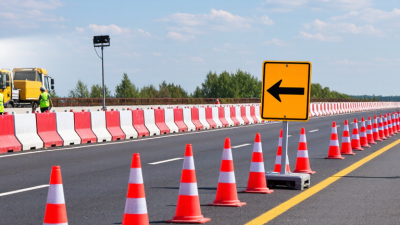
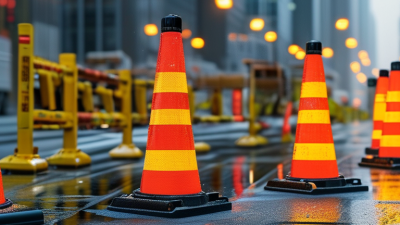
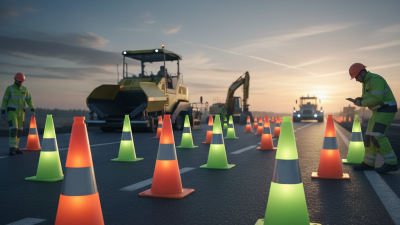
Across continents, the same ten traffic safety products protect road users in different conditions. Traffic cones mark temporary hazards near construction zones and busy intersections. Delineator posts guide drivers through curves, narrow lanes, and changing road layouts. Water-filled barriers separate vehicles from workers while absorbing limited impact energy. Reflective safety vests make maintenance crews visible during daylight and darkness.
Warning triangles alert approaching drivers when a vehicle stops unexpectedly. LED beacons provide bright signals at crossings, work areas, and emergency scenes. Speed humps reduce vehicle speed near schools, clinics, and residential streets. Pedestrian crossing signs give walkers a clear visual priority. Raised road studs improve lane visibility when headlights meet wet pavement. Portable traffic lights manage one-way movement during road repairs.
Field experience shows that product selection depends on climate, traffic volume, road width, and maintenance skills. A lightweight cone may work well in a sheltered city street but fail in strong coastal wind. Reflective materials also lose performance when dirty or poorly positioned. Small details matter. Clean lenses. Secure bases. Visible colors.
No product is perfect. Even a strong barrier can create new risks if installed without enough space. Buyers should check material quality, visibility, impact performance, replacement access, and local road requirements. Independent testing and documented specifications offer more reliable guidance than appearance alone. I have found that simple equipment often performs best when workers inspect it regularly and use it exactly as designed.
| Rank | Traffic Safety Product | Primary Safety Function | Common Materials | Typical Specifications | Typical Applications | Key Buying Considerations |
|---|---|---|---|---|---|---|
| 1 | Traffic Cones | Guide drivers and separate traffic from work areas. | Flexible PVC or recycled rubber base with reflective bands. | Common heights include approximately 300–1000 mm; weighted bases improve stability. | Road works, lane closures, parking areas, and emergency response. | Height, wind resistance, base weight, reflective performance, and local road regulations. |
| 2 | Road Safety Barriers | Create a physical boundary and protect road users or work crews. | High-density polyethylene, water-filled plastic, steel, or concrete. | Modular lengths commonly range from about 1–2 m; some units accept water or sand ballast. | Construction zones, temporary diversions, events, and pedestrian protection. | Interlocking design, ballast capacity, impact behavior, portability, and drainage features. |
| 3 | Flexible Traffic Delineator Posts | Mark road edges, hazards, and temporary traffic channels. | Polyurethane, polyethylene, rubber, and reflective sheeting. | Common heights are approximately 750–1200 mm; fixed, surface-mounted, or portable bases are available. | Road shoulders, medians, traffic islands, tunnels, and temporary work zones. | Flexibility after impact, base compatibility, reflective area, UV resistance, and visibility distance. |
| 4 | Warning and Regulatory Road Signs | Communicate hazards, restrictions, directions, and mandatory instructions. | Aluminum or galvanized steel panels with retroreflective sheeting. | Circular, triangular, rectangular, and diamond formats; size depends on road class and viewing distance. | Urban roads, highways, school zones, construction areas, and private facilities. | Local sign shapes, color codes, retroreflectivity, corrosion protection, mounting method, and language requirements. |
| 5 | Warning Lights and Temporary Beacons | Provide conspicuous visual warnings in low-light or high-risk conditions. | Polycarbonate or ABS housing, LEDs, batteries, and weather-resistant seals. | Flashing or steady modes; models may use rechargeable, replaceable, solar, or vehicle power. | Road works, breakdown vehicles, barriers, bridges, tunnels, and emergency scenes. | Light intensity, flash pattern, battery runtime, ingress protection, mounting options, and operating temperature. |
| 6 | Raised Pavement Markers and Road Studs | Improve lane and road-edge visibility, especially at night or in rain. | Glass, ceramic, aluminum, or durable polymer housings with reflective elements. | Reflective or internally illuminated designs; installation may be adhesive, bitumen-fixed, or mechanically anchored. | Lane lines, curves, medians, intersections, toll roads, and airport pavements. | Retroreflectivity, load resistance, wet-weather performance, road-surface compatibility, and installation method. |
| 7 | Speed Humps and Speed Cushions | Reduce vehicle speeds in areas with pedestrians or vulnerable road users. | Recycled rubber, molded rubber, asphalt, concrete, or modular polymer sections. | Height and length vary by design; modular units often include reflective markings and bolt-down fittings. | Residential streets, school zones, parking areas, hospitals, and industrial sites. | Target speed, drainage, noise impact, vehicle clearance, anchoring system, and compatibility with local traffic-calming rules. |
| 8 | Guardrails and Crash Barriers | Redirect or contain vehicles that leave the roadway. | Galvanized steel, concrete, or engineered safety barrier systems. | System height, rail profile, post spacing, terminals, and transitions depend on the tested design. | Highways, bridges, embankments, medians, curves, and roadside hazards. | Crash-test performance, containment level, working width, deflection, corrosion protection, and approved components. |
| 9 | Pedestrian Safety Barriers | Separate pedestrians from vehicles and guide foot traffic safely. | Powder-coated steel, galvanized steel, aluminum, or durable plastic. | Modular panels commonly use interlocking feet or fixed posts; height and gap design vary by application. | Sidewalks, crossings, transit stations, stadiums, parades, and construction sites. | Stability, crowd-load resistance, anti-trip feet, accessibility, corrosion protection, and ease of relocation. |
| 10 | Temporary Road Marking Tape and Reflective Markings | Define temporary lanes, work-zone boundaries, and directional paths. | PVC, polyurethane, rubber-based compounds, glass beads, and pressure-sensitive adhesives. | Available in various widths, colors, reflectivity levels, and removable or durable adhesive formats. | Temporary lane shifts, warehouse roads, parking facilities, airports, and maintenance projects. | Application temperature, removal performance, skid resistance, nighttime visibility, surface adhesion, and service life. |
Note: Product dimensions, colors, reflectivity levels, and performance requirements vary by road authority and national standards. Buyers should verify local specifications before procurement.
Traffic safety products must match road conditions, user behavior, and maintenance capacity. In field inspections, I often assess visibility before appearance.
Reflective traffic cones guide vehicles around temporary work zones. They need weighted bases and flexible bodies. Water-filled barriers separate traffic from workers and pedestrians. Their modular design supports quick layout changes. Flexible delineator posts mark lane edges, islands, and narrow entrances. Solar warning lights improve night visibility, especially near sudden lane shifts.
Speed humps reduce vehicle speed near schools, crossings, and private roads. Their height, color, and surface pattern require careful planning. Raised pavement markers provide lane guidance during darkness or rain. Warning beacons attract attention at crossings, junctions, and construction areas. Solar-powered units can reduce wiring needs, but cloudy weather may affect performance.
Variable message signs display temporary instructions, closures, and hazard alerts. Clear wording matters more than excessive information. Pedestrian barriers create controlled walking paths and protect people near traffic. Weak anchoring can undermine their purpose.
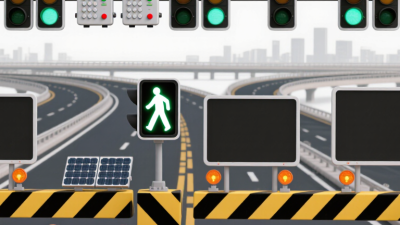
Portable traffic signals manage one-lane operations during repairs or bridge maintenance. They require dependable batteries, visible lenses, and trained operators. Wheel stops control parking positions and protect walls, loading areas, or equipment.
Buyers should check material durability, cleaning needs, replacement parts, and local compliance. A product may perform well in a dry climate but fail under frost, salt, or heavy rain.
No item is perfect. Even a bright warning device becomes ineffective when poorly positioned. Regular inspections remain essential, although they are often delayed. That practical gap deserves more attention.
Global buyers usually compare ten traffic safety products: cones, water-filled barriers, delineator posts, drums, warning signs, speed humps, convex mirrors, LED beacons, road studs, and portable signals. Quality begins with material performance. Buyers should check UV resistance, impact recovery, ballast stability, visibility, and replacement rates. A bright product may still fail after months of heat, rain, and dust.
Compliance is not one global checklist. The U.S. FHWA Manual on Uniform Traffic Control Devices provides detailed guidance for signs, markings, and work zones. European buyers may reference EN 12899 for signs, EN 13422 for cones, EN 1317 for barriers, and EN 12352 for warning lights. ASTM D4956 is also widely used for retroreflective sheeting. The World Health Organization reported about 1.19 million annual road deaths in its Global Status Report on Road Safety 2023. That figure explains why traceable testing matters. Yet certificates alone are not enough. Inspect the actual batch.
Cost needs a lifecycle view. A low-priced cone can crack early, lose reflectivity, and create repeated freight costs. Water-filled barriers may cost more initially but reduce installation labor. Portable signals need battery and maintenance calculations, not only unit-price comparisons. In field purchasing, buyers should request test reports, material declarations, warranty terms, spare-part availability, and delivered-cost quotations. The comparison is imperfect. Local weather and road design can change the result. Quality is measurable, but value still requires judgment.
This comparative benchmark evaluates ten widely purchased traffic safety product categories using three practical global procurement dimensions: expected product quality, compliance readiness, and cost efficiency. Scores range from 0 to 100; higher cost-efficiency scores indicate better value for routine purchasing. Actual compliance depends on the destination market, applicable standards, product specifications, and test documentation.
Global buyers commonly source cones, water-filled barriers, delineators, warning signs, barricade lights, safety vests, speed bumps, convex mirrors, wheel stops, and temporary fencing. The product list is only the starting point. A cone for a tropical port needs different flexibility than one used in a cold warehouse. Ask for material grades, UV resistance, temperature ranges, reflective performance, and measured dimensions. Photos are not enough.
Check compliance with the destination’s road and workplace requirements before ordering. Request test reports, inspection records, product drawings, and sample units. Confirm whether markings, colors, language, and plug specifications fit the local market. Packaging also matters. A crushed sign or leaking barrier creates hidden costs. Clarify carton strength, pallet treatment, spare parts, lead time, minimum order quantity, and delivery terms in writing. Independent pre-shipment inspection can reveal weak welds, poor ballast design, or fading reflective film.
Price deserves careful interpretation. A low quotation may exclude testing, inland transport, or replacement units. Compare total landed cost, not unit price. Use a small pilot order on a busy road or loading area. Measure visibility at night, stability in wind, and worker handling time. Some procurement plans still overvalue certificates and undervalue field feedback. That is a mistake worth revisiting. No product performs perfectly in every climate, so record failures honestly and adjust the next order.