SSI Traffic Solutions: Traffic Safety Products in USA and Canada
Traffic Safety Products in USA and Canada

Traffic cones are familiar on roads, work sites, parking areas, and event grounds. Their simple shape can hide important differences in material, weight, visibility, and storage. For global buyers, choosing the right type means looking beyond color and price. A cone used beside a busy road may need different features from one guiding vehicles through a temporary parking area.
This guide introduces ten common types of traffic cones, including reflective, collapsible, weighted-base, and specialty designs. It explains how features such as flexible bodies, broad bases, reflective bands, and carrying handles can affect everyday use. Small details matter. A cone that tips in wind or folds awkwardly into a vehicle can complicate routine work. Buyers should also check product dimensions, material descriptions, and available visibility options before comparing suppliers. Specifications and expectations can vary by market and application, so product information deserves careful review rather than guesswork.
No single cone suits every setting. That is easy to forget when comparing product photos. The best choice depends on where the cone will be placed, how often it will move, and how clearly people must see it. This overview offers a practical starting point, not a substitute for checking site requirements. Some trade-offs remain: a heavier cone may stay put more reliably, while a lightweight model may be easier to carry. Understanding those differences helps buyers ask better questions and select traffic cones that fit their actual working conditions.
For global buyers comparing traffic cones, the MUTCD 11th Edition offers a useful baseline for U.S. work zones. It sets an 18-inch minimum height for cones, with a 28-inch minimum for freeways, expressways, and other high-speed roadways. These dimensions help drivers see channelizing devices sooner, especially when traffic moves quickly. They are not universal requirements, so buyers should confirm the rules used by the project’s local authority.
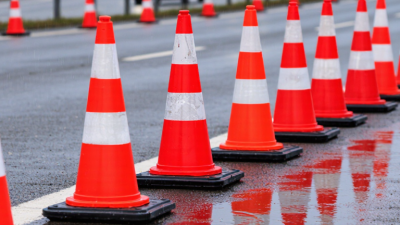
Height is only one part of a cone’s performance. Check that the color is clearly visible and that any required reflective bands suit nighttime or low-light use. A broad, stable base can help a cone stay upright when trucks pass or gusts sweep across an open shoulder. Feel the material, too: a cone should flex when struck, rather than behave like a rigid post. Small differences matter.
A height number alone can still mislead. A 28-inch cone may meet a dimensional threshold yet perform poorly if its base rocks on uneven pavement or its reflective surface is dirty. Visibility matters. Buyers should assess the actual site, expected speeds, wind exposure, storage needs, and applicable local standards before choosing a cone type. Even then, conditions change; one specification rarely answers everything.
Minimum cone height varies by roadway context.
The MUTCD 11th Edition specifies a minimum height of 18 inches (45.7 cm) for traffic cones, increasing to 28 inches (71.1 cm) on freeways and other high-speed roadways. Metric values are conversions.
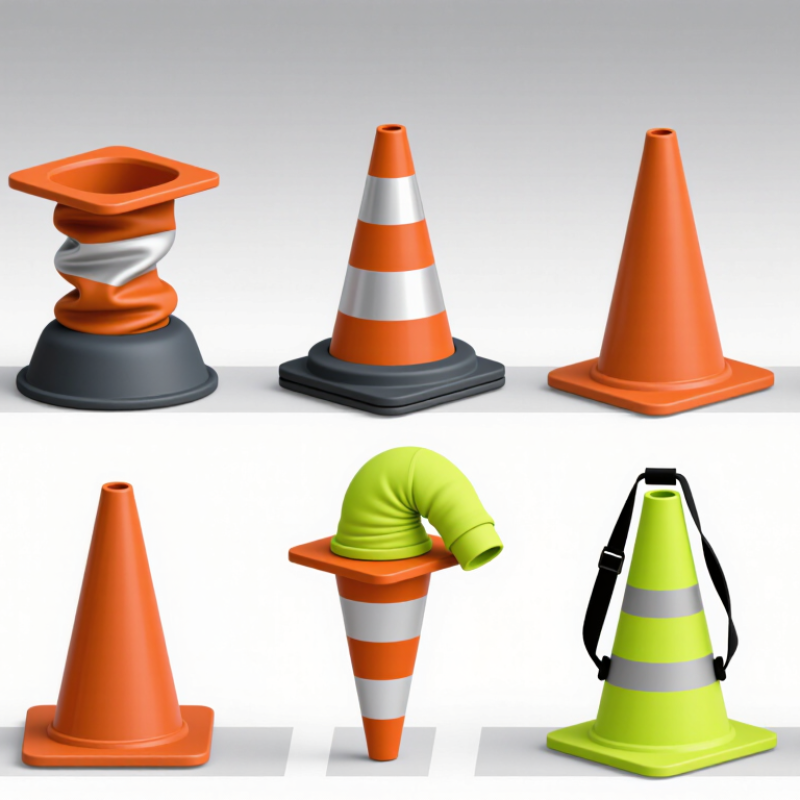
Top 10 Types of Traffic Cones for Global Buyers
Cone choice depends on handling, visibility, and the surface beneath the base. The Federal Highway Administration recorded 891 deaths in U.S. work-zone crashes in 2022. That figure does not prove cones prevent crashes, but it underscores the need for clear, visible traffic guidance. PVC cones suit routine roadside use and can carry reflective bands. Reflective PVC adds visibility in headlights. PE cones are lightweight for frequent handling; thicker-wall PE models feel sturdier. Rubber-base cones resist movement on exposed or uneven pavement. Recycled-rubber bases offer another material option, though weight and finish vary. Folding cones store flat in service vehicles. Telescopic folding models extend for quick deployment. LED-equipped cones add active light, while solar-powered LED versions reduce battery changes. Small details matter. A slippery base can still shift.
Tips: Check cone height, base grip, reflective area, and temperature range against the job site. FHWA’s 2023 Manual on Uniform Traffic Control Devices provides U.S. guidance for traffic-control devices; buyers should also check applicable local requirements. Test samples on wet pavement before ordering in bulk. LED units need charging or battery checks. Folding designs save space, but hinges may wear. That trade-off is easy to overlook.
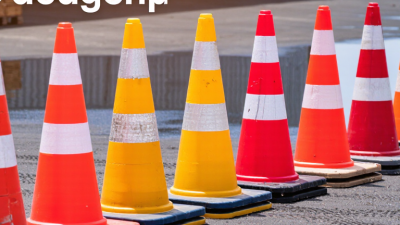
Traffic cones serve different jobs, and selecting by color alone is a weak shortcut. The Federal Highway Administration’s Work Zone Facts and Statistics reports 891 people killed in work-zone crashes in 2022. That figure makes visibility and placement practical concerns, not cosmetic details. For roadwork, buyers commonly compare standard tapered cones, taller lane-channelizing cones, reflective night-use cones, and weighted-base cones for exposed outdoor areas. A cone that looks sturdy in a catalog may still slide on dusty pavement.
Events need pedestrian-routing cones that are easy to reposition, while parking areas benefit from compact, stable cones that mark individual spaces. Emergency teams may prefer collapsible cones for quick deployment from a vehicle. They store neatly. Indoor sites often use lightweight cones around wet floors, maintenance work, or temporary access restrictions. Heavy-duty cones with larger bases can suit construction yards and other rougher environments. Water-filled traffic-control units are another option for larger outdoor boundaries, though transport and setup take more effort.
These ten use-based types are a buying framework, not a universal industry classification. Check height, base footprint, reflectivity, material, and storage needs against the actual surface and viewing distance. For example, a reflective sleeve can help at night, but it cannot compensate for a cone hidden behind parked vehicles. Event and indoor layouts also change quickly; that is easy to underestimate. Compare product specifications with the site’s traffic-control plan, and verify that the selected devices meet applicable local requirements.
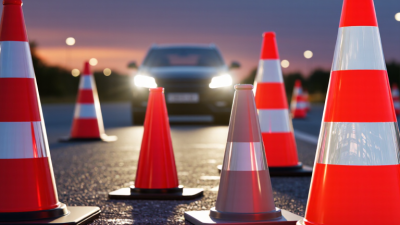
For global buyers, cone height and color are only part of the decision. Nighttime visibility matters just as much. Under the MUTCD, channelizing devices used at night must be retroreflective or appropriately illuminated. A cone that looks bright at noon may fade into a dark road after sunset. Headlights should reveal its outline early enough for drivers to respond. Reflective collars, clean surfaces, and stable bases all help in practical use. Details matter.
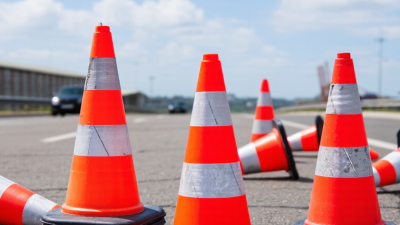
Tips: Check the cone’s reflective bands under vehicle headlights, not only in a warehouse. Look for peeling edges, dirt, and cracks. Replace damaged units promptly.
Different cone types suit different tasks, but the right choice depends on exposure, traffic speed, and placement. Taller cones can be easier to see near faster-moving traffic, while compact cones may suit short-term indoor or low-speed use. Follow the applicable MUTCD provisions and local project requirements; specifications can vary by application. Keep cones upright and space them consistently, so the intended path is clear. Even good reflective material cannot fix poor placement. I have seen buyers focus on unit price and overlook maintenance. That trade-off deserves a second look.
For global buyers, a traffic cone’s label is only the starting point. Ask for EN 13422 documentation tied to the exact model, height, and configuration you plan to order. Check that test reports identify the product clearly; a generic certificate may not cover every variation. Paper claims are easy. Verification takes more care. Also confirm that the specification suits the intended market and worksite.
Compare height and base weight together. Taller cones can be easier to see, but may need a heavier base in exposed locations. Request the cone’s total weight and base dimensions, not just a headline figure. Then consider handling: crews may need to lift, stack, and reposition dozens of units in one shift. A stable cone that is awkward to carry can slow setup. Small detail, real impact.
Durability depends on material, wall thickness, base design, and exposure to sunlight, cold, and repeated knocks. Ask how the cone performs after impact and whether its reflective bands remain attached and visible. If possible, inspect a sample after stacking and flexing it by hand. This is not a laboratory test, and a checklist cannot predict every site. Still, it can reveal weak seams, brittle plastic, or a base that rocks on flat ground.