SSI Traffic Solutions: Traffic Safety Products in USA and Canada
Traffic Safety Products in USA and Canada

Road cones are among the most familiar tools on a street, yet their role is easy to underestimate. A bright cone beside a lane closure gives drivers an immediate visual cue: slow down, keep space, and expect a change. At a work site, parking area, or roadside incident, that small signal can help separate moving traffic from workers, pedestrians, and equipment. It is simple. But not trivial.
The effectiveness of road cones depends on more than their color. Size, reflective bands, stability, spacing, and placement all affect how clearly people can see and understand them, especially at night, in rain, or around a bend. For example, a gradual line of cones can show a taper before a lane narrows. Traffic-control guidance and site conditions should inform their use; cones are not a substitute for trained planning, suitable signs, or barriers where stronger protection is needed. A cone can be knocked over, hidden behind a vehicle, or placed too late for a driver to react comfortably. That matters. In practical terms, crews should inspect cones, keep them visible, and arrange them to create a clear, predictable path rather than a confusing zigzag. The details may seem ordinary, and even experienced teams can miss one. This article examines why road cones remain essential to traffic safety, how they guide movement, and where their limits deserve careful thought. The goal is not to treat a cone as a complete safety system, but to understand how this modest tool contributes to one.
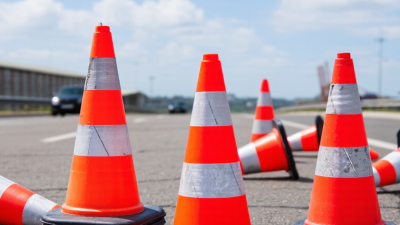
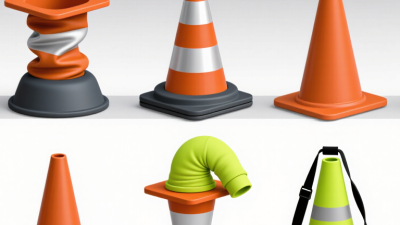
Road cones are portable markers that guide drivers, cyclists, and pedestrians around changing conditions. Most have a broad, weighted base and a tapered body that is easy to stack and move. Their bright orange color and reflective bands help them stand out in daylight and under headlights. Some designs use flexible plastic, allowing a cone to bend after a light impact rather than break immediately. That does not make it harmless. A displaced cone can still confuse road users.
The shape is practical, not decorative. A wide base helps resist wind and passing traffic, while the narrow top makes handling and storage easier. Reflective collars return light toward approaching drivers, especially at night or in rain. Material, height, and visibility vary by setting; a small cone may suit indoor work but be hard to notice beside a fast road. Real sites can be messy, and spacing is not always perfect.
Tips: Check that cones are upright, visible, and not hidden behind parked vehicles. Place them early enough to give people time to react, and inspect reflective surfaces for dirt or damage. If conditions change, adjust the layout rather than assuming the original line still works.
| Design feature | Typical form or specification | How it supports traffic safety |
|---|---|---|
| Purpose | A portable, temporary traffic-control device used to mark hazards, guide road users, or channel traffic. | Makes temporary changes to the roadway easier for drivers, cyclists, and pedestrians to recognize. |
| Shape | A tapered body, usually with a broad base and a narrower top. | The tall, simple silhouette is recognizable, while the broad base helps the cone stand upright. |
| Common heights | Common examples include 18, 28, and 36 inches (about 46, 71, and 91 cm); appropriate sizes depend on the setting and local requirements. | Larger cones are generally easier to see from farther away and are often used where traffic speeds or exposure are greater. |
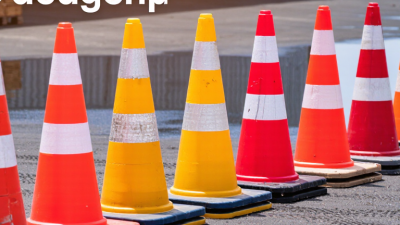
| Color | Fluorescent orange is widely used for temporary work zones; other colors may be used for specific purposes under local rules. | A conspicuous color contrasts with many road and work-site backgrounds during daylight. |
| Reflective bands | Many cones used in low-light conditions have white retroreflective bands; band count and placement vary by cone size and applicable standards. | Retroreflective material returns light from vehicle headlights toward its source, improving nighttime visibility. |
| Body material | Flexible plastics such as PVC or polyethylene are commonly used. | Flexibility helps many cones withstand handling and minor impacts without behaving like a rigid barrier. |
| Base | A broad, often weighted base; materials can include rubber or other durable compounds. | Added mass and a wide footprint help resist tipping from wind and passing vehicles. |
| Placement | Cones are arranged in a visible line or pattern to mark a work area, taper, lane closure, or temporary route. | Consistent spacing and clear alignment help road users understand where to slow down, merge, or keep clear. |
| Limitations | Cones are warning and channelizing devices, not physical barriers designed to stop vehicles. | They should be used as part of an appropriate traffic-control setup, with other measures where greater protection is needed. |
Specifications and permitted uses vary by jurisdiction, road type, and work-zone conditions.
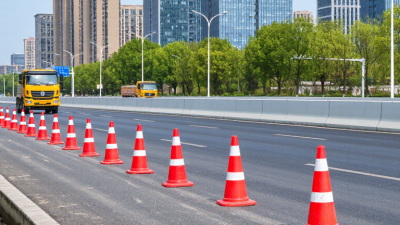
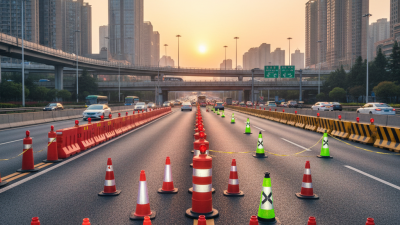
Road cones turn a changing street into a clearer path. Their bright color and repeated spacing help drivers notice lane shifts, temporary closures, and roadside work before reaching them. A gradual line of cones gives people time to ease off the accelerator and steer smoothly. A sudden cluster may do the opposite, leaving little room to react.
For pedestrians, cones can mark a safer route around a blocked sidewalk, an open work area, or equipment near a crossing. They are most useful when the path is obvious from a distance and remains wide enough for people to pass comfortably. At night or in rain, reflective bands can help cones stand out in headlights. Visibility matters.
Placement needs care. A cone that leans, sits behind a parked vehicle, or points people toward a busy driveway may create confusion rather than prevent it. Drivers should still watch for workers, signs, and people entering the road; cones cannot explain every change. Pedestrians also need to check for gaps and moving traffic. A tidy row is helpful, but not perfect. It can be easy to assume that everyone understands the same route, when a small change in cone spacing may leave someone unsure where to go.
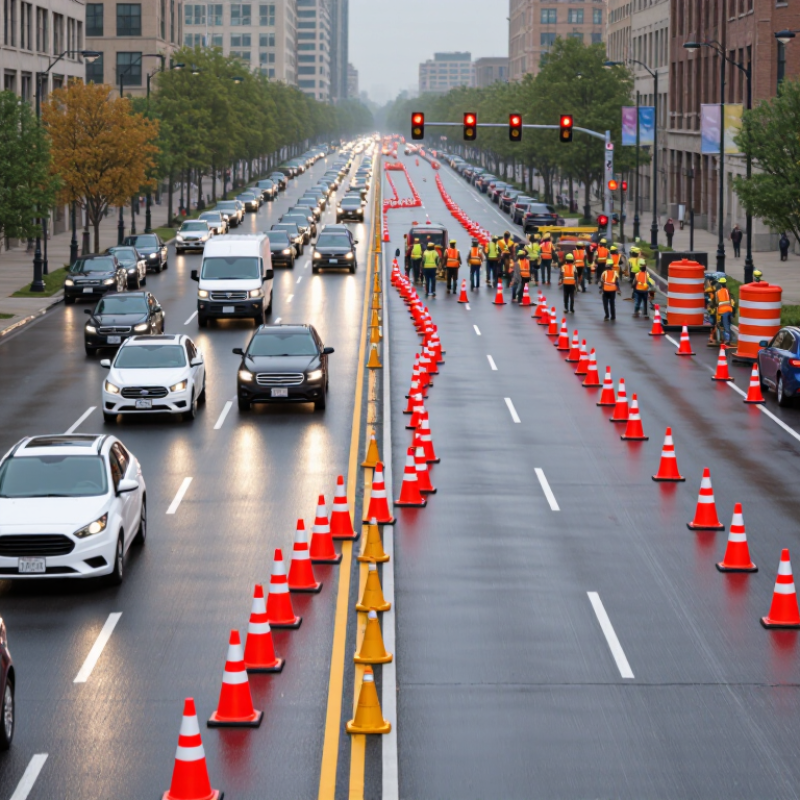
In a temporary traffic zone, road cones give drivers an early, visible cue that the familiar road layout has changed. They define a work area, narrow a lane, or guide vehicles around equipment and exposed workers. Bright colors and reflective bands help cones stand out in daylight and under headlights. Rain, glare, and dirt can still reduce visibility. That warning matters. An early view of the taper gives drivers more time to slow down. They can change lanes without braking beside a worker.
For crews, cones create a clear buffer between moving traffic and the work area. That space can help workers carry tools, inspect pavement, or guide equipment with fewer vehicles passing close by. Proper placement matters as much as the cones themselves. Crews should follow a site-specific traffic plan and use enough cones to make the route legible. They should check placements after impacts or strong wind. One cone knocked sideways can confuse drivers or open an unintended path. Still, cones are not a physical shield. They cannot stop every vehicle from entering a work zone. Pairing them with suitable barriers, warning signs, lighting, and trained spotters can add protection when conditions require it. A careful setup still needs monitoring, because traffic changes and a cone can move between checks.
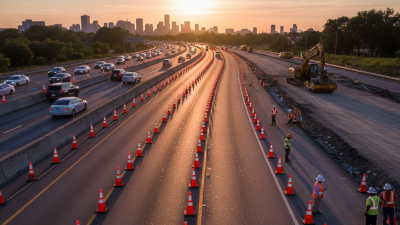
Road cones are most useful when they make a changing road layout easy to read before drivers reach it. Crews place them upstream of work, where motorists can see the warning and respond safely. A gradual taper guides vehicles away from a closed lane; cones set too abruptly can prompt sudden braking. Spacing matters. On a straight, well-lit street, cones may be farther apart than on a bend, crest, or rainy night. The layout should follow the approved traffic-control plan and suit conditions at the site.
At work zones, cones can mark lane closures, shoulder repairs, utility access, and temporary pedestrian routes. They should form a clear, continuous boundary, with extra care near driveways, intersections, and bus stops. Reflective bands improve visibility after dark, while larger devices may be needed on faster roads or in poor visibility. Workers should inspect the line after placement. Traffic, wind, or nearby work can shift a cone and leave a gap.
Cone placement is not one-size-fits-all. Spacing and taper depend on road speed, sight distance, traffic volume, and the work-zone plan. A supervisor should check the approach from a driver’s viewpoint, not only from beside the cones. A row can look tidy on foot yet seem confusing through a windshield. That perspective check may reveal a blocked sign, a blind spot, or a pedestrian route that ends abruptly.
Cone visibility depends on contrast, height, condition, and light. Bright orange stands out against gray pavement, but it can blend into construction equipment or autumn leaves. At dusk, drivers may notice a cone too late if its reflective bands are dirty, worn, or poorly angled toward headlights. Small details matter.
Weather can quickly change a cone’s effectiveness. Rain creates glare on asphalt, while fog reduces contrast and shortens the distance at which drivers can recognize hazards. Dust and road grime dull reflective surfaces; a quick visual check can catch this, though it is easy to overlook during a busy shift. Wind also matters: lightweight cones may tip or shift, changing the intended path of traffic. Placement and spacing should give drivers enough time to react, based on road conditions and vehicle speeds.
A cone works best as part of a clear, consistent layout, not as a stand-alone warning. Sudden gaps or crowded arrangements can confuse drivers, even when every cone is bright. Taller cones may be easier to see around parked vehicles, but height alone cannot solve poor placement or blocked sightlines. Visibility is never guaranteed; checking from a driver’s approach can reveal problems that are hard to spot from the roadside.