SSI Traffic Solutions: Traffic Safety Products in USA and Canada
Traffic Safety Products in USA and Canada

Choosing safety cones for 2026 is less about finding one universally “best” model and more about matching a cone to its setting. A short cone beside a warehouse aisle faces different demands from a tall cone on a windy roadside. Visibility, stability, durability, and ease of handling all matter. Small details matter.
This guide compares features buyers should check before choosing: height, base weight, reflective collars, material, and performance in heat, rain, and low light. Bright colors can attract attention during the day, while reflective bands help headlights reveal cones after dusk. In busy work zones, stackability and a base that resists tipping can save time and reduce resets. A cone that looks sturdy in a showroom may slide on polished concrete or lean on uneven gravel. Still, no cone replaces a clear layout, regular inspection, or trained workers.
The best choice depends on the risk, surface, traffic speed, storage limits, and how often cones move. Product specifications help, but real conditions may reveal weaknesses that a catalog photo hides. That is worth remembering. The sections ahead explain which cone types suit common jobs, what trade-offs to expect, and how to assess quality without relying on marketing claims alone. Use them as a practical starting point, then confirm that the product fits your site and applicable guidance.
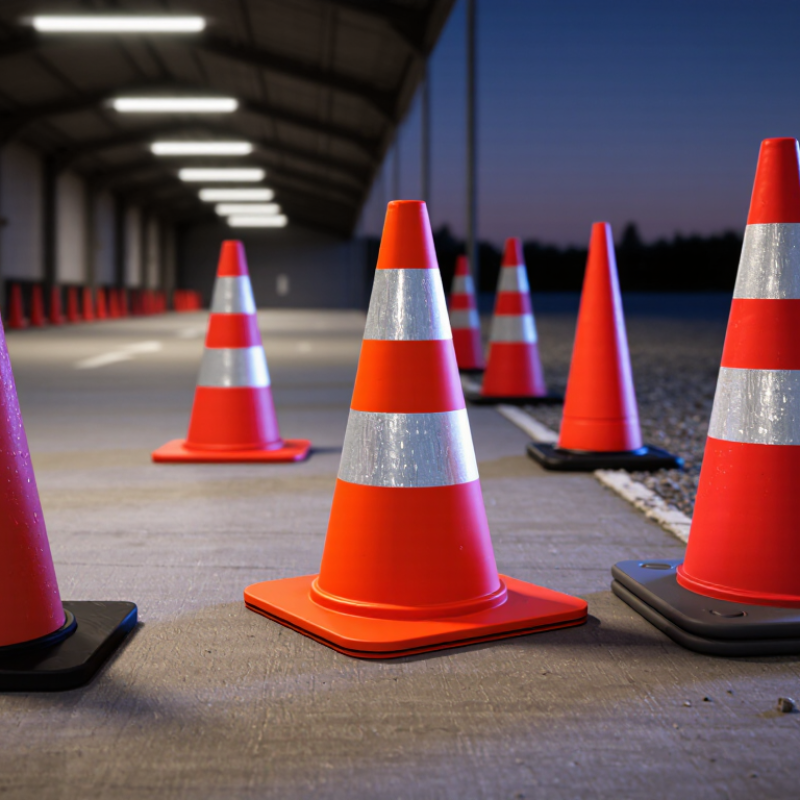
Safety cones are portable markers that make a change in space easier to notice. They help guide people around hazards, work areas, temporary closures, and equipment. You will see them on roads, in car parks, warehouses, school grounds, and event spaces. Their purpose is simple: make an edge, route, or warning visible before someone reaches it.
The right cone depends on where it will be used. A lightweight cone may suit a quiet indoor floor, while outdoor traffic areas often need a heavier base and reflective bands. Height, color, and visibility matter, especially in rain, dusk, or busy surroundings. A scuffed cone can still stand upright, but its warning may be harder to see. That detail is easy to overlook.
Cones can mark a spill, direct a queue, or separate people from moving equipment. Place them where they can be seen early, not directly beside the hazard. Follow the site’s safety plan and local requirements for spacing and visibility. Cones are not physical barriers, and they cannot stop a vehicle or prevent entry by themselves. I used to think more cones always meant a safer area; sometimes they just create clutter. Clear placement matters more.
An effective safety cone must be easy to see, stable in wind, and suited to its setting. The Federal Highway Administration’s 2022 work-zone data recorded 891 traffic fatalities. Cones cannot prevent every crash, but clear visibility and consistent spacing help drivers read a work area sooner. Look for vivid orange bodies, broad reflective bands, and surfaces that remain visible in headlight glare.
The 11th edition of the Manual on Uniform Traffic Control Devices specifies minimum cone heights of 18 inches for general use and 28 inches on high-speed roads. Always check local requirements and site conditions.
Stability matters. A wide, weighted base can reduce tipping near passing trucks, while flexible material may withstand routine knocks without cracking. For crews, stackable designs and easy-grip tops make setup and retrieval less awkward. Reflective collars should be firmly attached; peeling tape is a small defect with an outsized effect. No cone is a substitute for a well-planned traffic-control layout.
Tips: Before each shift, check for fading, cracks, loose bands, and dirt. Place a sample cone at the approach and inspect it from a driver’s viewpoint. A cone that looks bright in the yard may disappear in rain. That is easy to overlook.
Choosing a safety cone starts with the setting, not its color. A short indoor lane may need compact cones, while roadside work benefits from taller, heavier designs. Lightweight plastic cones are easy to carry and stack. In wind, though, a light cone can tip or slide. Details matter.
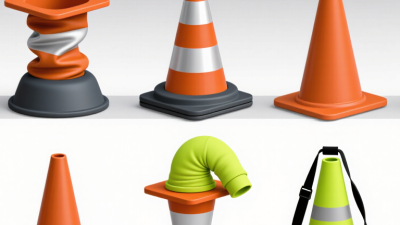
Flexible PVC cones can bend after minor impacts, while rubber bases add stability on uneven pavement. Collapsible cones save space in a service vehicle, but their hinges and fabric need regular checks. No material solves every problem. A cracked cone or loose base can undermine an otherwise sensible setup.
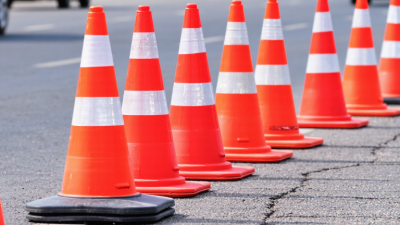
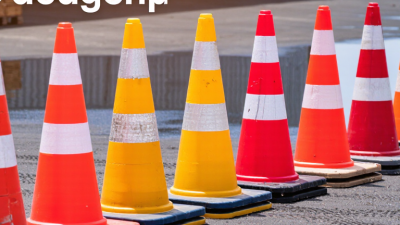
Visibility depends on more than bright orange plastic. Broad reflective bands help headlights outline a cone at night, while fluorescent surfaces stand out in daylight. Check that bands remain clean, unpeeled, and visible from the approach direction. For dim sites, reflective cones may still need support from work-area lighting; a shiny strip cannot illuminate a dark road. Color also fades, sometimes gradually enough to go unnoticed. It is easy to focus on height and overlook condition. Compare cone height, base weight, material, and reflectivity against actual site conditions, then inspect the cones after use.
| Cone type | Typical construction | Visibility | Stability and portability | Best suited for | Main trade-off |
|---|---|---|---|---|---|
| One-piece traffic cone | Flexible PVC or polyethylene (PE), usually molded as one piece | Bright fluorescent orange is conspicuous in daylight; reflective bands can improve visibility when illuminated at night | Lightweight and easy to move; stability depends on cone size, base design, and exposure to wind | Short-duration work zones, parking areas, and general traffic guidance | Lighter models can tip or shift in wind or passing traffic |
| Cone with a weighted base | Flexible PVC or PE body attached to a heavier rubber or recycled-rubber base | Typically available in high-visibility orange, with optional reflective bands | Heavier base generally improves resistance to movement; less convenient to carry in large quantities | Longer work periods, exposed areas, and locations where cones are frequently disturbed | Greater weight and bulk make transport and storage less convenient |
| Collapsible cone | Folding fabric or flexible polymer body, often with a spring frame and compact base | Many models use fluorescent fabric and reflective bands; visibility depends on size, condition, and lighting | Very compact for storage; generally lighter and less robust than a full-size rigid cone | Vehicle emergency kits, indoor maintenance, and tasks requiring compact storage | Not usually the first choice for extended outdoor use or high-wind locations |
| Tall roadwork cone | Typically a larger flexible-plastic body, often with a broad or weighted base | Greater height can make the cone easier to see over some obstructions; reflective bands support nighttime visibility when headlights strike them | More substantial than compact cones, but takes more room to store and deploy | Road work and larger outdoor work zones, subject to local requirements | Size, weight, and required specifications may not suit small indoor areas |
| Flexible impact-resistant cone | Flexible PVC or PE designed to bend under impact and return toward its shape | Fluorescent coloring aids daytime conspicuity; reflective bands may be specified for nighttime use | Flexible construction can tolerate incidental knocks; performance varies by design and temperature | Busy parking areas, facilities, and locations with frequent low-speed contact | No cone should be treated as a physical barrier or relied on to stop a vehicle |
Selection note: Choose cone height, color, reflective treatment, and placement according to the task and applicable local standards. Reflective bands work by returning light toward its source and do not provide their own illumination.
Choosing a safety cone starts with the setting, not the color. On fast roads, height and visibility matter because drivers have little time to react. FHWA’s 11th-edition MUTCD sets a minimum height of 28 inches for cones on freeways, expressways, and other high-speed roads. It also calls for retroreflective bands when cones are used at night. Check the roadway conditions and applicable requirements before selecting a size. A bright cone can still disappear behind a truck.
For a warehouse aisle or loading bay, shorter cones may be easier to move and store. Choose a stable base that resists bumps from carts, and avoid surfaces that could scratch indoor floors. Outdoors, wind and uneven pavement make base weight more important; test the setup where it will actually stand. At night or in rain, reflective bands and clean surfaces help preserve visibility. Small details matter. NHTSA recorded 891 deaths in work-zone traffic crashes in 2022, underscoring why clear separation deserves care. That figure does not measure cone performance, though. I would not assume one cone works equally well beside a highway, across a wet parking lot, and inside a busy facility.
Reliable cones need regular attention, not just a suitable height and bright color. Before each use, check for cracks, splits, loose collars, and bases that wobble on flat ground. Look closely. A cone can appear intact while its reflective bands are peeling or dulled by dirt. Clean it with mild soap and water, then let it dry before returning it to storage. If visibility matters at night, check the reflective material under a light; a quick daytime glance may miss damage.
Store cones upright or nested loosely in a dry, shaded area. Keep heavy equipment off them. Heat and sunlight can warp plastic, while tight stacking may leave cones misshapen. Make sure the storage space does not block exits or create a trip hazard. I would not assume a cone is ready just because it came from a familiar storage spot; check it again when conditions have changed.
Replace cones that are brittle, badly faded, unstable, or split at the base. Peeling reflective bands and persistent deformation are also warning signs. A repair may hold briefly, but it can hide damage rather than restore reliable visibility. Keep a simple inspection log with dates and notes, especially for cones used often or exposed to harsh weather. There is no universal replacement interval: wear depends on handling, climate, and use. When damage is hard to judge, err on the side of replacement.