SSI Traffic Solutions: Traffic Safety Products in USA and Canada
Traffic Safety Products in USA and Canada

Choosing construction cones in 2026 means matching the product to the work, the site, and the conditions. A cone beside a quiet warehouse aisle has different demands from one near a fast-moving road. Height, base weight, reflective collars, material, and storage space all matter. So does the ground beneath it. A light base may shift on uneven pavement or in strong wind. A heavy one can be awkward to move all day.
Visibility researcher Dr. John D. Bullough has studied how people see traffic-control devices. A practical buying principle drawn from that work is: “Choose for visibility in the actual scene, not just on the product sheet.” This is a paraphrase, not a direct quotation. It points buyers toward useful checks: view the cone at a distance, inspect its reflective bands, and consider headlights, shade, and nighttime work. Small details count.
This guide compares common options, including standard PVC cones, rubber-base models, collapsible cones, and LED-equipped designs. Each has trade-offs. Some stack neatly; others offer more stability. Some are easy to carry but less suited to exposed sites. There is no perfect cone. Even experienced buyers can overlook storage or cleaning until the first busy week. Regional specifications also vary, so confirm applicable requirements before ordering. The right choice is practical, visible, and suited to the job—not merely the cheapest item in the catalog.
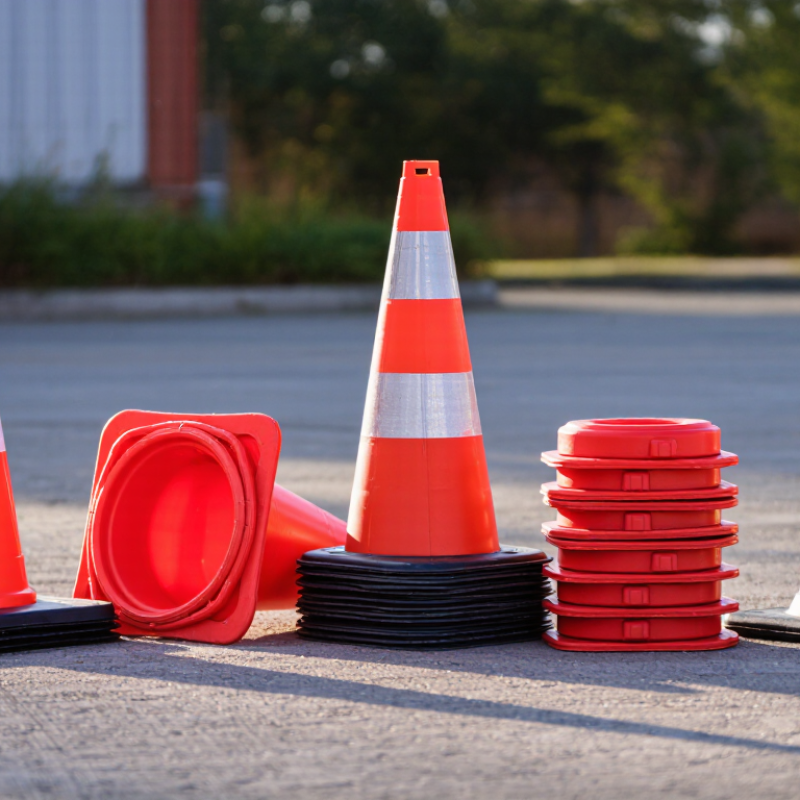
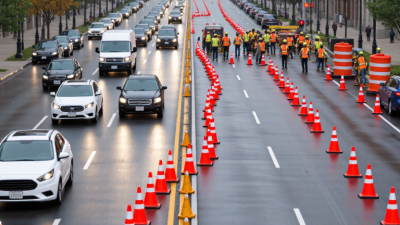
Construction cone buyers usually fall into three groups: short-duration crews, highway contractors, and pedestrian-route teams. Short jobs may need lightweight cones that workers can carry and reset quickly. Highway work calls for taller cones with reflective bands, while pedestrian routes often need stable bases and clear spacing.
Not just color. Match cone height, visibility, and base weight to the road, weather, and work duration. A cone that tips in a gust can leave a gap precisely where drivers need guidance.
For U.S. projects, the FHWA’s 11th Edition MUTCD provides the national baseline for temporary traffic control. Section 6F.65 specifies cones at least 18 inches high; cones on freeways and other high-speed highways must be at least 28 inches high. Nighttime use also calls for retroreflective bands.
Check project plans and local requirements before ordering, since site conditions can demand more than the baseline. FHWA’s 2022 work-zone data recorded 891 fatalities, a stark reminder that channelizing devices are part of a larger safety plan, not a guarantee.
One purchasing mistake is judging only by a catalog photo; inspect reflective material and base fit before approving a bulk order. The details matter.
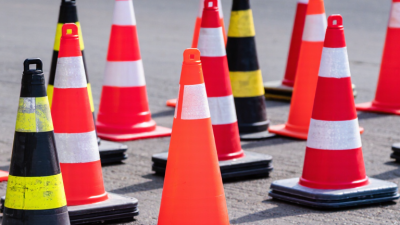
Standard traffic cones are not one-size-fits-all; height should match roadway speed and exposure. The Federal Highway Administration’s 11th Edition MUTCD, Part 6F, sets the baseline. Use at least 18 inches on roads below 45 mph, and 28 inches at 45 mph or above. These are minimum dimensions, not guarantees of visibility.
FHWA’s Work Zone Facts and Statistics reports 891 work-zone fatalities in 2022. That figure makes cone selection a practical safety decision, not a purchasing detail. On a wet evening, a short cone can vanish behind spray, headlights, and queued vehicles. Check the base and reflective bands, too: a damaged base may wobble, while dirty or peeling bands can reduce nighttime conspicuity.
Tips: Check the posted speed, then choose cones that meet the matching height minimum. Inspect bases for cracks and reflective collars for peeling or dirt. Place cones on firm pavement, with spacing and taper set by the approved traffic-control plan. Don’t assume a taller cone fixes poor placement. Recheck the line from an approaching driver’s view; small gaps are easy to miss.
MUTCD minimum heights vary by roadway context. Cones must be at least 18 inches tall, with a 28-inch minimum on freeways and other high-speed highways.
Source: Manual on Uniform Traffic Control Devices (MUTCD), provisions for traffic cones. Heights shown are minimums.
2026 Top Types of Construction Cones for Buyers
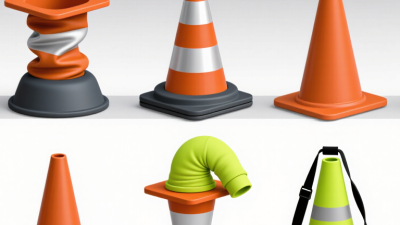
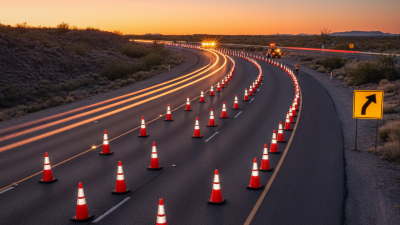
Specialty cones solve different problems. Collapsible cones fold flat, making them useful in service vehicles with limited storage. Their hinges and reflective panels need regular inspection; a bent frame can leave the cone leaning or less visible. Weighted-base designs stay steadier on exposed pavement, but heavier bases take longer to move. Match the base to the surface and expected wind, then check that it fits the cone securely. Reflective designs improve visibility after dusk. The FHWA’s 2022 work-zone statistics recorded 891 work-zone crash deaths in the United States. That figure does not measure cone performance, but it shows why visibility deserves careful attention. The MUTCD requires traffic cones used at night to be retroreflectorized.
Tips: Before buying, test one cone in its actual setting. Check how quickly it opens, whether the base wobbles, and how brightly its bands catch headlights. Keep the awkward part in mind: reflective material can look bright in a warehouse yet be difficult to see when dirty, wet, or poorly aimed. Set a simple cleaning and inspection routine, and replace damaged reflective bands rather than relying on appearance alone.
Cone material and base weight shape how a cone performs on site. PVC often offers useful flexibility and clear visibility, but cold weather can make some formulations less forgiving. Polyethylene is light and resists impacts well; UV exposure and heat performance depend on the grade. Rubber bases add weight and grip, helping cones stay put in breezy areas. The trade-off is extra effort when crews move or stack them.
Small details matter.
Tips: Check the complete cone, not just its body. Test it on the actual surface, including damp pavement, and confirm the base sits flat. A light cone may be easy to carry but easier to displace.
Match materials to daily handling and site conditions. For frequent repositioning, a lighter polyethylene body with a stable base may reduce lifting fatigue. For exposed locations, a heavier rubber base can improve stability, though it will not prevent every tip-over. Inspect edges, cracks, and base fit during routine checks. Reflective collars should remain clean and firmly attached. One imperfect shortcut is choosing by material name alone; thickness, shape, and workmanship also affect durability. Compare samples side by side, then consider storage space and transport weight before ordering.
A construction cone should match the work zone, not just the purchase list. Lightweight cones can suit indoor maintenance or brief parking-lot work, while heavier bases help resist movement in breezy areas. Taller cones are easier to notice near moving traffic, but they may be awkward in tight spaces. At dusk or in poor weather, reflective bands can improve visibility when headlights reach them. Check the project plan and applicable local requirements for cone height, color, and reflective details.
Durability matters when cones are moved, stacked, and exposed to sun or cold. Flexible plastic can tolerate knocks, while a sturdy base helps keep the cone upright on uneven pavement. Inspect seams, bands, and base connections before buying in bulk; a cone that looks solid on a shelf may wear quickly outdoors. One overlooked detail is storage: cones that nest neatly can save space, though tight stacking may scuff reflective surfaces. Small details matter.
Tips: Test one cone in the actual work area before ordering a full set. Check visibility from a driver’s approach, then confirm the base stays stable on the surface. A quick field check can reveal what a catalog photo cannot.